


Writing Great Villains: Why They Shouldn't Be Sympathetic
Writing great villains is about striking a balance between charming and evil, so we love them but also love to see them lose.
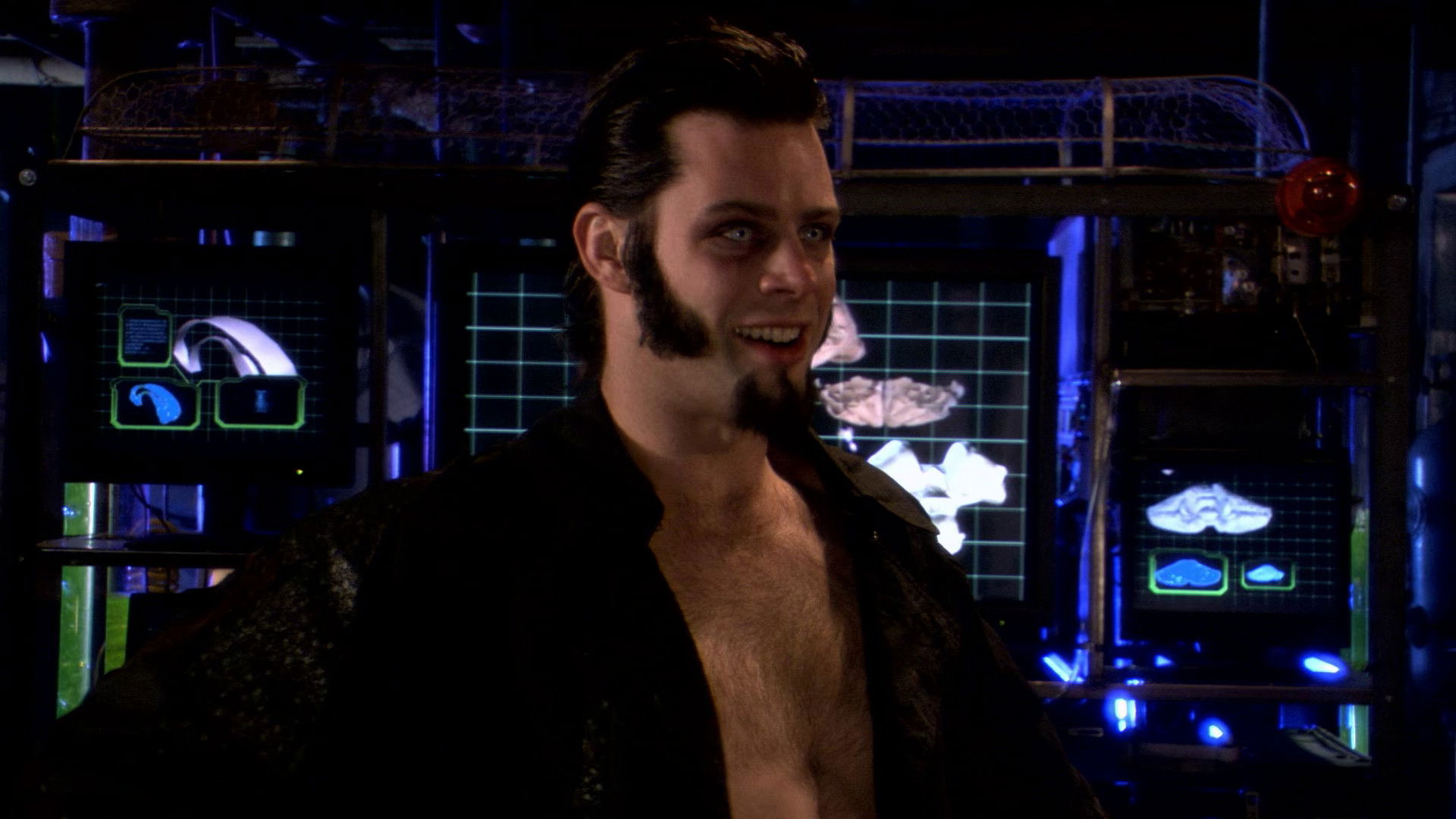
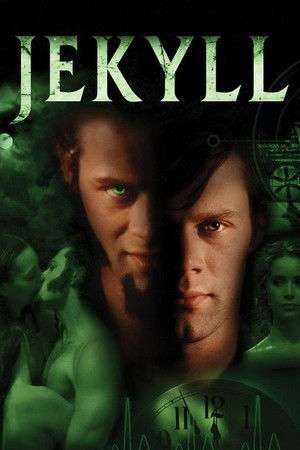


When Dr. Jekyll creates his alter-ego avatar and then downloads him directly into his brain, he turns into a psychopathic, hedonistic, ultra-violent party animal. Will he abandon his girlfriend in favor of the sexy stripper? How many bodies will he leave in his wake? Will his best friends be among them? Can Dr. Jekyll regain control and get his life back?
Writing great villains is about striking a balance between charming and evil, so we love them but also love to see them lose.
I hadn’t heard of it either until recently—and yet, it’s one of the highest grossing movies of all time.
Though often underwhelming as a whole, Nevertheless is worth the watch because of the relationship between Sol and Jiwan. It is a stunning, refreshing take on the friends to lovers trope that LGBTQ media has been missing.
Mahershala Ali and Naomie Harris, with an economy of language, but a world of expression, weave us inside this futuristic tale of how your “one true love” may exist in the future in Benjamin Cleary's 'Swan Song.'
My Beautiful Laundrette is often referenced as a positive LGBTQIA+ film because our two main characters are in a homosexual relationship with no shame, fear of violence or criticism. The struggle is not their sexuality. It is the treatment of the Pakistani citizens in England.