Are We Going to the Back of The Net?
The importance of trying new things and teamwork are two life lessons explored in this family-friendly sports film.
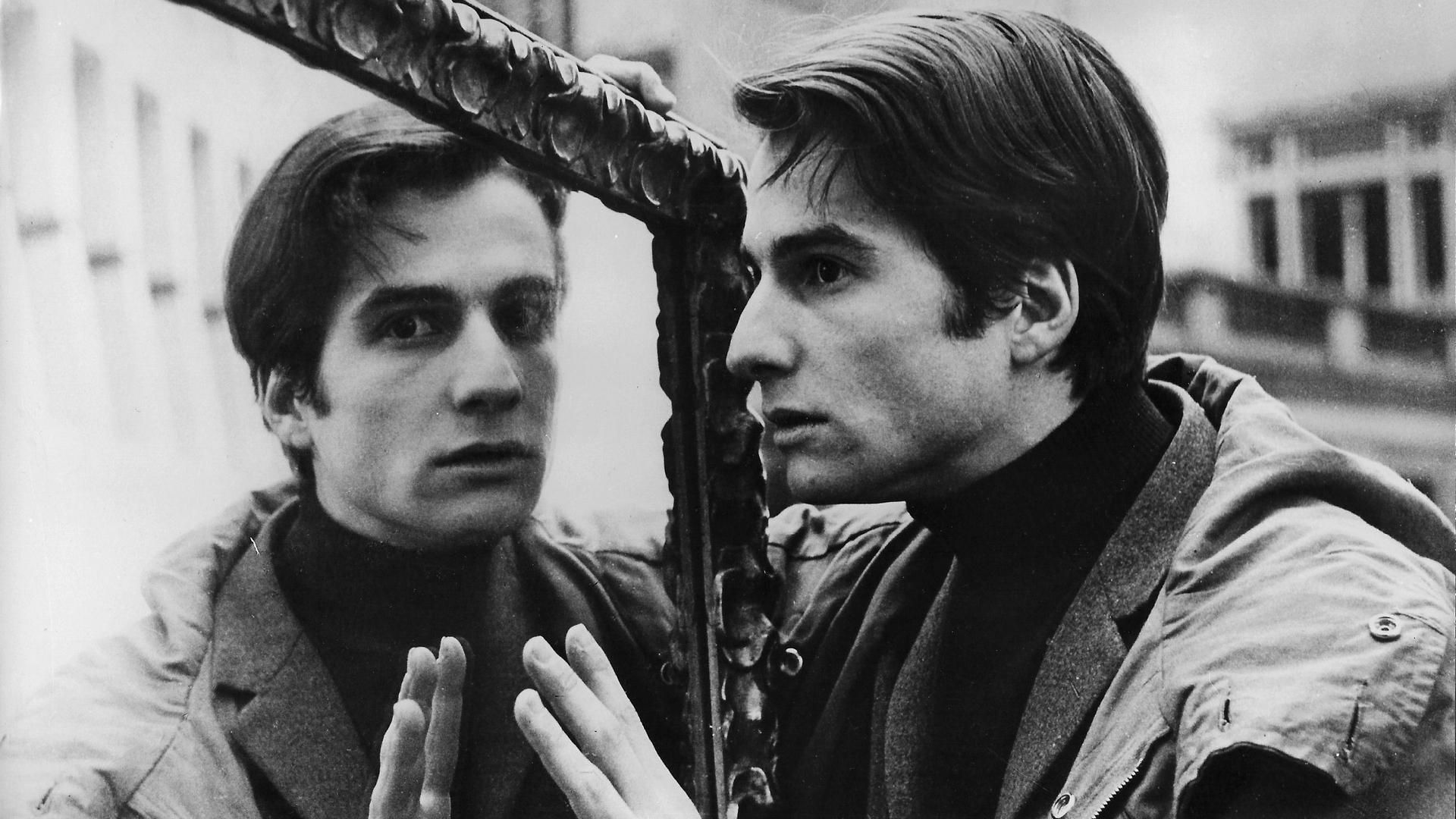
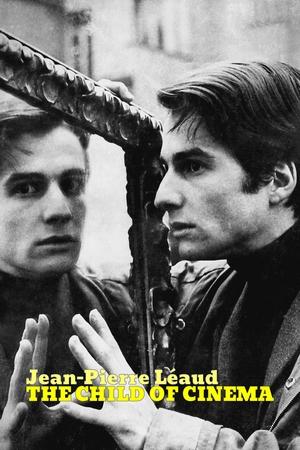


A portrait of the legendary actor Jean-Pierre Léaud, icon of the French New Wave and closely linked to the work of François Truffaut and Jean-Luc Goddard.

Cyril Leuthy
Director
Cyril Leuthy
Narrator (voice)
Olivier Martinaud
Narrator (voice)

Noémie Lvovsky
Self - Actress
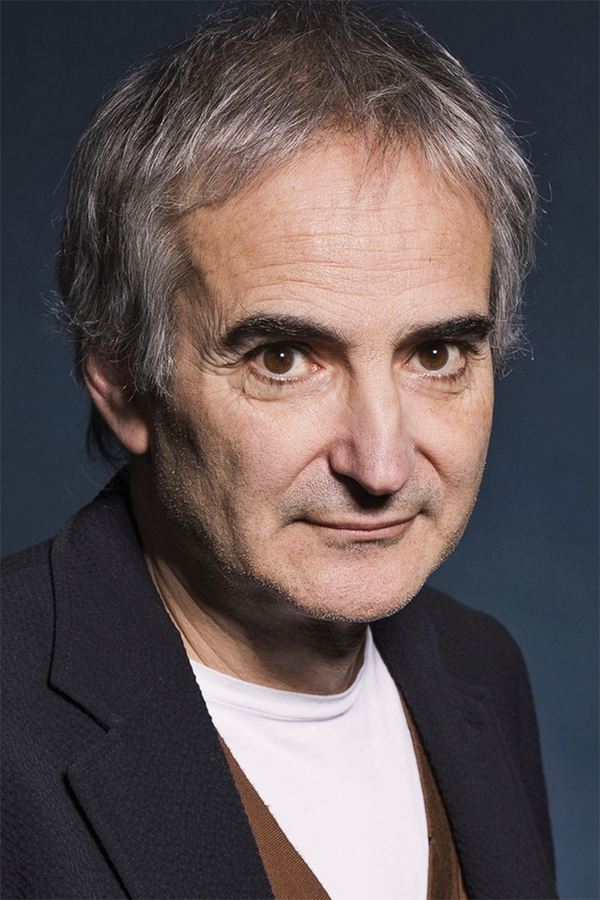
Olivier Assayas
Self - Filmmaker

Macha Méril
Self - Actress
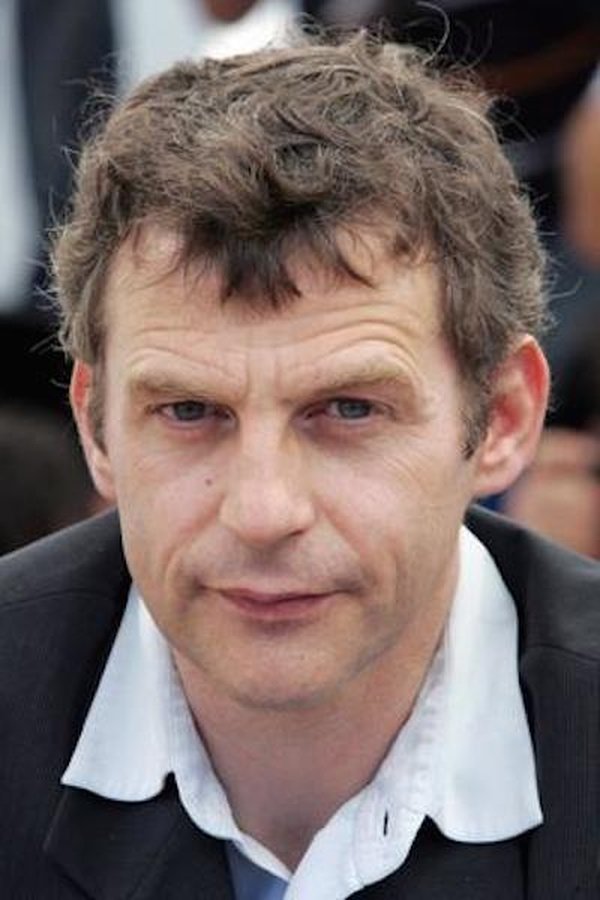
Lucas Belvaux
Self - Filmmaker

Chantal Goya
Self - Actress

Nathalie Baye
Self - Actress
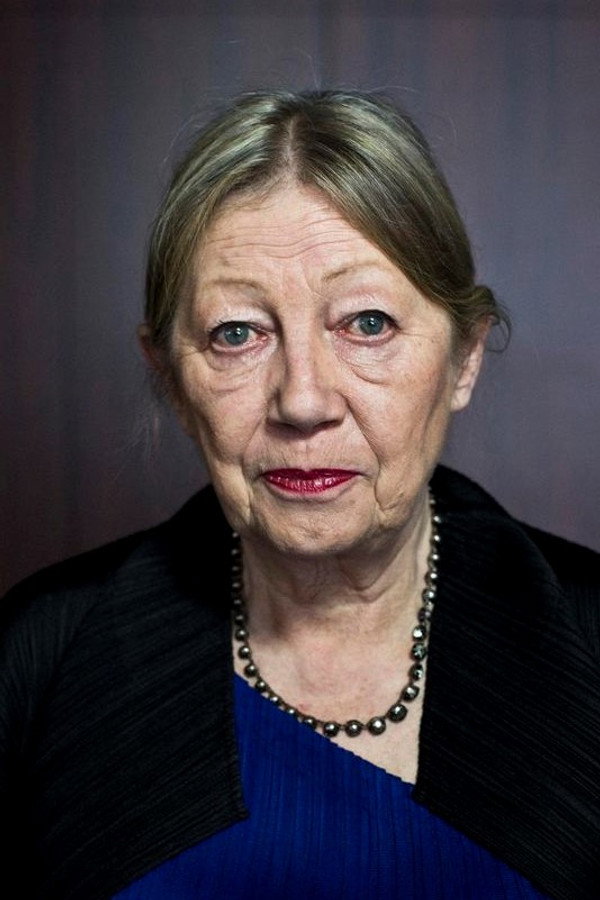
Françoise Lebrun
Self - Actress
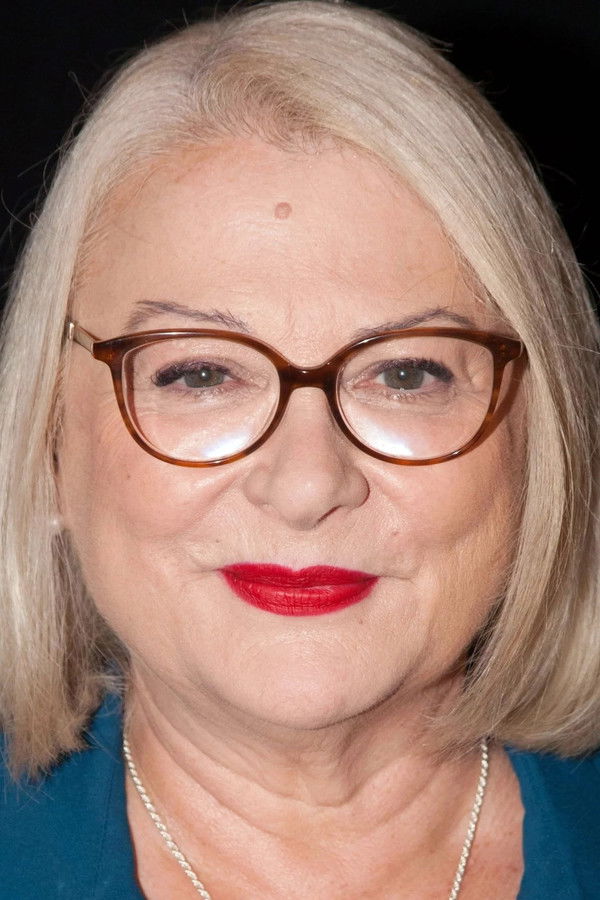
Josiane Balasko
Self - Actress
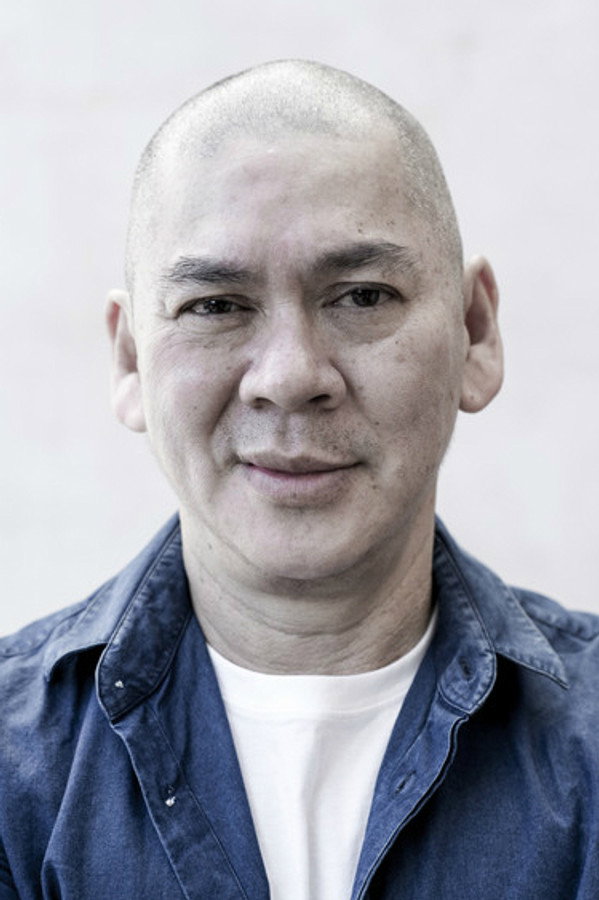
Tsai Ming-liang
Self - Filmmaker
The importance of trying new things and teamwork are two life lessons explored in this family-friendly sports film.
A movie that brings Indian culture with classic Bollywood themes and electronic dance music.
Even after a history changing event, the 93rd Oscars proved it always had the space for more inclusivity in its award ceremony. But it this enough to change the boycott?
WandaVision is already proving to be a huge success.
Fire Island is the more inclusive film of the two with the bi-phobic definition of pansexuality in The Thing About Harry and its obvious lack of colour on screen