

"Antebellum"
A successful author’s life is upended when she finds herself on a plantation straight out of the antebellum south.



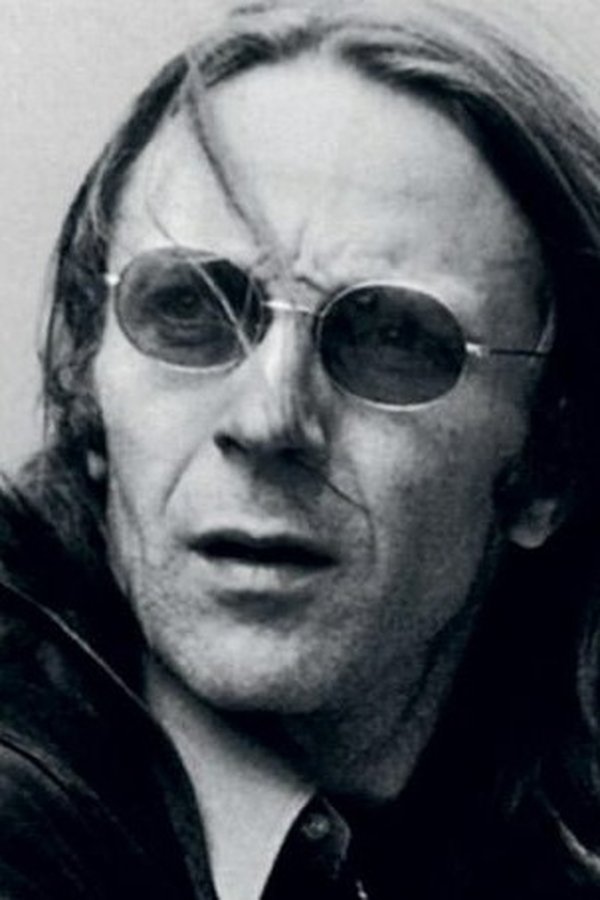
Ángel Díaz’s documentary The Lost Sorrows of Jean Eustache, concentrates on Eustache as cinematic thinker and archivist of his own life. Actors read texts written by Eustache, including the following reflection: “The role of the author in cinema should be one of non-intervention.” This sentence reminds us that he belongs to the greatest of film traditions (he cites Griffith, Renoir, Dreyer, and Lang as his models), the one that sees cinema as a matter of placing the camera in front of reality and capturing it ardently, precisely, and without tricks.
A successful author’s life is upended when she finds herself on a plantation straight out of the antebellum south.
The film's storylines read as allegories for the queer experience and that's a source of solace for LGBTQIA+ fans!
It's good for your film viewing needs, but isn’t going to shake your world. Demonic is trippy sci-fi fun, and that’s about it. And that's pretty cool.
A dynamic journey of self-acceptance and identity.
This film’s ambition is betrayed by its lack of substance.
Stand and Deliver is an inspirational classic from 1988 starring Edward James Olmos as Jaime Escalante, and his class of rag tag students in East Los Angeles. It’s the story of how a new teacher shows a motley group of students in the inner city with backgrounds as gang members, dishwashers, and mechanics — the power of self-determination. He teaches the teenagers to believe in themselves through algebra and calculus.