"Waves" Goes the Wrong Direction in Racial Depiction, Despite Its Intent and Beauty
Spoiler Warning
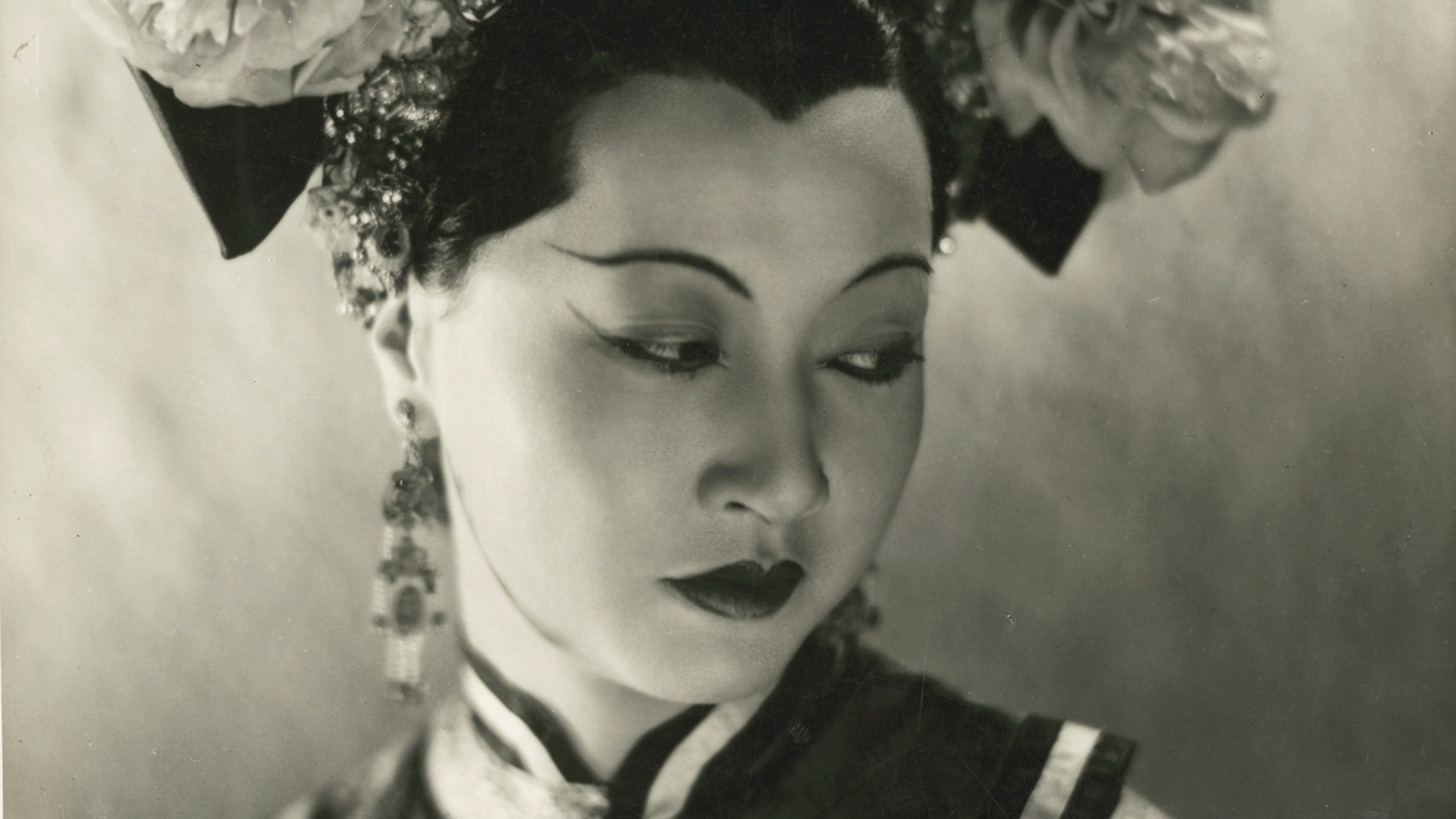
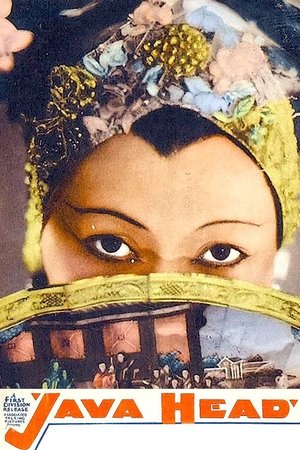


The port city of Bristol, England, in the 1800s is home to Java Head, a sailing ship line company. The owner has two sons. One, a handsome seafarer, is in love with a local girl, but cannot marry her due to a long-running feud between their fathers. After a lengthy voyage, he returns with a very exotic, noble Chinese wife, which scandalizes the conservative town. His other son, a "landlubber", seeks to convert to steamships, to the disgust of his father. Even worse, he is secretly dealing in contraband.

Thorold Dickinson, J. Walter Ruben
Director

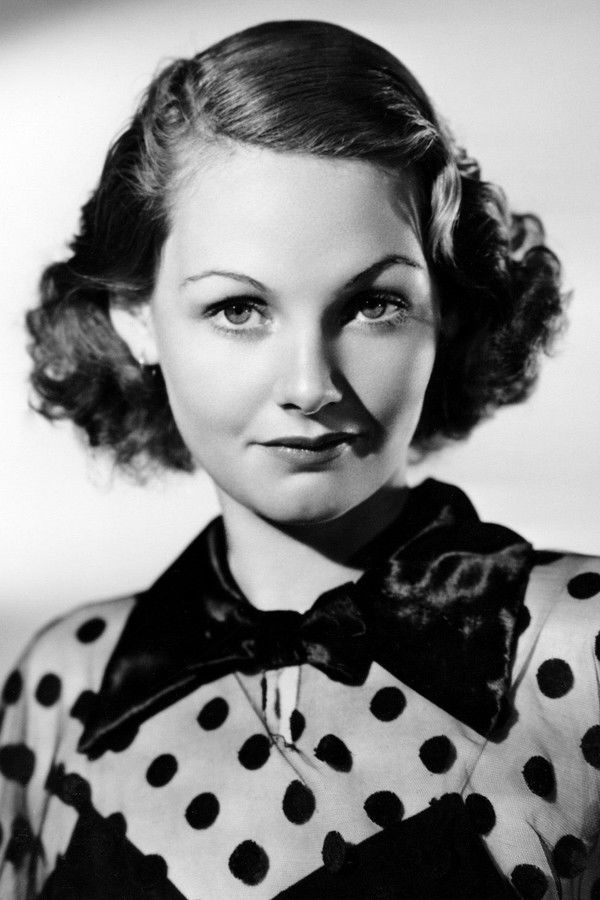
Elizabeth Allan
Nettie Vollar

Anna May Wong
Princess Taou Yuen
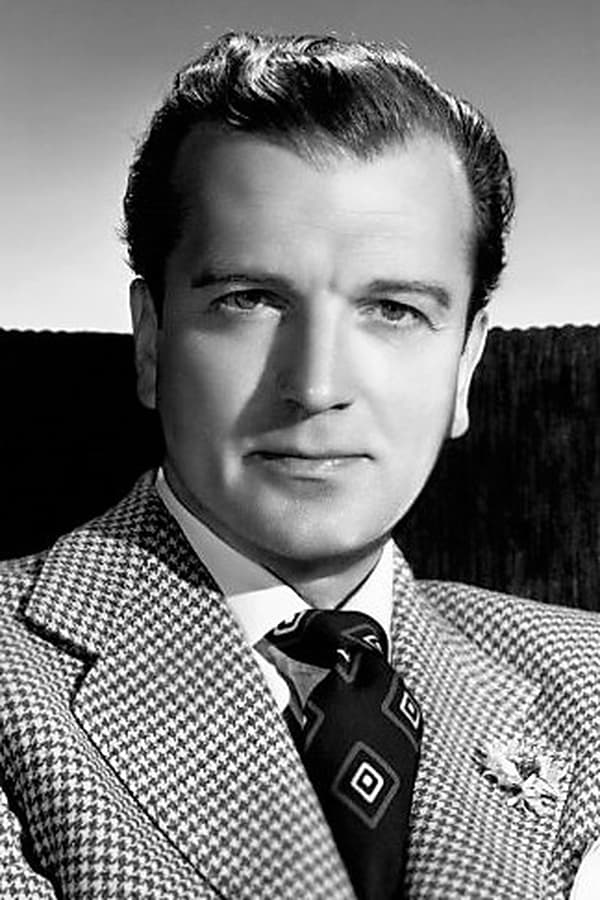
John Loder
Gerrit Ammidon
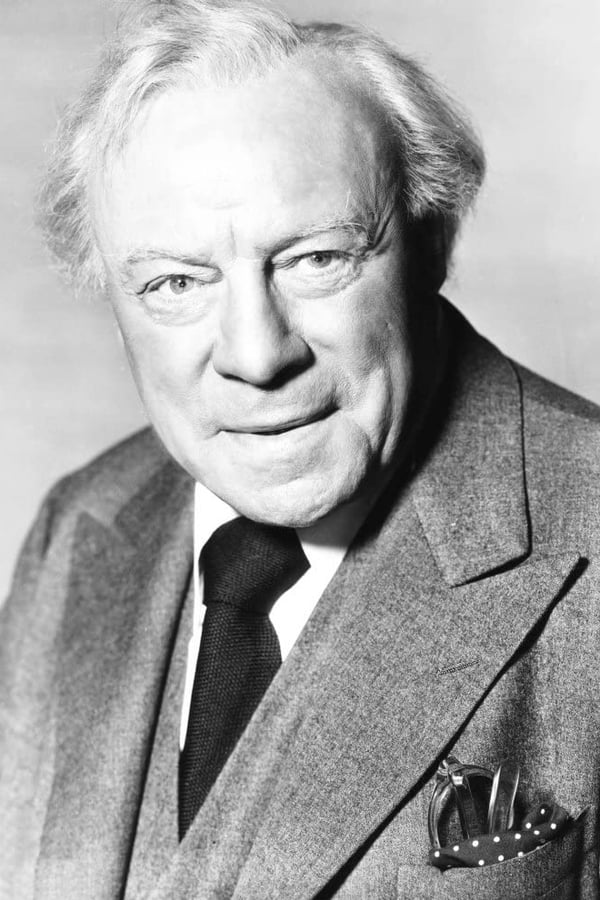
Edmund Gwenn
Jeremy Ammidon
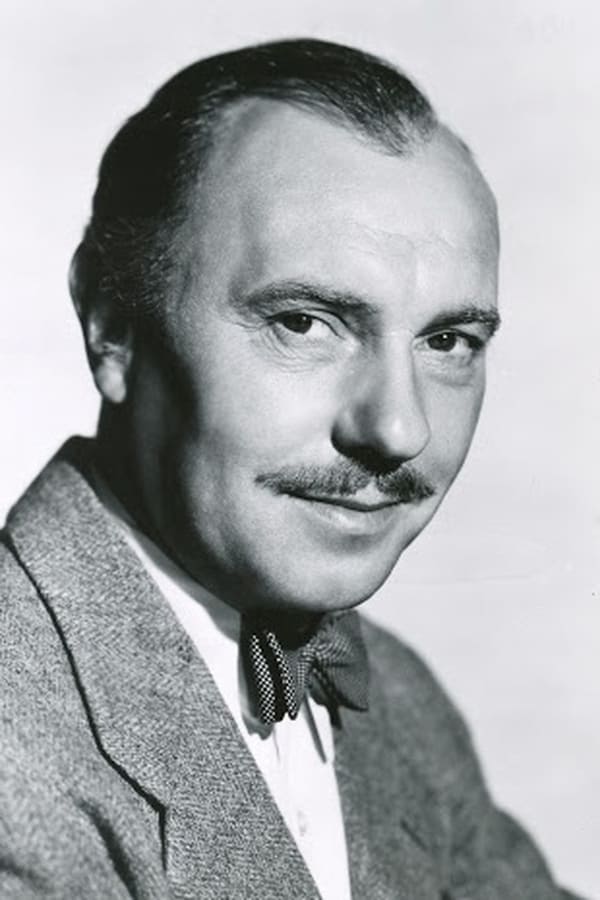
Ralph Richardson
William Ammidon

Herbert Lomas
Barzil Dunsack
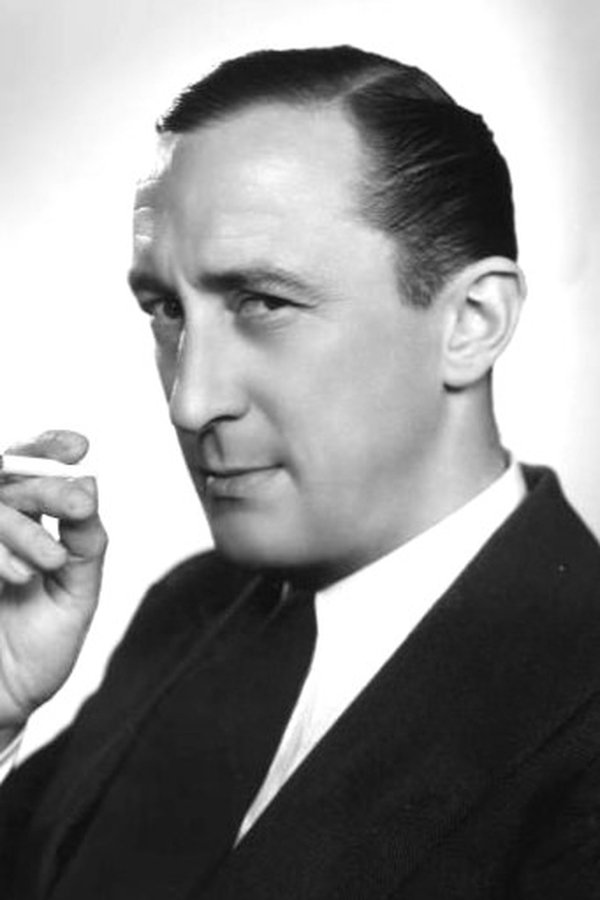
George Curzon
Edward Dunsack
John Marriner
John Stone
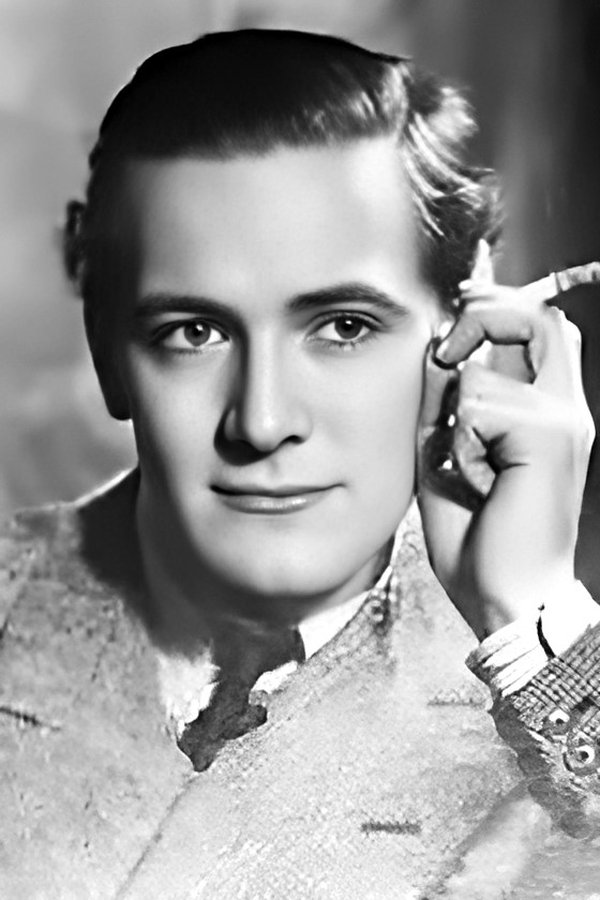
Grey Blake
Roger Brevard (as Gray Blake)
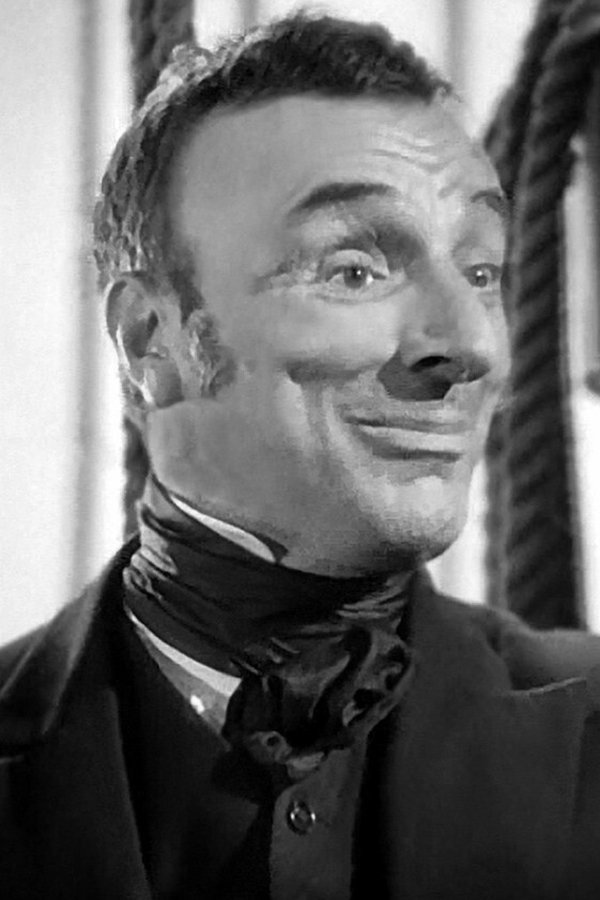
Roy Emerton
Broadrick
Amy Brandon Thomas
Rhoda Ammidon
Spoiler Warning
Viewers get a glimpse of life of mediocrity in a world where humans and cartoon characters live together in this comeback.
The singer recounts the memories of writing and creating her record-breaking debut album and shares her feelings as a young woman navigating a specific time in her life.
Despite its simple premise, “imagine being a woman,” the horror behind "Men" feels fueled by a hollow understanding of the insidiousness of misogyny.
Who knew a drunken game of truth or dare could launch one of the most chaotic rom-coms of the year? The Threesome takes Connor’s fantasy night with Olivia (Zoey Deutch, in peak queen-of-indie form) and Jenny (Ruby Cruz) and flips it into a deliciously messy nightmare when both women end up pregnant. What follows isn’t cheap comedy—it’s a whip-smart, heartfelt exploration of love, consequence, and the beautiful disasters we call adulthood.