

The True Confessions of an Invisible Girl
The clever but socially-awkward Tetê joins a new school, and she'll do anything to fit in.
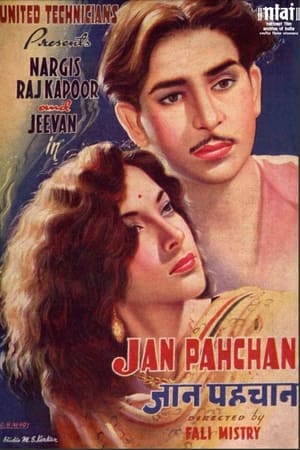


Anil, an artist, comes to stay in a village with his friend Jeevan. While there he meets Asha and asks her to model for his statue. The two fall in love. They marry secretly but Anil must leave as his father is dying. While on the way back his car crashes and he is disfigured. Anil is now reluctant to go to Asha in case she no longer loves him, while meanwhile Asha is pregnant and being shamed by the villagers.
The clever but socially-awkward Tetê joins a new school, and she'll do anything to fit in.
The movie opens with an empty house, cameras pan around from the perspective of what viewers are confused about at first, but turns out to be a spirit living in the home.
The film reminds us to remember the people who had the courage and dignity that had made the world better, even when the memory was absent.
Netflix’s Shadow and Bone has a complicated relationship with race. It has a diverse cast, but not without its problems. Based on Leigh Bardugo’s two book series, the show features characters from the Shadow and Bone trilogy, which is very straight and white, and the Six of Crows duology, which is much more diverse. When bringing together a cast and writing about these characters, the team behind the show expanded upon some of the representation missing from the first trilogy, then seemed to take away representation from the duology. Shadow and Bone seems to play a bit of a push and pull game when it comes to portraying diversity onscreen.
Movies also have the ability to make the audience think deeper about an issue that plagues society. "Blindspotting" does that without shying away from the intense reality of police brutality and racial discrimination.
The 'Shaft' remake fails to capture Blaxpoitation's rebellious spirit.