






Pearl Review - Mia Goth's Twisted Delusions of Grandeur
While subverting the conventions of Golden Age cinema with the characteristics of a slasher, Pearl studies the delusions of grandeur inspired by the movies.
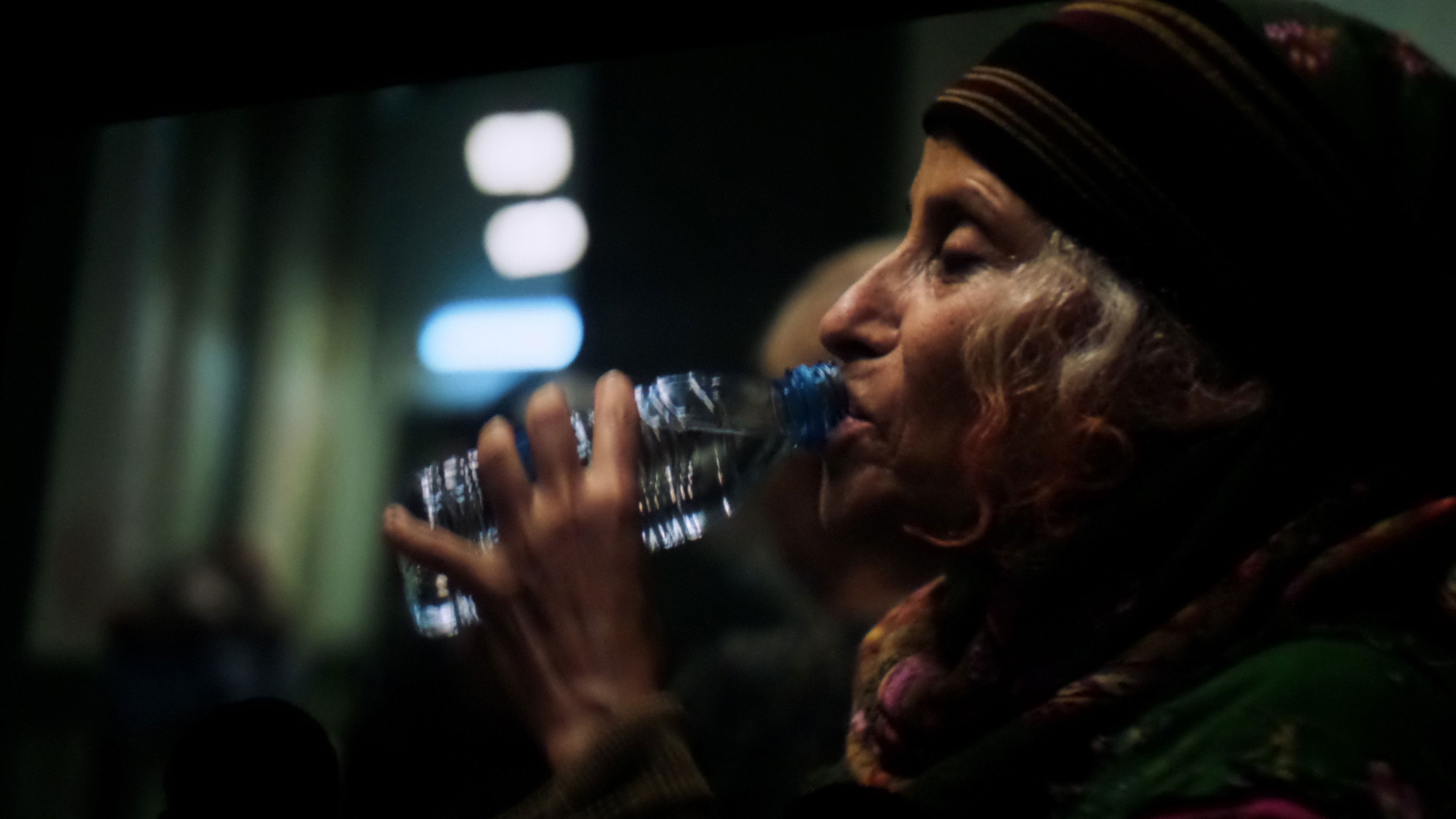
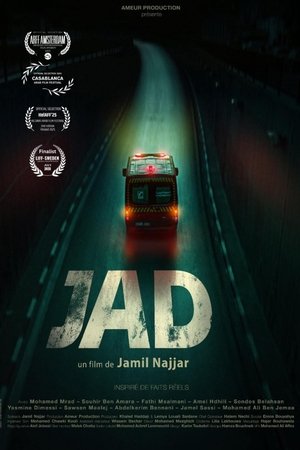


After a brutal car accident, Ahmed, a driven young businessman, is critically injured and trapped in a Tunisian public hospital with his younger brother Nour. Thrust into an unfamiliar, chaotic system, he discovers a world of pain, waiting, and silent resilience. As Nour clings to life, Ahmed is forced to confront his own values, social inequality, and the fragility of control. His experience becomes a powerful lens through which the film critiques Tunisia’s struggling public healthcare system—marked by neglect and human suffering. This unexpected ordeal transforms Ahmed, reshaping his bond with Nour and his view of the world forever.
While subverting the conventions of Golden Age cinema with the characteristics of a slasher, Pearl studies the delusions of grandeur inspired by the movies.
Released on Netflix this last July, Mile End Kicks, catches the eyes of those who are wanting to escape the disasters of 2026 and visit the era of peak Tumblr, unforgettable music hits, and iconic fashion trends—-of 2011. This coming-of-age film directed by Chandler Levack succeeds at portraying an accurate representation of what life was like in the early 2010’s.
Juno is extremely funny, very well-written, and contains great performances. The film is also about a very important topic, one that is extremely relevant now: women’s reproductive rights. Is this Oscar-winning film spreading a pro-life or pro-choice message to its audience?
Alongside A Drowning Man, I Signed The Petition, 3 Logical Exits, and A World Not Ours, A Man Returned continues to paint a realistic portrait of the Refugee Crisis that eschews the Western gaze and stereotype. These are real portraits painted by a director with lived experience, cultural connection and an amazing eye for visuals.
Disney has a glaring and, up until recently, unaddressed issue that spans nearly its entire lifetime - an absence of diversity.
This list was made with the intention of celebrating comedic craft and a love of seeing more women of colour and newcomers on the scene.