










The Lion King (2019) — Did Disney actually learn anything?
Disney has hopefully learned some lessons since 1994. Are those lessons reflected in the 2019 remake of "The Lion King?"
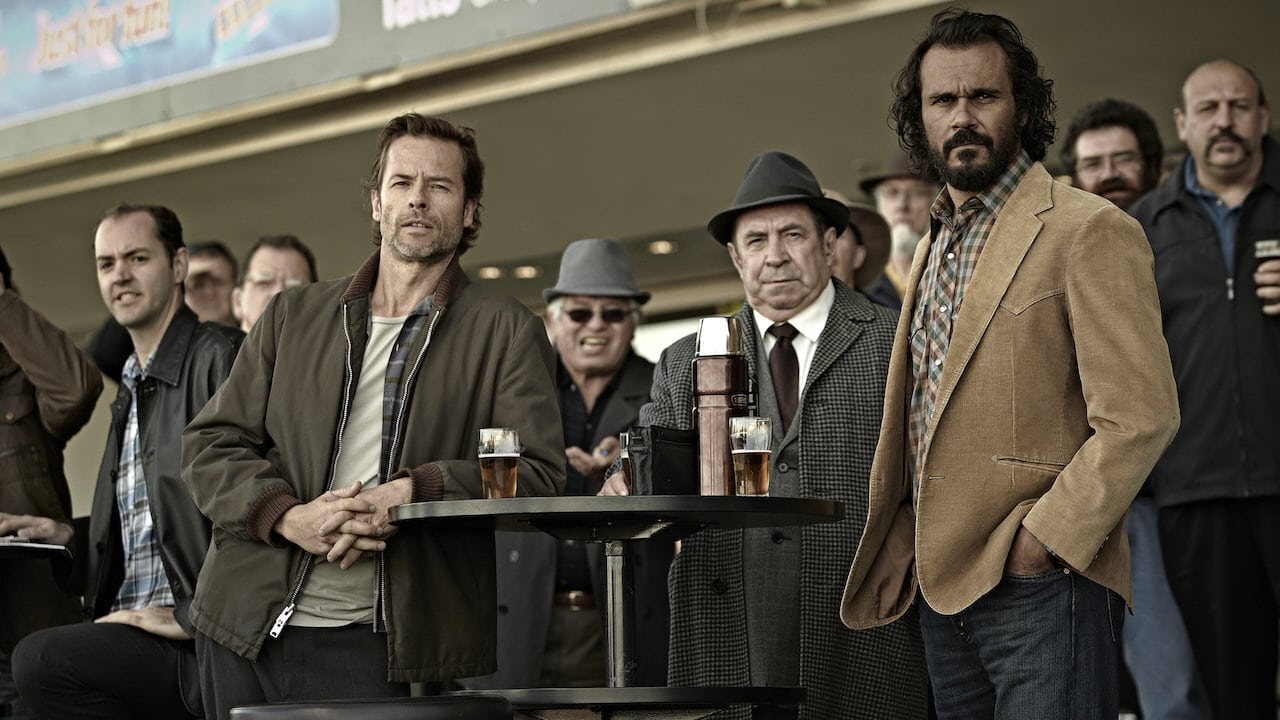
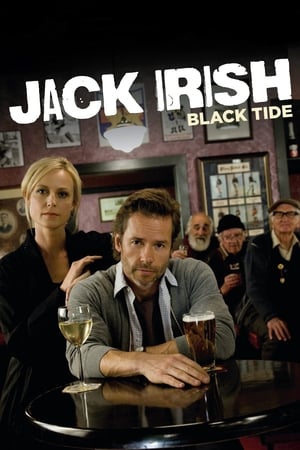


Jack Irish has no shortage of friends, but family members are few and far between. His wife was murdered by an ex-client and his father is a fading photo on the pubs football wall of fame. So when Des Connors, the last link to his dad, calls to ask for help in the matter of a missing son, Jack is more than happy to lend a hand. But sometimes prodigal sons go missing for a reason... As Jack begins to dig, he discovers that Gary Connors was a man with something to hide, and his friends are people with yet darker and even more deadly secrets.
Disney has hopefully learned some lessons since 1994. Are those lessons reflected in the 2019 remake of "The Lion King?"
‘Oppenheimer’ is a force to be reckoned with. A biopic that respects the audience’s intelligence.
So with the recent (rightful) public apologies to Britney from comedians and media for trashing her image in the 2000s, perhaps some people should also give Crossroads the fair chance it deserves. It won't be everyone's cup of tea, and that is fine. Personally, I will take my girl Britney and her movie, over the next testosterone "Dude Flick" any day.
In less than 30 minutes, Proudfoot guides the viewer through a narrative that touches on American history, mind-health issues, race, and gender politics
Cord Jefferson's hilarious and thought-provoking film continues a long-standing cinematic tradition, expanding the conversation around the impact of systemic racism in today's media.
In the LGBTQ+ holiday rom-com wars, 'Single All The Way' may or may not be the “answer” to 'Happiest Season.'