


Rallies and Musical Numbers: Hairspray Unpacks Racism in The 1960s
The multifaceted musical represents America in the 1960s and the battle against bigotry as an ensemble cast portrays how to fight for the limelight.
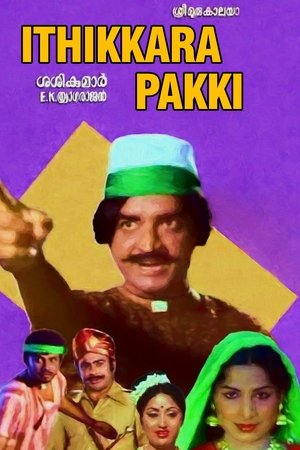


Ithikkara Pakki, a daily-wage labourer, fights against a wealthy landlord when he tries to trouble the villagers. Things get worse when he falls in love with the landlord's daughter.
The multifaceted musical represents America in the 1960s and the battle against bigotry as an ensemble cast portrays how to fight for the limelight.
Sam Levinson's latest film can't keep up with the excellence of its performances.
The Invitation takes a creeping look at two simple premises: reuniting with forgotten friends and new-age spiritualism. Though one seems a bit scarier than the other, the film heightens social awkwardness to a macabre level that puts an uncomfortable look on when the social taboo of grief is put on public display.
Throughout Brendan Fraser’s career, he has played a plethora of unique, layered characters who explore the importance of not being afraid to display your emotions, something that is often seen to not be a masculine trait. This idea of regulating emotion and what traits men are able to possess creates a toxic atmosphere for men who are often told they should not cry or represent their emotions in any physical way. These characters represent that men can be joyful, emotionally conscious, and sensitive, while also representing their masculine identity instead of painting those qualities as fighting against their masculinity.
In 'Little Boxes," an interracial family moves to an all-white town where they face the judgement of others who have never been exposed to people of color before.