

'No One Will Save You'
Explore the tension between director intention and viewer interpretation in this review of the excellent sci-fi horror of 'No One Will Save You.'

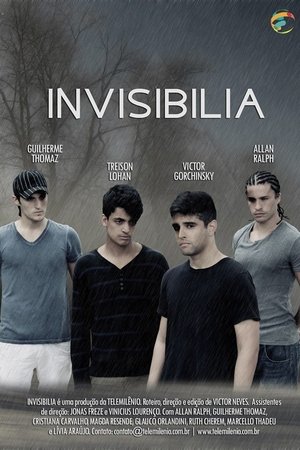


Enzo is a young dreamer who studies hard to enter college and thus give his family better living conditions. He lives in a small town, in the interior of Rio de Janeiro, with his mother, Ruth, and his stepfather, Leví. Reserved, Enzo befriends Pato, a new student at the school, and everything changes when the two start to look at each other differently, feeding a feeling that will grow every day. The two, however, will be targeted by the villains Igor and Sapão, who are involved in the murder of a gay couple.
Explore the tension between director intention and viewer interpretation in this review of the excellent sci-fi horror of 'No One Will Save You.'
Miley Cyrus shares her struggles as a songstress with a young audience, all while staying upbeat for the Disney brand.
A simple question often sparks intense debate. Incluvie attempts a working definition for the beloved horror genre.
The Gates, John Burr’s new thriller film, is a disturbingly realistic portrayal of three Black twenty-somethings - Derek (Mason Gooding), Kevin (Algee Smith), and Tyon (Keith Powers), as they accidentally take a wrong turn into a gated community that’s more like a modern-day sundown town. The three friends witness a variety of crimes in their new surroundings, including an attempted homicide and an attempted rape. As they attempt to alert the authorities and do the right thing, they are thwarted at every turn by the worst horror stories of American conservatism - racist white suburbanites, reckless gun violence, corrupt police, religious mania, and a megalomaniacal pastor.
Marcel the Shell with Shoes On is the most human movie of the year. It is based on the 2010 short of the same name that follows a big-hearted, little shell named Marcel as he navigates through life in a human-sized world.
A man found himself stuck inside the passage to the subway exit on the way to work.