

Netflix’s “Self Made”: What's Fact and What's Fiction?
Netflix takes some liberties in its portrayal of Madame CJ Walker, a trailblazing Black entrepreneur.
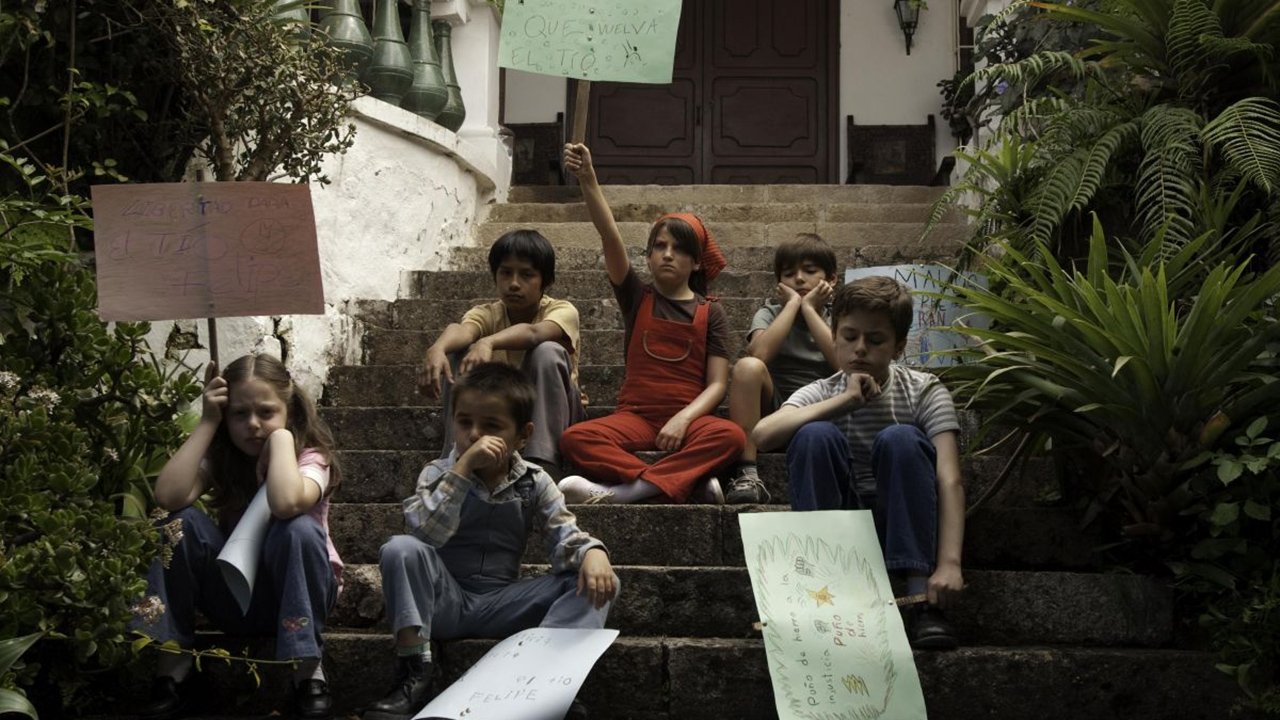
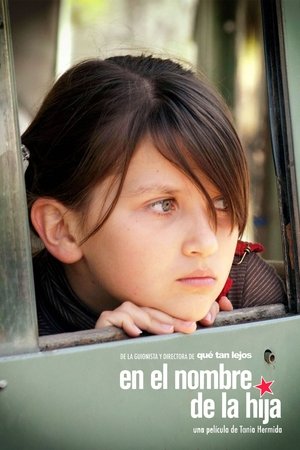


En el Nombre de la Hija tells the story of a nine-year old girl whose name is in dispute. Manuela has been named alter her socialist-atheist father, but her catholic-conservative grandmother insists she should carry the name the first daughters of the family have carried for generations: Dolores. The story takes place in a Valley in the Ecuadorian Andes, during the summer of 1976. Manuela and her little brother, Camilo, are spending vacations with their cousins and grandparents at the family's farmhouse. Eager to defend her father's ideas, Manuela confronts her cousins and grandparents, but an unexpected encounter leads her to confront herself instead. Hidden in the family's abandoned library, schizophrenic uncle Felipe is devoted to setting words free from the constraints of dogmas. His wisdom sets Manuela free from her own dogmas and forever changes her relationship with words, including her own name.
Netflix takes some liberties in its portrayal of Madame CJ Walker, a trailblazing Black entrepreneur.
Keep scrolling to find names that should become part of your watchlist!
Stevan Lee Mraovitch’s film is a beautiful tribute to family, found family, and the lengths people will go to support their loved ones.
When most of us think about diversity in film, we usually think about three things: race, gender, and disabilities. However, there is a forgotten topic... age. These are 12 of the best films about growing old.
Seeing that the film was essentially his first big, mainstream feature, and with garnering a leading role — portraying the revolutionary ball-player Jackie Robinson — Boseman, without question, delivered a performance that is still so incredibly moving, respectful, genuine, and true to the core of his obviously sincere, artistic heart; and with that, it is indeed so saddening to see him pass.
... La huesera haunts her daily life, leaving people to question her viability as a mother, and Valeria’s lack of satisfaction with her life leave her asking similar questions. These misgivings reach their peak after the baby is born, when Valeria, visibly in a state akin to possession, locks her in the fridge when she won’t stop crying through the night