







Caught Stealing: New York, Crimes, Baseball, and Cat
The trainwreck is hot but tame.
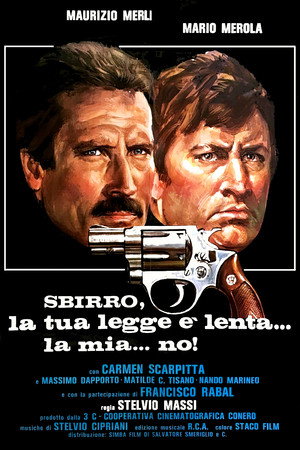


Commissario Paolo Ferro (Maurizio Merli) stars as a (typical) tough cop again. This time he returns to the city of Milan to go after a murder corporation. Acampora (Mario Merola) is believed to be the prime suspect although he later proves to be one of the mafia's targets. As if all that wasn't enough, Paolo has to face his own nephew who seems to be involved in all sorts of dirty business.
The trainwreck is hot but tame.
Here's what Disney got wrong with "Aladdin" and how it can avoid those pitfalls with "Hercules."
Movie explained - Despite the glaring flaws present, Young Adult Matters is held together by the performances from Yoo Mi and Hani, who keep the story afloat. Though an interesting story, Young Adult Matters is worth watching solely for these performances. Among its brilliant performances is a messy, self-indulgent, and at times overwhelmingly brutal story with more potential than follow through.
Clearly, in the end, Allison raised a responsible child because she knew that her "friend" was doing something that made her uncomfortable and turned away from her. No worries, Super mom was already one step ahead of her.
"Godzilla vs. Kong" is all style and very little substance. It's also the most fun I've had in months.
Love is Blind Season 2 is the perfect reality show to tie a viewer over until the next season of Bridgerton. Check out Love is Blind Review Season 2