

Light Language in Casablanca
What makes the lighting in Casablanca even more impressive is how it reflects the emotional states of the characters without needing explicit dialogue.
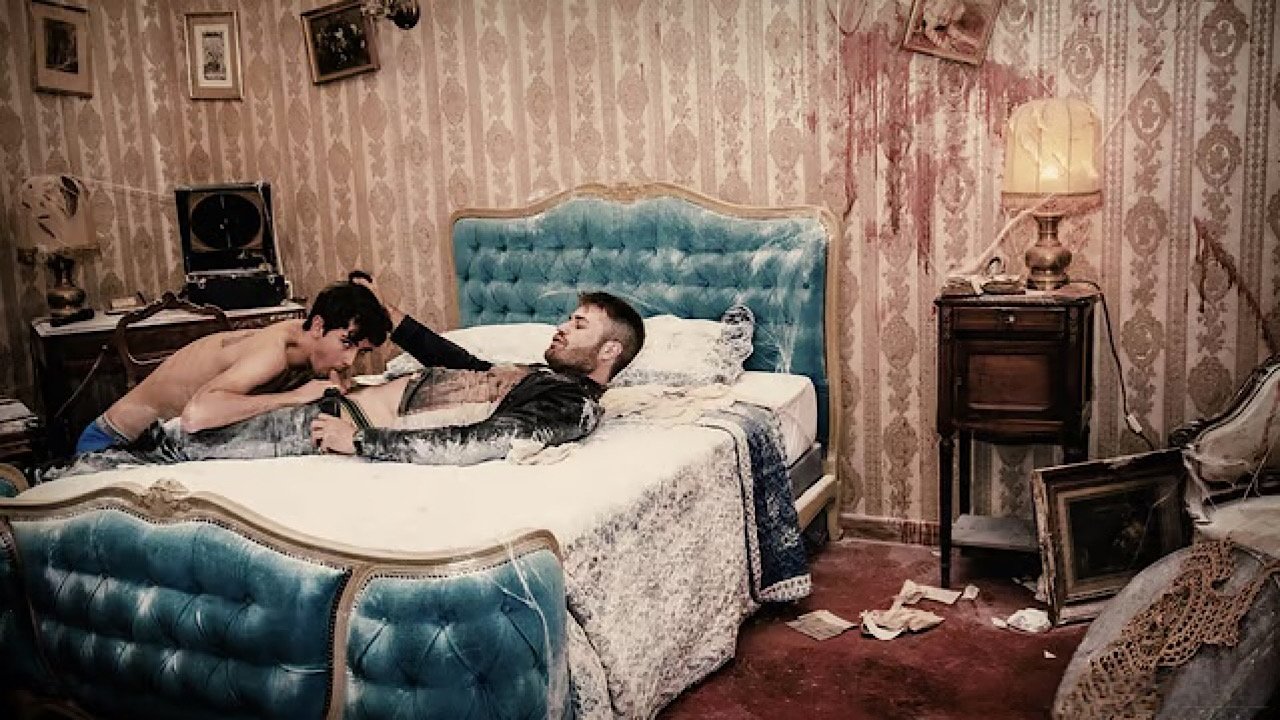
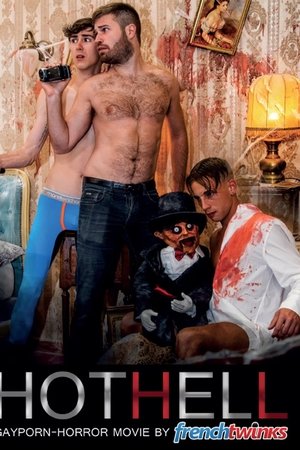


A couple of podcasters as crazy as sexy (Paul Delay and Doryann Marguet) take on a new challenge for Halloween and leave to shoot a sextape in a haunted hotel of the thirties, left abandoned since the mysterious murder of a ventriloquist (Baptiste Garcia). Aside from his scary puppet, photos of naked men were also found on the crime scene suggesting that the victim was gay. Will the two boys finish their sextape? Can a ghost have libido? What shadow is moving in the darkness? There's only one way to find out: turn up the volume, slip a hand in your pants and watch "HotHell" to discover an experience the thrill is two-way.
What makes the lighting in Casablanca even more impressive is how it reflects the emotional states of the characters without needing explicit dialogue.
The most divisive character in Multiverse of Madness is undoubtedly Wanda Maximoff. Is she good or evil? Is she "unlikeable?" I'm tired of the debate. I love Wanda because she's for us—she's for the women.
During the rise of fascism in Mussolini's Italy, a wooden boy brought magically to life struggles to live up to his father's expectations.
Spoiler Warning
Documented human suffering is never easy to view or read about and is understandably triggering for many people, but it can be educational, and education is a key to change. An overwhelming amount queer people worldwide (and in my own country) have it far worse than I could imagine, and documentaries such as Welcome to Chechnya bring issues to light that certain groups of people would never see.