







Once Upon a Time in (White) Hollywood
Tarantino's alternative history of the 1960's uncritically repeats the era's sexist and racist stereotypes.
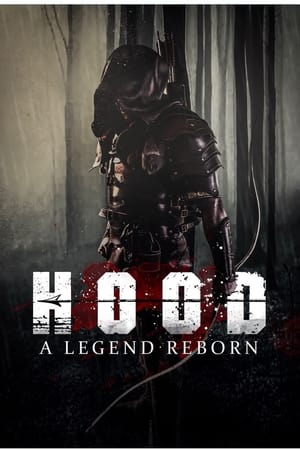


The year is 1180 AD. King Richard the lion heart has distributed power to the Lords of the land in his absence. The Sheriff of each town has been authorised to enforce the law and maintain order, ensuring the people abide by their civil duties and pay their taxes. Robert Loxely, the Lord of Nottinghamshire, returns from fighting in the crusades along side his closest life long friend. He honours him by making him the Sheriff of Nottingham. Robin, only a young boy, watches as his father is betrayed by the Sheriff and executed before him. Several years later and now a veteran of the war himself, Robin wanders the land alone. A chance meeting places him at the feet of a rebellion. Those who have been outcast and banished from the city. Their villages raped and pillaged at the hands of the tyrannical Sheriff. Robin now has a choice, to turn his back on his home land, or stand, fight and lead the rebellion against the merciless Sheriff and his men.
Tarantino's alternative history of the 1960's uncritically repeats the era's sexist and racist stereotypes.
We’ve always known that Edgar Wright is a mixologist when it comes to blending sound, light, colour, and texture. This is especially true in the first act of the film. In fact, all of my positive feedback is directed exclusively at the first act of this film.
I was able to watch the gleefully mesmerizing Disney remake that was Robert Zemeckis’ Pinocchio. I was enthralled by Zemeckis’ iteration.
The idea of Rosemary's baby but with lesbian partners drew me in, and I was anticipating what the film had in store with its reimagining. Unfortunately, it all felt a little too vague to leave an impact.
Disney’s first Christmas advert, ‘From Our Family to Yours’ teaches us the magic of the holidays.
‘Run Sweetheart Run’ has everything women fear the most, from psycho boyfriends to tampons.