





A Closer Inspection of LGBT Characters in Film
We have a long way to go with LGBT representation in film, especially when it comes to LGBT characters of color and trans characters.




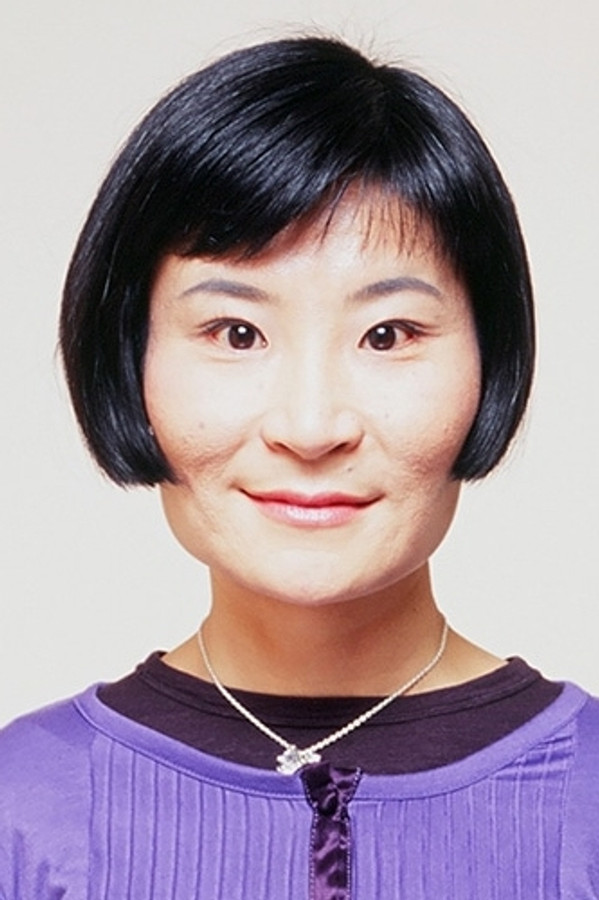
Mitsuko Kuroda is 31 years old and single. She enjoys her life as a single woman. A big reason why she enjoys her single life is that she has counsellor "A" in her mind, which is her other self. Whenever she does not know what to do, "A" gives her the right answers. She believes her happy and peaceful single life with "A" will continue, but she falls in love with Tada-kun. He is a salesperson and younger than her.
We have a long way to go with LGBT representation in film, especially when it comes to LGBT characters of color and trans characters.
In the spirit of Halloween, here's a list of body horror films which can be interpreted as trans allegories.
Bong Joon Ho’s masterpiece, Parasite (2019) became one of the few international films to break into the American mainstream.
The Invite is witty, dramatic, funny, and probably the best comedy released this year so far.
It’s been awhile since I’ve seen a film that is jarring within the first five minutes. Being at the edge of my seat from the very beginning made me feel both excited and frightened for what was to come, and it did not disappoint. Led strongly by Jennifer Lawrence as Grace, a woman trapped in the “American dream”, this film shows that society tells us what should make us happy. Many critics describe Die My Love as being about post-partem depression, but it is so much more. After moving to a secluded home with her husband Jackson, Grace finds herself in the throes of motherhood. Feeling isolated in her physical environment and her romantic relationship, Grace suffers psychologically. Lawrence brings a sense of rawness and humor to the screen that is often uncomfortable. Robert Pattinson adds to the discomfort as her loving, yet lost husband Jackson, who cares about his wife but does not know how to help her. Lynne Ramsay has presented a film that forces us to look at the realness of life, and what happens when the promise of what should make you whole fails.
Why did Māhū, a term once respected in Hawaiian culture, become so controversial?