





The Night Doctor (2021), a Cannes Hidden Gem
The Night Doctor achieves telling an original story in which the pace accelerates progressively while supported by dark aesthetics.
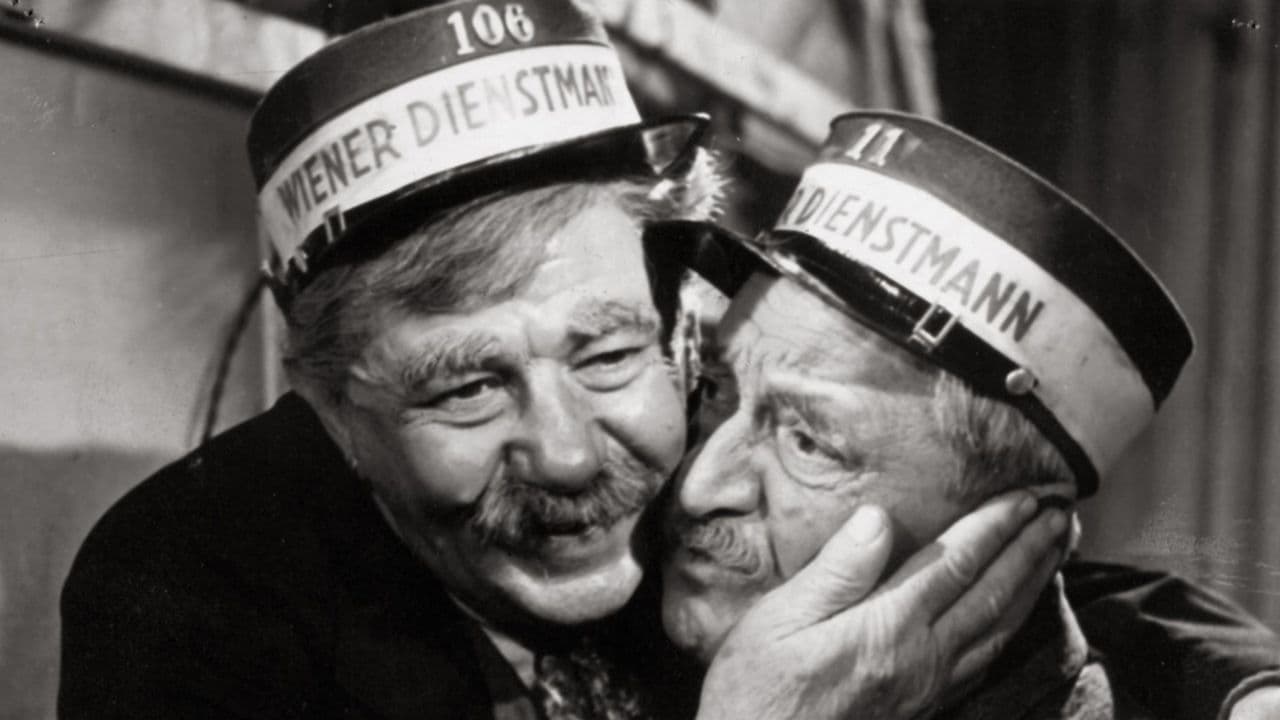
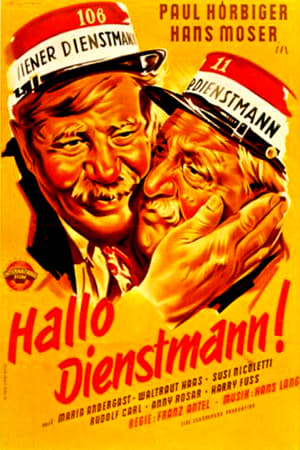


Vienna, 1951. Ferdinand Godai is a professor of operetta at the Academy. Disguised as a porter for a costume party, he ends up in a drunken mood at the South Station. There he meets Anton Lischka, a genuine Viennese porter with a fiery temper, who asks him for his collegial help. Ferdinand falls in love with the sweet Gabi, who turns out to be a new colleague at the Academy. A series of adverse circumstances force him to continue his complicated double life as a fake porter and a genuine professor. Lischka, who becomes increasingly annoyed by his "colleague's" clumsiness, is also drawn into the confusion. Only Gabi sees through the deception and even contributes to its escalation in order to teach her beloved professor-porter a lesson in womanizing.
The Night Doctor achieves telling an original story in which the pace accelerates progressively while supported by dark aesthetics.
Lady Bird (Saoirse Ronan) tells her mother (Laurie Metcalf) that she wants to live through something — something that matters.
Its predictability shouldn’t distract from the enjoyment that the pure cinematic imagination behind the camera elicits. It is a movie of crises both moral and mortal, oozing with CGI, and thoroughly enjoyable.
"King Richard" paints a nuanced portrait of a Black father trying to ensure his daughters’ success in a racist, misogynistic world. Yet, Richard and his kids overcome that fear and adversity to succeed.
In order to learn why an arguably outdated fanfic trope was resurfacing in the contact zone of popular culture, I dove into a vibrant trough of character development.
In less than 30 minutes, Proudfoot guides the viewer through a narrative that touches on American history, mind-health issues, race, and gender politics