



Incluvie – Better diversity in movies.
Identity in film with Incluvie stamps, scores, reviews.

Incluvie – Better diversity in movies.
Explore identity in film with Incluvie stamps, scores, reviews, and insights.

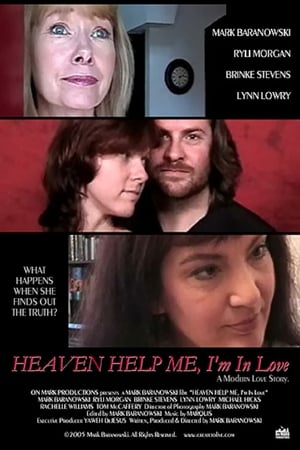
Heaven Help Me, I'm In Love poster

Heaven Help Me, I'm In Love (2005)

Micro-budget love story.
- / 5
PopScore
Representation

Pictures and Videos


Incluvie Gala

Movie Information


Micro-budget love story.

Rating:
Genre:Comedy, Drama
Directed By:Mark Baranowski
Written By:Mark Baranowski
In Theaters:9/27/2005
Box Office:

Runtime:92 minutes
Studio:

Articles You May Like


The Thursday Murder Club: Sharp, Charming, Fun

At Coopers Chase, murder isn’t just tragedy—it’s Thursday’s entertainment. Chris Columbus’ The Thursday Murder Club transforms Richard Osman’s bestselling series into a cozy, clever whodunit where Helen Mirren, Pierce Brosnan, Ben Kingsley, and Celia Imrie prove that life’s sharpest twists don’t stop with age. With llamas on the lawn, cakes at the ready, and secrets around every corner, this star-powered mystery balances charm, humor, and heartache, reminding us that friendship, resilience, and reinvention might just be the ultimate clues.

Nilufer Ozmekik

What Netflix's “Shadow and Bone” Gets Right and Wrong with the Books’ Diversity

Netflix’s Shadow and Bone has a complicated relationship with race. It has a diverse cast, but not without its problems. Based on Leigh Bardugo’s two book series, the show features characters from the Shadow and Bone trilogy, which is very straight and white, and the Six of Crows duology, which is much more diverse. When bringing together a cast and writing about these characters, the team behind the show expanded upon some of the representation missing from the first trilogy, then seemed to take away representation from the duology. Shadow and Bone seems to play a bit of a push and pull game when it comes to portraying diversity onscreen.

Daleyna

The Rise of a Kindhearted Comedy Hero: The Anti-Toxic Masculinity Message of Brendan Fraser Films

Throughout Brendan Fraser’s career, he has played a plethora of unique, layered characters who explore the importance of not being afraid to display your emotions, something that is often seen to not be a masculine trait. This idea of regulating emotion and what traits men are able to possess creates a toxic atmosphere for men who are often told they should not cry or represent their emotions in any physical way. These characters represent that men can be joyful, emotionally conscious, and sensitive, while also representing their masculine identity instead of painting those qualities as fighting against their masculinity.

Amanda Mazzillo