






“Disclosure Day” and Anthropocentrism
Disclosure Day asks us to question humanity's role in the universe but falls victim to the same assumptions of centrality.

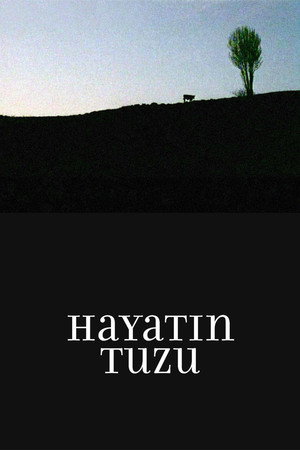
The most famous thing about Bitlis, as evoked by the song "Bitlis'te 5 minare" (Five Minarets in Bitlis), is the unique atmosphere of this small city, famous for its parched lands, historical fabric, and tobacco. Medine is an elderly woman living with her three adult children—one an imam at a mosque, one a worker at a cigarette factory, and the other a student at a tutoring center—and is overwhelmed by their troubles. The unexpected return of her fourth child, who was involved in pirated CD sales in Istanbul, escalates the problems and pushes the family into an even more untenable situation. In this distant and suffocating city, everyone—from the wounded cow roaming the hills to the imam at the mosque—has an issue related to pride. As the camera draws closer to its characters and events, it reveals that things are not as they seem, sparking our curiosity to understand the truth.
Disclosure Day asks us to question humanity's role in the universe but falls victim to the same assumptions of centrality.
This romance movie has strong representation of Taiwanese people.
Battles will come and go and queer people do die for their identity and fights for rights, but that doesn’t mean the gays don’t deserve their happy endings in stories.
That feeling in your gut which tells you that there’s something out there you should look for and make your own, is what the power represents
Portraying how easy it is to be an ally heavily benefits the majority audience. The more we encourage it, normalize it, and give people the tools to become one, the sooner we can co-exist peacefully.
'Wolf Like Me' works if you want a show to shut off your brain while watching. If you think too much, you'll hurt yourself.