








Rallies and Musical Numbers: Hairspray Unpacks Racism in The 1960s
The multifaceted musical represents America in the 1960s and the battle against bigotry as an ensemble cast portrays how to fight for the limelight.
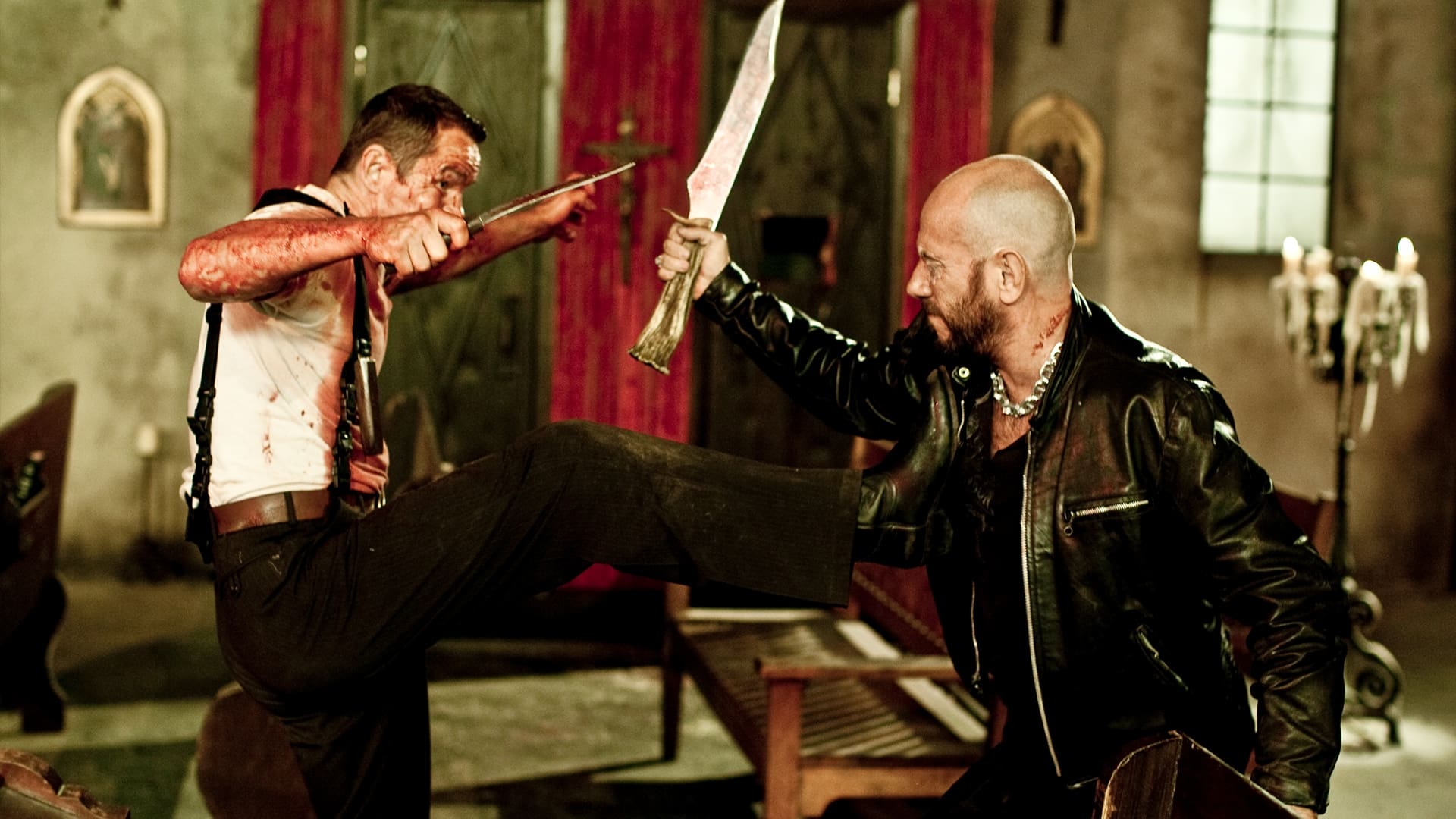
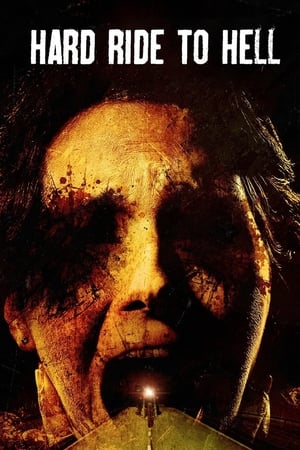


A group of family and friends on a camping trip through the Texas badlands are taken on a on-way ride to Hell after they inadvertently witness a ritual sacrifice at a deserted campsite. Pursued by the devil worshiping biker gang responsible, they hole up in an abandoned church near the border, only to discover that they are pawns in a decades-old battle between good and evil.
The multifaceted musical represents America in the 1960s and the battle against bigotry as an ensemble cast portrays how to fight for the limelight.
At its heart, it’s a fond tribute to an influential artist and thus one that can speak to everyone’s inner artist, even if it lacks the sincere commentary you may wish to see.
Tran Quoc Bao succeeds in telling us a story about martial arts, human decay, and friendship. The originality shown by his filmmaking is admirable and brings fresh air to the classic Chinese martial arts genre.
We're in the midst of July, the month in which Americans are supposed to be at their most patriotic! With barbecues, beach trips, and fireworks galore, this is the month where we celebrate our country. For Incluvie, that primarily means diving into the wonderful "melting pot" of the diversity of American film! In between celebrating and feasting, it's important to remember the very basis this country is founded on: "liberty and justice for all."
“I’m always interested in exploring female fantasy, and the sexy witch is a loaded archetype that is simultaneously about men’s fears and fantasies about women, and women’s feelings of empowerment and agency. So whereas we are used to seeing the sexy witch or the femme fatale from the outside, I wanted to explore her from the inside.” - Anna Biller, on why she made The Love Witch