




Once Upon a Time in (White) Hollywood
Tarantino's alternative history of the 1960's uncritically repeats the era's sexist and racist stereotypes.
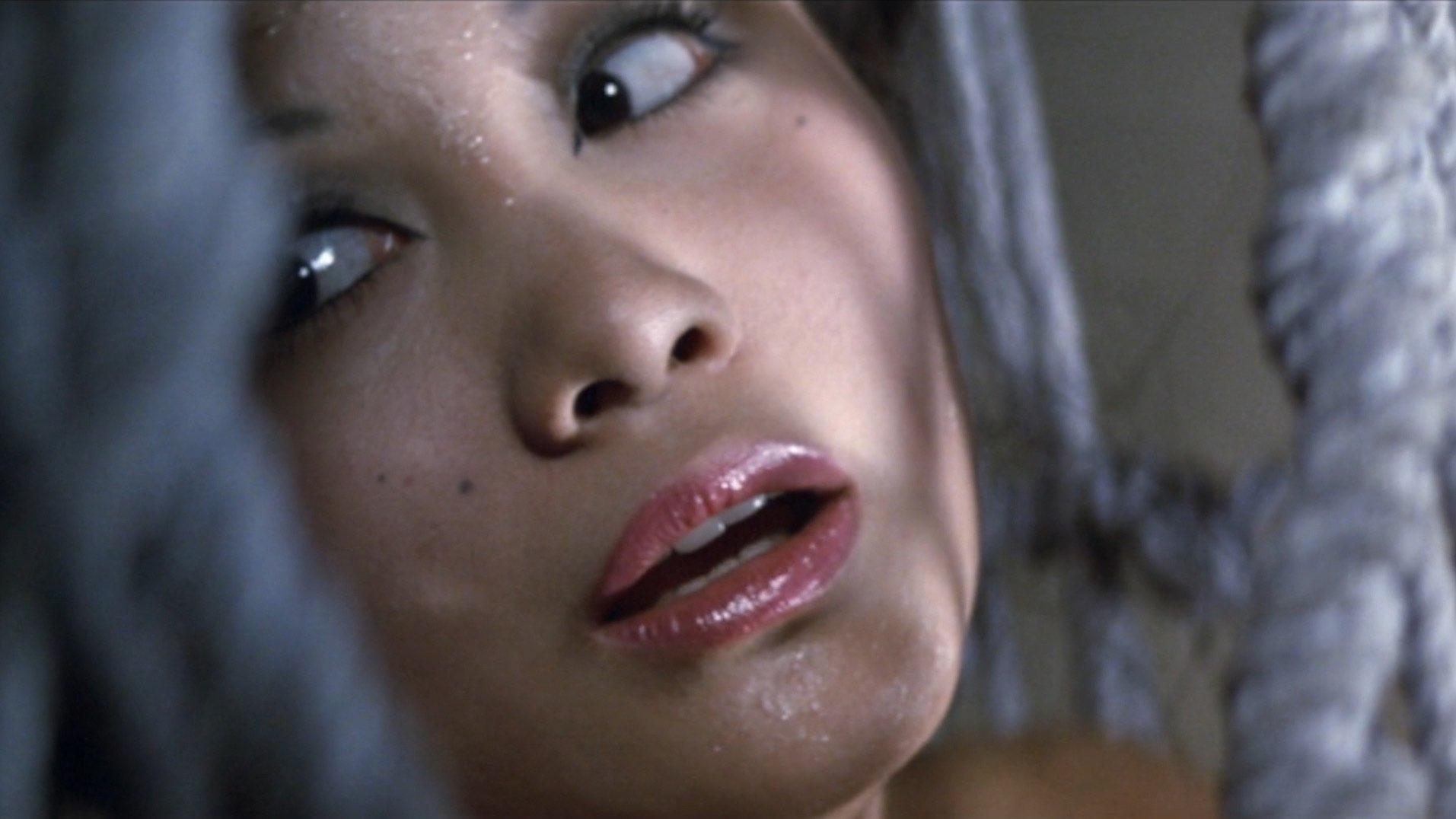
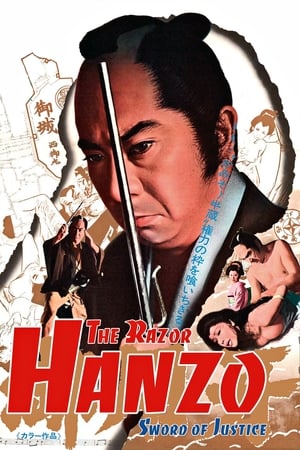


Fearless Edo-period police inspector Hanzo Itami, nicknamed The Razor, has developed his own unique way of extracting information for his inquiries. His first adventure sees him investigating his superior officer's mistress, whom he suspects of having ties with a reputed criminal on the loose.
Tarantino's alternative history of the 1960's uncritically repeats the era's sexist and racist stereotypes.
Have a Good Trip offers a rather balanced look at psychedelic use. While its main narrative is the stories of recreational use by celebrities, it does delve into the medical history of psychedelics and its use in psychotherapy.
Clearly, in the end, Allison raised a responsible child because she knew that her "friend" was doing something that made her uncomfortable and turned away from her. No worries, Super mom was already one step ahead of her.
"Warrior" is a Bruce Lee written and inspired story that follows a diverse cast of Chinese American characters and does a terrific job of setting the story in 1878 San Francisco - all without pulling their punches with the systemic racism, discrimination, and struggle for power that old and young immigrants that crossed the country at that time had to go through.
Typically in film, characters suffering from mental illness are used as plot devices or exaggerated for comedy. 'The House that Jack Built's representation exceeds in accuracy and realism of OCD.