





Why "People We Meet On Vacation" Did Not Meet Its Full Potential
Emily Henry’s adaptation reaches romance movie standards, but not romance reader standards.

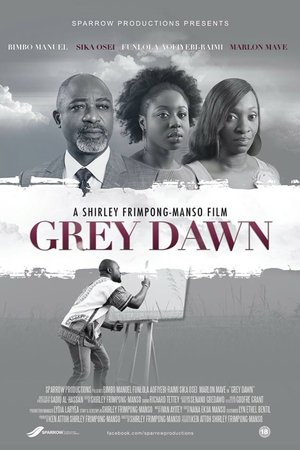
A government minister must choose between using his position to help his father in law stay out of jail for tax evasion or allow the law to take its course with him. His decision causes him and his family more harm than good.
Emily Henry’s adaptation reaches romance movie standards, but not romance reader standards.
He’s a nine-time Oscar host and a revered comedy legend. He’s an up-and-coming comedy star who was a voice in the biggest animated movie of all time. So what happens when these two are forced to work together?
Netflix's new thriller Apex, starring Charlize Theron, puts a twist on survival horror. Despite its setting in the beautiful- yet-dangerous Australian wilderness, Apex is not a movie about man vs. nature. Instead, it’s woman vs. man. While checking out the title card and its unpretentious Netflix release might lead viewers to believe Apex is just another celebrity project churned out of the streaming machine, Apex - whether by luck or by intention - is a consistently harrowing film about the reality of being a woman in a public space.
Despite the film’s efforts to reframe its heroine with modern complexity, a certain emotional distance lingers.
It’s easy to dismiss Joel and Ethan Coen for writing from the world they build from outside the box of overarching Hollywood stereotypes, but their inability to compromise their collective vision is precisely what makes the simplistic nature of their world-building and characters so brilliant. It’s also what led Fargo to collect seven Oscar nominations and two wins for Best Original Screenplay and Best Actress for Frances McDormand’s brilliant portrayal of the sincere, motherly detective whose wholesome demeanor seizes the day over the selfishness, corruption and evil of the men who don’t comprehend that there’s more to life than a little money.
Tarantino's alternative history of the 1960's uncritically repeats the era's sexist and racist stereotypes.