Writing Great Villains: Why They Shouldn't Be Sympathetic
Writing great villains is about striking a balance between charming and evil, so we love them but also love to see them lose.

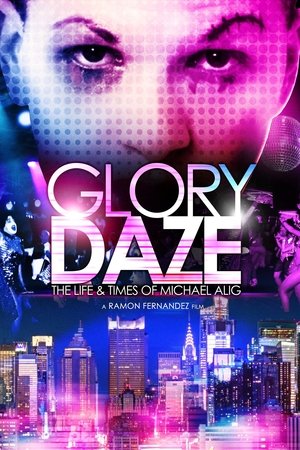
A review of the wild New York City nightlife of the 90s. The cast of characters who made up the infamous Club Kids speak candidly about that era, culminating with Alig's release from incarceration.
Writing great villains is about striking a balance between charming and evil, so we love them but also love to see them lose.
How closely should film adaptations follow their source material? Let's take a deep dive into "Norma Rae", and find out.
I am shocked and upset to report that the movie about a female car mechanic who meets the love of her life online featuring Katy O’Brien does not, in fact, have a lesbian storyline.
The plot could’ve really been interesting if the elements of lycanthropy was integrated with perhaps the struggle of identity of being LGBTQ+. It's an experience for so many that as they’re starting to realizing their true selves, they feel like a monster, especially if they come from unsupportive homes or communities. Instead, the horror and transformation elements seem thrown in without contemplation of how this could deepen the narrative.
The Mandolorian has a more nuanced and commentative take on masculinity that refrains from praising the toxic traits associated with the social category, while also showing a more positive and transformative representation of masculine characters.