
“Devil’s Mouth”
A best friend that will stick with you to the end, on a group trip from hell, is someone to die for.
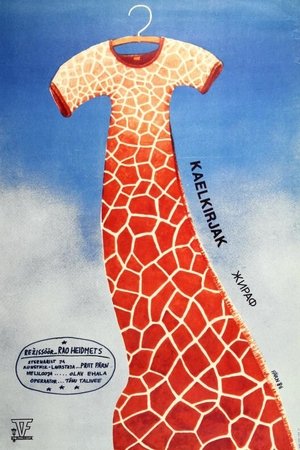


There is only one animal living in the zoo - the giraffe. No one but the little girl goes to see her. To attract visitors, the director of the zoo orders an advertising giraffe. But then it turns out that people are only fascinated by artificial giraffes, they are not interested in a living animal. The general "giraffe boom" begins. The film ridicules the fascination with "mass culture" not from the real and the living, but from the imitation and the artificial.
A best friend that will stick with you to the end, on a group trip from hell, is someone to die for.
Dramatic Horror!!! Wait, what?? Did you say "dramatic horror"?? IS there such a thing?? I mean, TRULY. Well, if San Francisco-based, Pakistani-born independent filmmaker Dr. Hassan Zee and this film critic have anything to say about it, there IS such a beast as experienced through the director's newest feature film set to officially debut October 4th in the City by the Bay. Folks, indie film will always be a bastion of experimentation and originality, and this film for me fits that bill.
Ultimately the problem with The Bubble is that it plays everything for laughs to get around the audience’s defenses. But it comes off like a privileged white male thinking that ridiculing everyone else equally is the road to equality. And it’s not. And it's definitely not funny to pretend that it is.
Elio could be seen as fantastic piece of representation, showing lonely children who feel ostracized that they are not alone. That is, unless you look behind the curtain.
The singer recounts the memories of writing and creating her record-breaking debut album and shares her feelings as a young woman navigating a specific time in her life.