
What We Do in the Shadows (of Our Closet Walls)
There’s enough evidence to insinuate that What We Do in the Shadows is intentionally queer-coded.
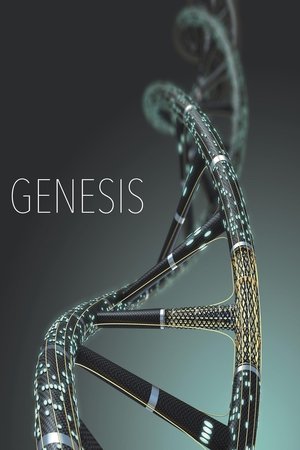


The 1962 Cuban Missile Crisis led to the nuclear exchange between major superpowers. As a result, instead of further development of technology, humankind invested all the resources in genetic engineering. Newborns got improved genes, and in the late 80's the first generation of people with various improvements entered the picture. But there were still those whose genes for some reasons were not improved. In a genetically engineered society, such people became outcasts, placed in clearly marked ghetto areas. The protagonist is an outcast, whose body did not accept genetic improvements. From the very childhood, he tries to fix this using various design tools of his own making. Once he is wrongly accused and enters the fight to clear his name. But it turns out that his home, the entire area of "genetic outcasts" is out on a limb. The protagonist directs his abilities to protect those who cannot protect themselves.
There’s enough evidence to insinuate that What We Do in the Shadows is intentionally queer-coded.
Can a homeless yet optimistic teenage girl learn to accept a helping hand?
An animated reboot based on the book of the same name, with differences from the live-action movie of the same name.
An anti-war film denouncing the valorization of senseless violence, 'All Quiet on the Western Front' is (unfortunately) all too relevant in 2022.
I am an Armenian who has a mild form of epilepsy. I rarely see Armenian culture and epilepsy properly portrayed in film or TV. I delve into the how and why.
If the message here is that without a support system, grieving people turn into monsters, it’s not really well-delivered and may be flawed as a message itself.