




Incluvie – Better diversity in movies.
Identity in film with Incluvie stamps, scores, reviews.

Incluvie – Better diversity in movies.
Explore identity in film with Incluvie stamps, scores, reviews, and insights.

trailer banner
Gedwongen Geloften poster

Gedwongen Geloften 

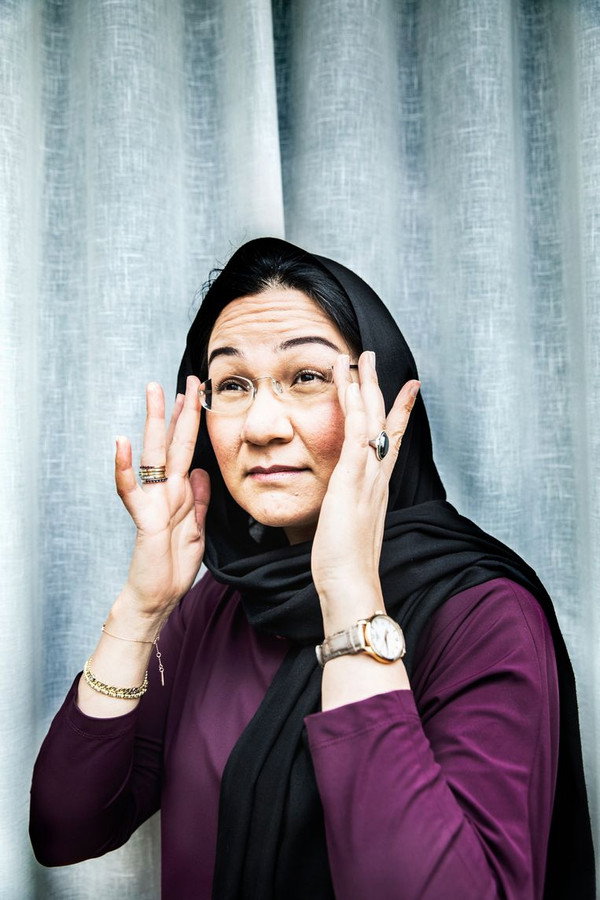
Documentary about sexual violence and forced marriage, focusing on women who were coerced, abducted or imprisoned by their own families. Central figure is Dutch-Pakistani human rights activist Shirin Musa (Femmes for Freedom), tirelessly fighting for their rights.
- / 5
PopScore
Representation

Pictures and Videos


Incluvie Gala

Movie Information


Documentary about sexual violence and forced marriage, focusing on women who were coerced, abducted or imprisoned by their own families. Central figure is Dutch-Pakistani human rights activist Shirin Musa (Femmes for Freedom), tirelessly fighting for their rights.

Rating:
Genre:Documentary
Written By:
In Theaters:
Box Office:

Runtime:54 minutes
Studio:De Haaien

Articles You May Like


Enola Holmes 3 Screws Up Its Main Character and Blows the Worldbuilding

Netflix’s recent Millie Bobby Brown vehicle, Enola Holmes 3, is a disappointing and confusing entry in the stellar Enola Holmes franchise. Directed by Philip Barantini, the film stars Brown as Enola Holmes, estranged sister of Sherlock Holmes, Henry Cavill as Sherlock Holmes, and Louis Partridge as her love interest, Viscount Tewkesbury. While it deserves credit for its exciting action scenes and attempts to expand the diversity of its Dickensian setting, the most recent entry in the series completely scuttles Enola’s underdog status from the first films that made her so charming and gave a touch of realism to the story of a young, unmarried woman living in London while self-employed as a detective.

Jo Moses

The Rise of a Kindhearted Comedy Hero: The Anti-Toxic Masculinity Message of Brendan Fraser Films

Throughout Brendan Fraser’s career, he has played a plethora of unique, layered characters who explore the importance of not being afraid to display your emotions, something that is often seen to not be a masculine trait. This idea of regulating emotion and what traits men are able to possess creates a toxic atmosphere for men who are often told they should not cry or represent their emotions in any physical way. These characters represent that men can be joyful, emotionally conscious, and sensitive, while also representing their masculine identity instead of painting those qualities as fighting against their masculinity.

Amanda Mazzillo