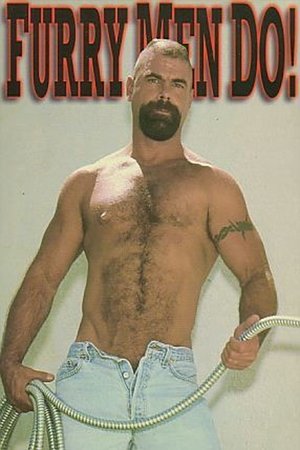
Furry Men Do! (2000)
In "Furry Men Do!", Steve Hurley is a writer of sex fiction who spends hours at his computer spinning carnal tales, much to the chagrin of his boyfriend Hank Hightower.

- / 5
PopScore
Representation
Pictures and Videos

Movie Information
In "Furry Men Do!", Steve Hurley is a writer of sex fiction who spends hours at his computer spinning carnal tales, much to the chagrin of his boyfriend Hank Hightower.
Rating:NC-17
Genre:
Written By:Josh Eliot
In Theaters:1/1/2000
Box Office:
Runtime:82 minutes
Studio:Catalina Video






Articles You May Like
What Netflix's “Shadow and Bone” Gets Right and Wrong with the Books’ Diversity
Netflix’s Shadow and Bone has a complicated relationship with race. It has a diverse cast, but not without its problems. Based on Leigh Bardugo’s two book series, the show features characters from the Shadow and Bone trilogy, which is very straight and white, and the Six of Crows duology, which is much more diverse. When bringing together a cast and writing about these characters, the team behind the show expanded upon some of the representation missing from the first trilogy, then seemed to take away representation from the duology. Shadow and Bone seems to play a bit of a push and pull game when it comes to portraying diversity onscreen.
‘Minari’: Authenticity Without The Trauma Porn
When diverse representation is featured on-screen, it oftentimes comes with strings attached that undermine the message they were trying to send. This can be attributed to the fact that behind-the-screen, the industry primarily does not reflect the breadth of diverse difference that is present in daily life. That’s why when something as powerful and authentic as Minari comes along, it is both incredibly wonderful and needs a large audience to witness it.
'Joker' (2019)
Joker is a compelling, character-driven, psychological tale that has a message behind the madness.
‘Whiplash’ Review: A Relentless Strive for Perfection
As Andrew’s life begins to change, his passion for drumming soon becomes a spiraling obsession in the pursuit of perfection. Through the use of disturbing and abusive training methods, Fletcher puts Andrew through emotional and physical agony.
The Drama: A Marriage of Discomfort and Empathy
This is not a film, it’s a drop tower. A drop tower that you don’t get off of for the vast majority of its 106-minute runtime.