

“Pressure” Puts on the Pressure
Pressure is an unambiguously great movie, lead by convincing performances, a well-crafted script, good direction, and at least some social awareness.
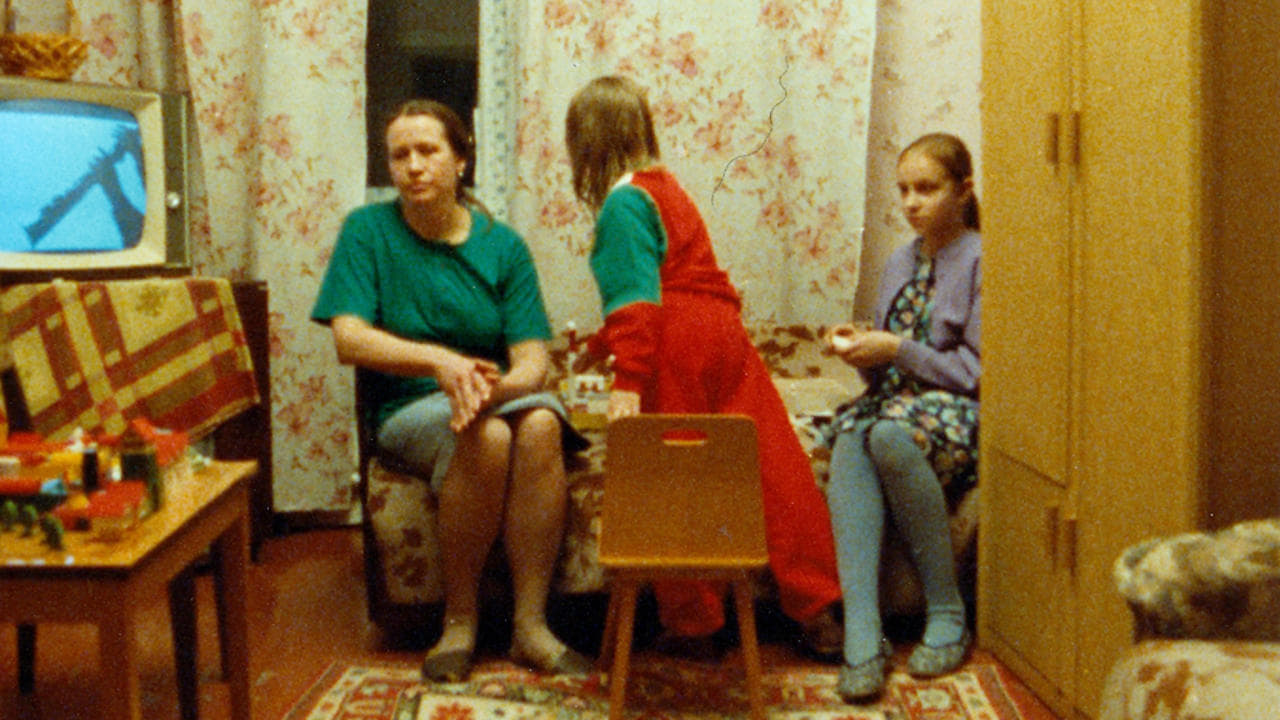
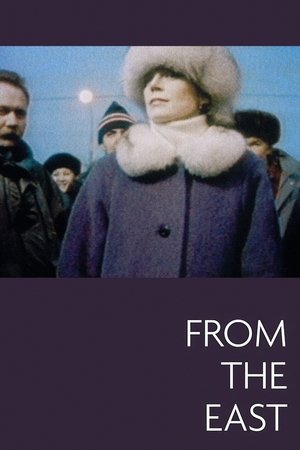


In this incisive dispatch from the newly collapsed Soviet empire, bullet holes from WWII still pockmark the old stone buildings. Akerman journeys from East Germany to Moscow between the late summer and winter of 1993 ('while there’s still time'), chronicling in deliberate tracking shots, circular pans, and domestic tableaux yet another moment of radical upheaval in the 20th-century, the faces and bodies of Poles, Ukrainians, Germans, and Russians weighed down with obedient resignation and uncertainty.
Pressure is an unambiguously great movie, lead by convincing performances, a well-crafted script, good direction, and at least some social awareness.
Stevan Lee Mraovitch’s film is a beautiful tribute to family, found family, and the lengths people will go to support their loved ones.
Many have interpreted Maya Deren’s Meshes of the Afternoon as a dream sequence, but what if the repetitive scenes we are given are not dreams but, a time loop.
Gretel & Hansel falters due to its razor thin story and lack of characterization. It loses sight of horror’s key rule: In order to create an effective tale, characters and emotions must be emphasized.