Writing Great Villains: Why They Shouldn't Be Sympathetic
Writing great villains is about striking a balance between charming and evil, so we love them but also love to see them lose.

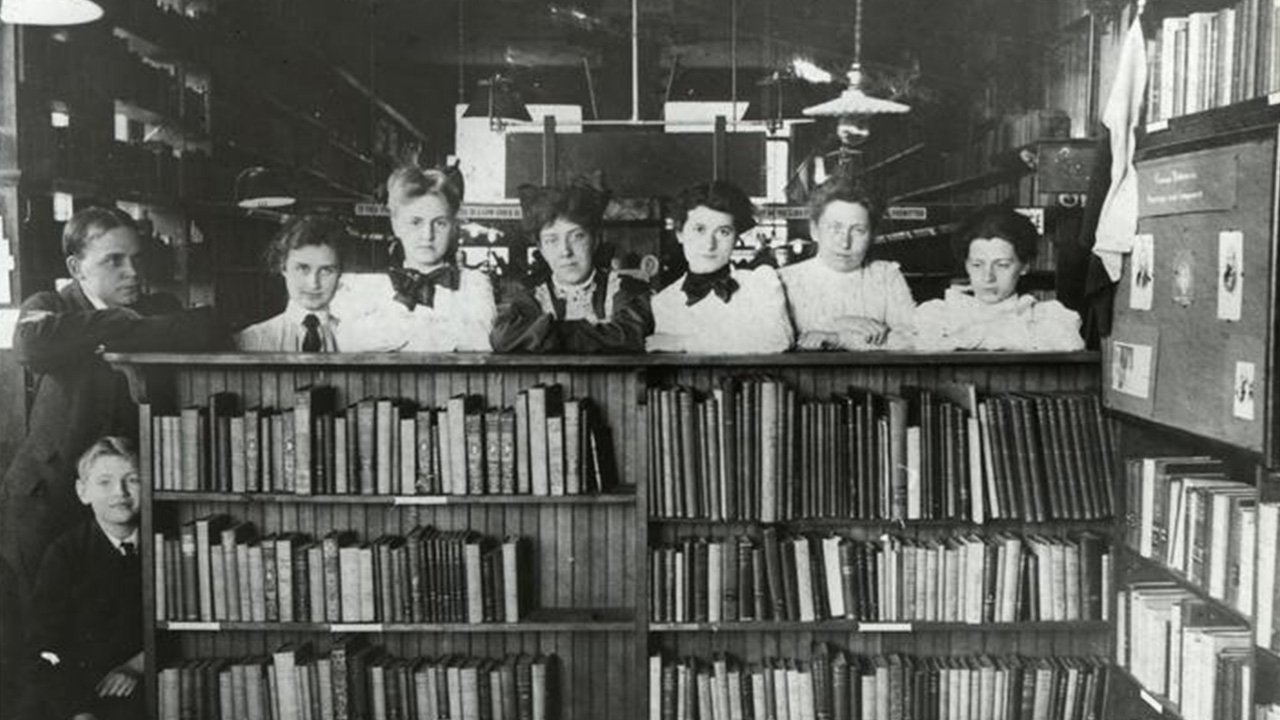
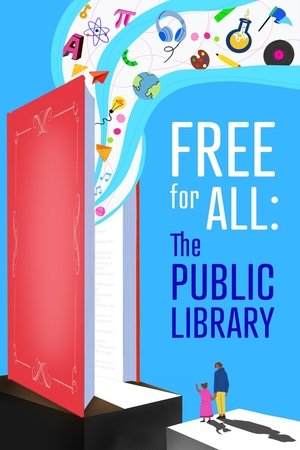
The story of the quiet revolutionaries who made a simple idea of a public library happen. From the pioneering women behind the "Free Library Movement" to today's librarians who service the public despite working in a contentious age of closures and book bans, meet those who created a civic institution where everything is free and the doors are open to all.
Writing great villains is about striking a balance between charming and evil, so we love them but also love to see them lose.
After the untimely death of his brother by way of an ambush in Kandahar, Afghanistan, the protagonist, ‘81’(Alan Ritchson) unsuccessfully makes several attempts to become an Army Ranger. On his last mission to complete the Ranger selection process he and his squad encounter an otherworldly ‘soldier’.
As many of us know, Marvel Studios has taken an interest in women-led superhero films, but some of us are oblivious to the women behind the camera and pen.
The film is a simple love story reminiscent of stories like The Notebook released in 2004. Sylvie and Robert are rarely actually together in the film, however; time and circumstance keep them away from each other, and the audience waits with bated breath to see them find one another over and over.
Gretel & Hansel falters due to its razor thin story and lack of characterization. It loses sight of horror’s key rule: In order to create an effective tale, characters and emotions must be emphasized.