
The 'Secret Magic Control Agency' Gives Us a Twist
A film loosely based on the fairy tale Hansel and Gretel, with major twists to the original story.
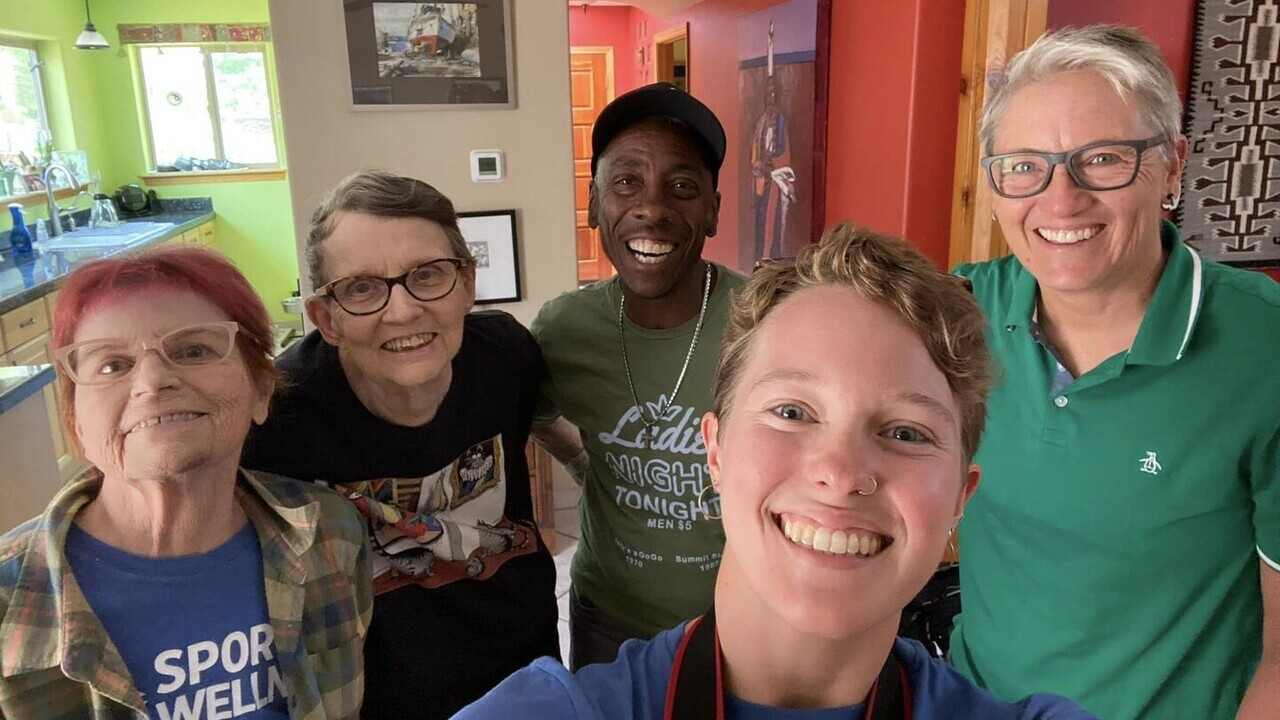
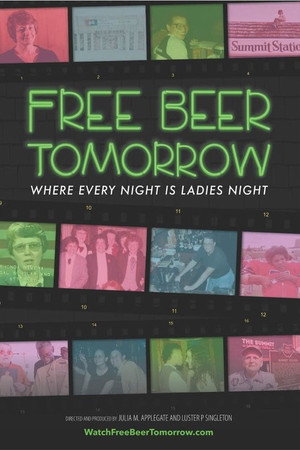


Community is the way people discover their sexuality, feel safe enough to come out, and have an opportunity to truly be themselves. Summit Station, the longest running lesbian bar in Ohio, was one of the places that made this type of community possible. Free Beer Tomorrow documents the history of this cornerstone in LBGTQ+ culture through the stories of people who once frequented it.
I watched this movie as part of Reeling Film Festival, an LGBTQ+ film festival in Chicago. Stay tuned for more queer film reviews coming soon!
So many of the people interviewed for this documentary found it hard to explain just how special Summit Station is to them. They certainly tried, though. Women opened up about their first time visiting the bar and seeing two women dance together. They told stories about the softball teams they played on and the activist groups that formed at 2am around a pitcher of cold beer. In the same way, I can write about just how moving Free Beer Tomorrow is, but it won’t be the same. I can say the film made me emotional, but I’ll never be able to capture exactly why the videos of dykes laughing and drinking together made me tear up.
Part of the magic of the documentary is that the filmmakers, Julia Applegate and LuSter P. Singleton, were frequent patrons of the bar. They didn’t tell a story they’d merely heard about, they told the story of how they became themselves. You can tell how comfortable their interview subjects felt around them for just this reason. Singleton’s laugh or sympathetic noise from behind the camera encouraged the interview subjects to share more, safe in the knowledge that they were talking to someone who understands them.
Free Beer Tomorrow wove together present-day interviews with photos and videos taken at Summit Station. The people interviewed were mostly between the ages of 50 and 80, and it was fascinating to hear about their lives. As a lesbian, I consider it integral to learn about my queer elder’s history, and so I know the 3rd person perspective of what it was like to grow up in that time period. Hearing it first hand, though, and seeing the Columbus lesbian community, was inspiring. These people were hated by the outside world, and rather than crumbling they created a place filled with love. I have so much respect for my lesbian elders and the people who helped create the world we live in today.
Petie Brown, the owner of Summit Station from 1980 until it closed in 2008, was one of the most memorable parts of the film. She isn’t particularly verbose, but it would be wrong to call her shy or soft-spoken. Even through a screen it’s clear how strong she is in her convictions. She fought to create something that lesbians needed, and then she continued to fight to keep it around. In the 70s and 80s, queer people were more persecuted than they are today. Police would raid gay bars, searching for reasons to arrest or beat the people inside. To go to a gay bar, let alone own one, was an act of bravery.
Because I saw this film at Reeling, I attended a short post-film Q&A with some of the people integral to making the movie a reality. The filmmakers are open about the fact that they’re not experts in their craft. They made a documentary because it’s a subject that’s important to them and, in Singleton’s words, “lesbians get shit done.” They clearly hired people (such as videographer Mallory Golski) who studied their craft, and because of that Free Beer Tomorrow doesn’t feel like an amateur work. Instead, it feels like something created with deep passion and knowledge of the material.

A documentary film project that tells the story of Jack’s/Summit Station, Ohio’s longest running lesbian owned and operated bar. With interviews from Peter Brown-a classically trained musician turned bar owner- to pioneering LGBTQ+ lawyer and legal scholar, Rhonda R. Rivera, and former patrons running the gamut of tap dancers, professional women’s football players, feminist activists, bartenders and drag kings, the film explores lesbian culture in an era where bars were one of the few safe-havens from an oppressive and homophobic world.
A film loosely based on the fairy tale Hansel and Gretel, with major twists to the original story.
This Halloween movie is a remake of the 2003 movie of the same name with Black representation.
Inspiring and diverse animated series for the whole family.
'The Menu' has a strong story. The 5 acts, which are defined by the courses, are an excellent subversion of the classic 5-act film structure.
Fire Island is the more inclusive film of the two with the bi-phobic definition of pansexuality in The Thing About Harry and its obvious lack of colour on screen
At Coopers Chase, murder isn’t just tragedy—it’s Thursday’s entertainment. Chris Columbus’ The Thursday Murder Club transforms Richard Osman’s bestselling series into a cozy, clever whodunit where Helen Mirren, Pierce Brosnan, Ben Kingsley, and Celia Imrie prove that life’s sharpest twists don’t stop with age. With llamas on the lawn, cakes at the ready, and secrets around every corner, this star-powered mystery balances charm, humor, and heartache, reminding us that friendship, resilience, and reinvention might just be the ultimate clues.