








Incluvie – Better diversity in movies.
Identity in film with Incluvie stamps, scores, reviews.

Incluvie – Better diversity in movies.
Explore identity in film with Incluvie stamps, scores, reviews, and insights.

trailer banner
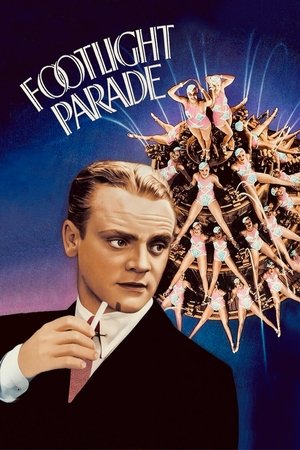
Footlight Parade poster

Footlight Parade (1933)

A fledgling producer finds himself at odds with his workers, financiers and his greedy ex-wife when he tries to produce live musicals for movie-going audiences.
5.0 / 5
PopScore
Representation

Incluvie Movie Reviews


Jimmy J
February 22, 2022
5.0 / 5
PopScore

Early Feminism Shown in 'Footlight Parade' (1933)

Footlight Parade is an American pre-Code musical film released in 1933 starring James Cagney, Joan Blondell, Ruby Keeler, and Dick Powell. It was directed by Lloyd Bacon and written by Manuel Seff and James Seymour and features stunning musical numbers by the amazing Busby Burkley. The story centers on Chester Kent (Cagney) and his secretary Nan Prescott (Blondell) in a rapidly-failing industry of creating “prologues”, which are short stage productions that prefix a movie and are basically an effort to keep live shows breathing when cinema is all anybody cares about. Staying relevant in a quickly evolving media atmosphere is made worse when an insider begins stealing their ideas and selling them to rival companies. It's a stellar production with outstanding musical numbers and features the knock-out pairing of Cagney and Blondell, who also teamed up in Sinner's Holiday (1930), Blonde Crazy (1931), The Crowd Roars (1932), and more. Footlight Parade is exciting, racy, and funny. Although its Cluvie rating had to be bumped down because of the unfortunate portrayal of yellowface in the last scene of the film. Chester and Nan’s relationship is purely professional. Except for the moments when they act like the closest of friends. She’s a partner and confidant – not a sex object. She isn’t eyed-up, flirted with, or even playfully teased in a sexual way. Nan and Chester have late nights together brainstorming stage ideas where they’re up until the sun rises, slurping coffee and half-asleep…and nothing amiss happens. Chester respects all of Nan’s thoughts, ideas, and suggestions, often going to her when he’s hopelessly out of his mind. In an amazing show of early feminism, he treats her like a person and doesn’t show a hint of “Me, Too”. And it isn’t like Chester isn’t interested in women. He isn’t portrayed as a character that only cares about his work and doesn’t have time for girls. Quite the opposite, as he spends the film following Nan’s old friend around like a drunk puppy dog in love.
[read more]

Pictures and Videos


Incluvie Gala

Movie Information


A fledgling producer finds himself at odds with his workers, financiers and his greedy ex-wife when he tries to produce live musicals for movie-going audiences.

Rating:NR
Genre:Comedy, Music
Directed By:Lloyd Bacon
Written By:Manuel Seff, James Seymour, Peter Milne
In Theaters:10/21/1933
Box Office:$2,416,000
Runtime:104 minutes
Studio:Warner Bros. Pictures

Articles You May Like


Who Needs 'Independence Day' When You've Got 'Sorry to Bother You'?

Sorry to Bother You ultimately speaks to the unfair advantages that the country’s power structures award to those with the resources to control others, as Lift’s easy access to the media allows his opinion to be the only one that matters in the eyes of the unsuspecting and easily impressed public. Moreover, it reveals the extent to which the American Dream has any true validity. It postulates how the promise of success and fulfillment as promoted by the American Dream more often than not leads to the undoing of the individual. Interestingly, in its revealing of the American Dream as merely a facade, Sorry to Bother You wisely questions whether or not anything can really be done to undo a system that has been accepted and in action for centuries.

Matt Geiger