







'Monster High: The Movie' (2022)
This Halloween movie is based on the toy line of the same name.

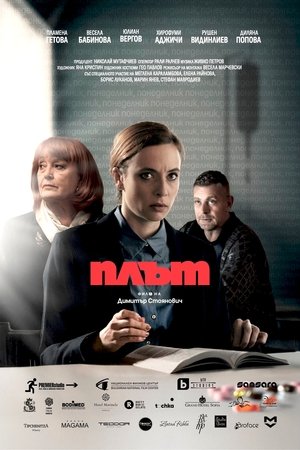


Nadezhda Stoyanova is a renowned translator from Japanese and a university professor at the peak of her career and experience when she learns that she has a tumor. She finds out together with her daughter Evgenia, a host on the most-watched television channel. Both believe that the illness will be cured and that their lives will not change drastically - Evgenia continues her routine television work, while Nadezhda begins translating what is considered an untranslatable Japanese novel by Nobel laureate Yukio Kobayashi, titled Flesh. But they are both mistaken. Nothing will ever be the same again, because it is precisely the flesh—the inescapable human flesh—that has the final word.
This Halloween movie is based on the toy line of the same name.
As a frequent “the book was better” extoller, this movie was well worth the watch.
One Christmas Eve, after a sudden snowstorm, a group of teenagers will discover how their lives will change forever.
There were too many irrelevant parts that could have been shortened, and too many characters that didn't advance the plot. Either way, some things didn't add up. This was just another played out plot with little, if any, originality in it. By the end of the film, I wasn't happy that she finally got her freedom, I was happy that it was finally over.
Disney has kept its word and allowed a new generation of Black and/or African storytellers to tell their own original stories. The question remains, will the public keep their word?
Joel Coen has gone solo to create perhaps the greatest version of Shakespeare's 'Macbeth' since Shakespeare himself.