




"Yuri On Ice" Made Me Believe In Love Again
'Yuri!!! on Ice' turned queerbaiting on its head and gave me hope when I needed it the most.
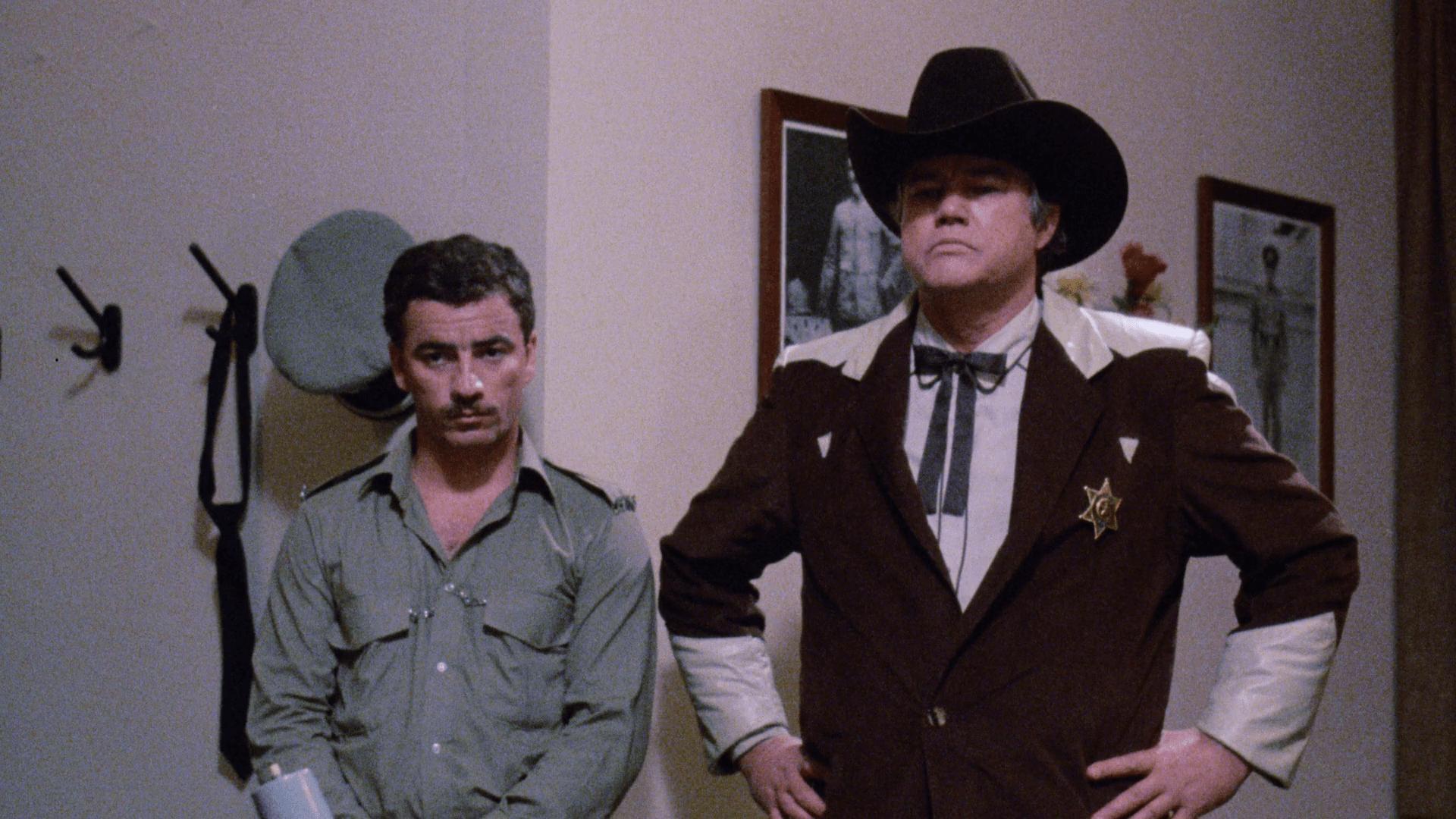
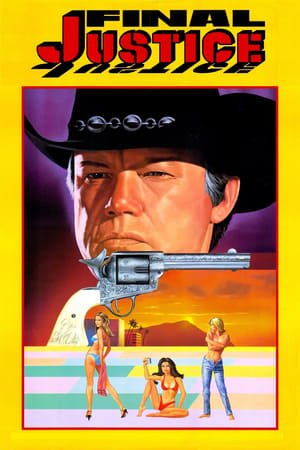


Due to his violent past, Deputy Sheriff Thomas Jefferson Geronimo III has been transferred to a rural outpost. When two thugs kill the sheriff, Geronimo shoots one, and the other vows revenge. The thug turns out to be a mob boss, and the court orders Geronimo to extradite him back to Sicily. When their plane is hijacked, the adversaries find their roles reversed.
'Yuri!!! on Ice' turned queerbaiting on its head and gave me hope when I needed it the most.
As I typed this, Chris Evans was being “cancelled” on Twitter. I did a little research on this since I always thought Chris Evans was well-received. It turns out the backlash is because of a white savior movie he made called Red Sea Diving Resort.
The Slumber Party Massacre wonderfully combines the suspense of its horror with its commentary on gender, creating a memorable slasher classic that began a horror trilogy entirely written and directed by women.
Han's turn to villainy in 'Frozen' was foreshadowed cleverly in the story.
The thing is, people like Wahlberg will only apologize if they have something to lose, which he did. His glamorous life, his reputation, and his career were all at stake.
In Spike Lee’s She’s Gotta Have It (1986), we follow the love life of powerful female protagonist Nola Darling (Tracy Camilla Johns) and explore the relationship dynamics she has with her partners. She sees three men simultaneously: Greer Childs, (John Canada Terrell) Mars Blackmon (Spike Lee), and Jamie Overstreet (Tommy Redmond Hicks). Though an 80’s film, She’s Gotta Have It is surprisingly progressive with its themes of female sexuality, although at some points in the film it is handled clumsily. Overall Nola is an incredibly compelling character especially for modern women, as we as a society acknowledge female sensuality more and more without the negative stigma.