


Joyfully Chaotic, 'Why Don't You Play in Hell?' is a Must-See
If you enjoy Japanese cinema, absurdly violent action films, gangster flicks, or joyfully strange cinema, 'Why Don’t You Play in Hell?' is a must-see.
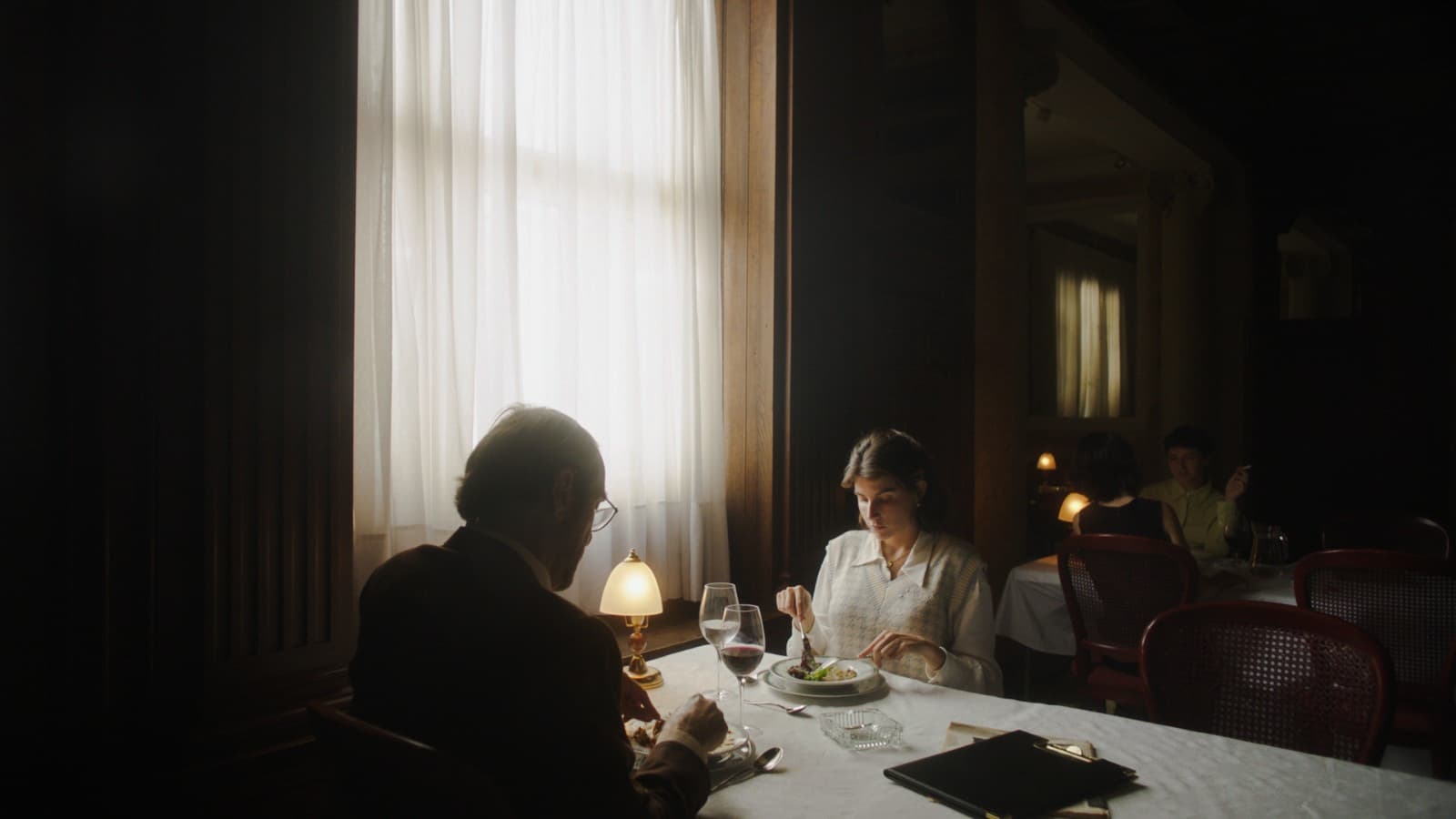



Alexandra has been playing tennis for as long as she can remember. After years of training under the instructions of her father, Julio (a retired tennis player who intends to relive his victories through his daughter), she has become one of the most promising junior tennis players in the Spanish circuit. During one of the most important tournaments of the 1978 season, the increasing pressure from her father will exert on and off the court will begin to affect her mental health. With the arrival of adolescence and the questions it brings, Alex will realize that, perhaps, this is not her destiny.
If you enjoy Japanese cinema, absurdly violent action films, gangster flicks, or joyfully strange cinema, 'Why Don’t You Play in Hell?' is a must-see.
'Jungle Cruise' is fun if you can ignore the racism of the ride it’s based on and the film’s bland, stereotypical characters.
A Girl Walks Home Alone At Night, though its feminism may be unintentional, cannot exist without its focus on women reclaiming power. The movie is feminist by definition, even if Amirpour didn’t write it with that in mind. A Girl Walks Home Alone At Night is mesmerizing, poetic, and stunning, both for its portrayal of feminist ideas and its powerful story that is both horrific and subtly romantic at once.
The justice system in the United States of America is supposed to operate as you are deemed innocent until proven guilty. But "When They See Us" shows what happens for Black people is they are deemed guilty until proven innocent.
The film does not add anything to its own conversation or genre, and falls flat once it’s about to end and must declare some sort of conclusion.
This film’s ambition is betrayed by its lack of substance.