





Incluvie – Better diversity in movies.
Identity in film with Incluvie stamps, scores, reviews.

Incluvie – Better diversity in movies.
Explore identity in film with Incluvie stamps, scores, reviews, and insights.

trailer banner
Female Boss Hooker poster

Female Boss Hooker 

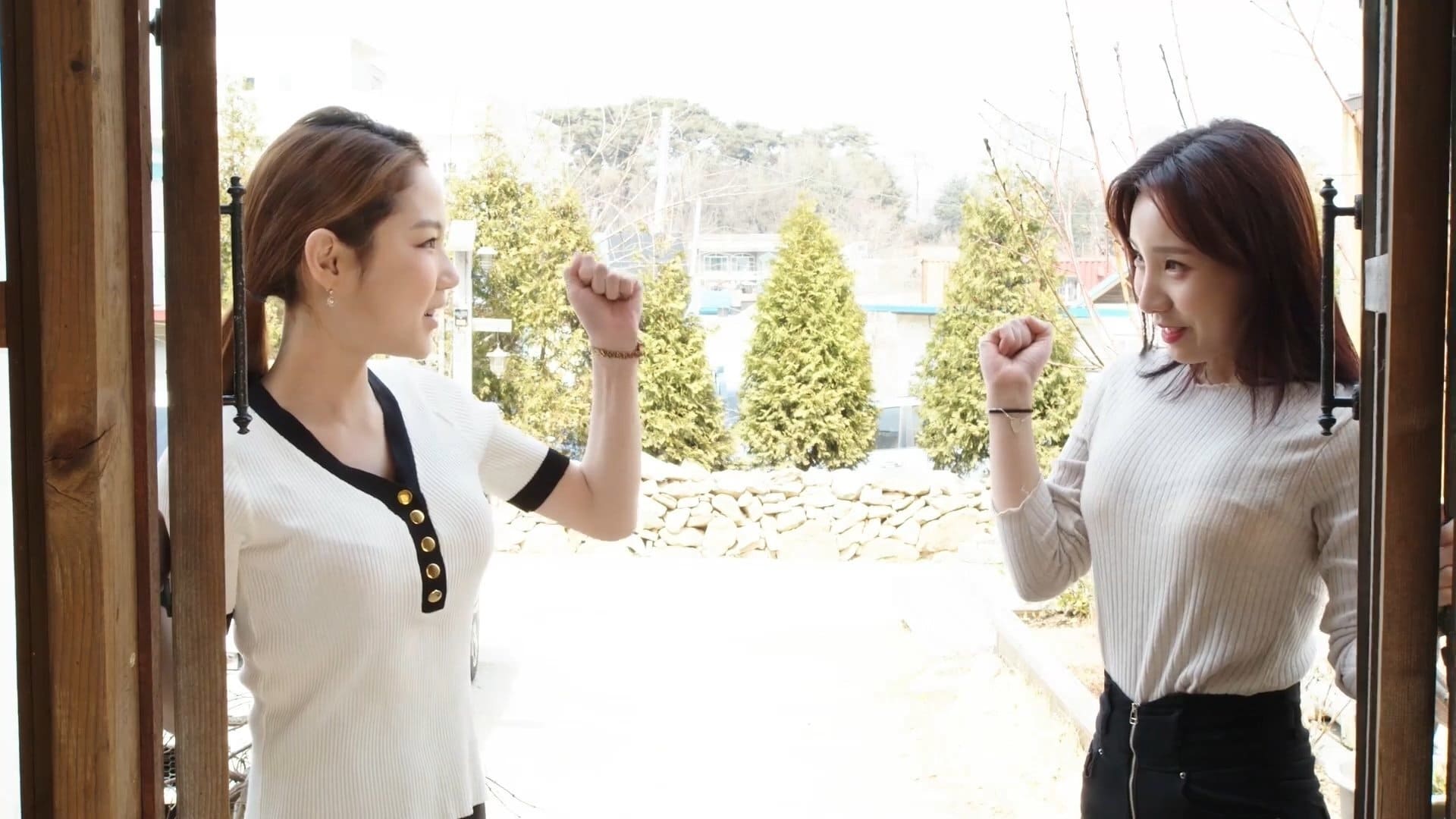
Ji-cheol is a job seeker who only plays and eats, and is the boyfriend of Eun-je who runs a small store. Meanwhile, Joong-hoo, a hikikumori, became a regular after accidentally seeing Eun-je in the store. She is mistaking her kindness for her affection for herself. Joong-hoo started stalking her SNS every day. In the end, after approaching Eun-je with an innocent face, he succeeds in locking up Eun-je. As Eun-je disappears and the money supply is cut off, Ji-cheol is eager to find Eun-je. Ji-cheol, who is sad about money rather than worrying about Eun-je's safety, tries to lure Mi-seon out of her pocket money. Eun-je, who saw the scene of these two people's affair through a hidden camera, disarms Joong-hoo while drinking with him, thinking that she should somehow get out of there. Eun-je eventually escapes. Feeling empty without Eun-je, Joong-hu confines Mi-Seon, who ignored him. Three months later, someone came to Joong-hu's house and then…
- / 5
PopScore
Representation

Pictures and Videos


Incluvie Gala

Movie Information


Ji-cheol is a job seeker who only plays and eats, and is the boyfriend of Eun-je who runs a small store. Meanwhile, Joong-hoo, a hikikumori, became a regular after accidentally seeing Eun-je in the store. She is mistaking her kindness for her affection for herself. Joong-hoo started stalking her SNS every day. In the end, after approaching Eun-je with an innocent face, he succeeds in locking up Eun-je. As Eun-je disappears and the money supply is cut off, Ji-cheol is eager to find Eun-je. Ji-cheol, who is sad about money rather than worrying about Eun-je's safety, tries to lure Mi-seon out of her pocket money. Eun-je, who saw the scene of these two people's affair through a hidden camera, disarms Joong-hoo while drinking with him, thinking that she should somehow get out of there. Eun-je eventually escapes. Feeling empty without Eun-je, Joong-hu confines Mi-Seon, who ignored him. Three months later, someone came to Joong-hu's house and then…

Rating:
Genre:Drama, Romance
Directed By:Han Dong-Ho
Written By:
In Theaters:
Box Office:

Runtime:76 minutes
Studio:

Articles You May Like


What Netflix's “Shadow and Bone” Gets Right and Wrong with the Books’ Diversity

Netflix’s Shadow and Bone has a complicated relationship with race. It has a diverse cast, but not without its problems. Based on Leigh Bardugo’s two book series, the show features characters from the Shadow and Bone trilogy, which is very straight and white, and the Six of Crows duology, which is much more diverse. When bringing together a cast and writing about these characters, the team behind the show expanded upon some of the representation missing from the first trilogy, then seemed to take away representation from the duology. Shadow and Bone seems to play a bit of a push and pull game when it comes to portraying diversity onscreen.

Daleyna

"She’s Gotta Have It” was Ahead of the Curve in Portrayal of Female Sexuality

In Spike Lee’s She’s Gotta Have It (1986), we follow the love life of powerful female protagonist Nola Darling (Tracy Camilla Johns) and explore the relationship dynamics she has with her partners. She sees three men simultaneously: Greer Childs, (John Canada Terrell) Mars Blackmon (Spike Lee), and Jamie Overstreet (Tommy Redmond Hicks). Though an 80’s film, She’s Gotta Have It is surprisingly progressive with its themes of female sexuality, although at some points in the film it is handled clumsily. Overall Nola is an incredibly compelling character especially for modern women, as we as a society acknowledge female sensuality more and more without the negative stigma.

Andrea Amoroso