Trans Representation Through Disney’s 'Mulan'
Mulan had to struggle to feel like herself and see herself properly. Some of us have to strive to have our reflection mimic what’s inside. We have to crawl. We have to fight.
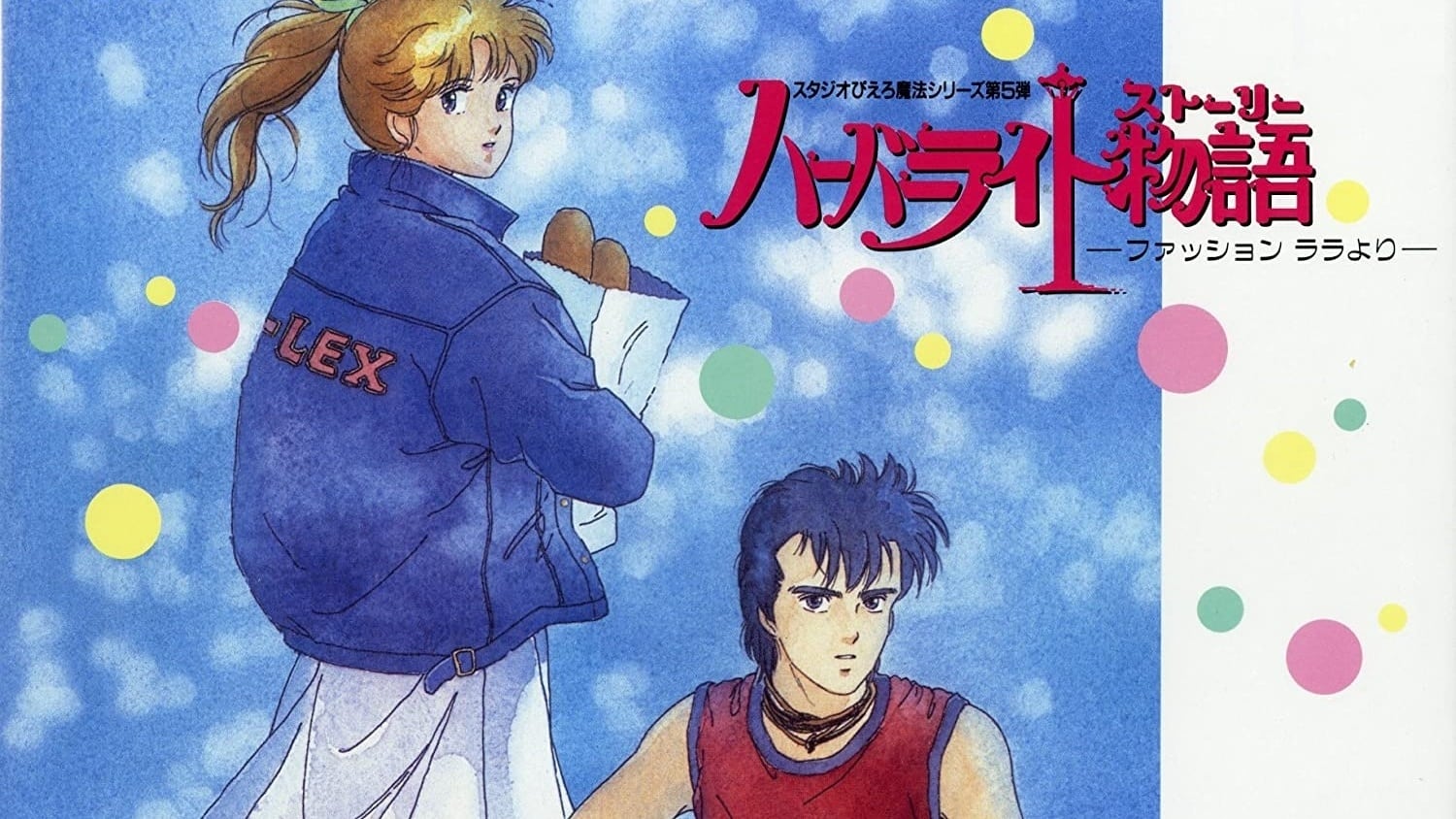
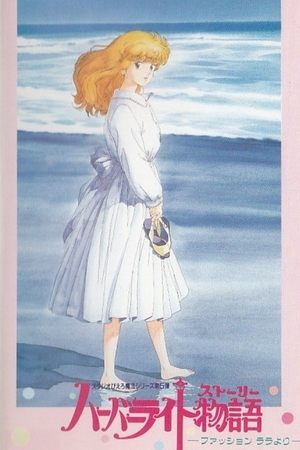


Eleven-year-old Miho wants to be a fashion designer and is eager to make a dress for her little sister, Shuri, to help her win the Dancing Queen contest. When Miho's stupid aunt ruins the dress, the Fairies of Fanland hear her prayer and transform her into the 16-year-old-old Lala, a top designer

Motosuke Takahashi
Director

Yuriko Yamamoto
Miho / Fashion Lala (voice)

Eriko Hara
Shuri (voice)

Kazuhiko Inoue
Kid (voice)

Sanae Miyuki
Pigu (voice)

Tomoko Maruo
Mogu (voice)

Gara Takashima
Aunt (voice)

Ginzo Matsuo
Big Guy (voice)

Manami Komori
Marie (voice)

Naoko Matsui
Erina (voice)

Takeshi Kusao
Boy (voice)
Yumi Nagahata
Girl (voice)
Mulan had to struggle to feel like herself and see herself properly. Some of us have to strive to have our reflection mimic what’s inside. We have to crawl. We have to fight.
Strangers in a crowd, exchanging glances, looking away, continually managing to run into each other then part ways, end up at the same diner, find they've rented the exact same vehicles, and are then made to travel together to learn once more whether they can both find genuine adoration and companionship again. This really does, in so many words, sum up the foundational gist of of this new feature film from writer Seth Reiss ("The Menu") and director Kogonada ("The Acolyte", "After Yang"). Yet, it's all only the set-up for the REAL wonder of everything that happens before, during, and in the aftermath of a magical, meaningful journey.
Growing up is a challenge for everyone.
The gentle, emotional nuances of Evan’s coming-of-age story would have been so beneficial to have incorporated into the life of a POC character. Showing a Black, Asian or Latino young man that is afforded the space to be vulnerable, flawed and sensitive while driving a compelling and widely-loved narrative would have been a game changer.
WandaVision is already proving to be a huge success.
A historic documentary about the iconic Disney character gives viewers a glimpse into animation.