



'Tom & Jerry': A Live-Action Cat-And-Mouse Chase
A cat-and-mouse chase that will make viewers nostalgic for the cartoon series.
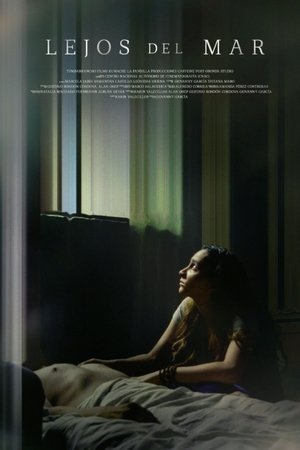


Roxana, a young Venezuelan woman exiled in Mexico City, defies the law when her father dies in a boarding house, and tries to convince Hilda, the landlady, not to report it to the authorities. Hilda faces the dilemma of helping her or getting into trouble. Roxana’s determination almost convinces her, but her fear is stronger. Alone, in an unknown country, Roxana has to part with her father’s body, her only family
A cat-and-mouse chase that will make viewers nostalgic for the cartoon series.
CODA' is about a child of deaf adults torn between staying with her parents and her dreams of pursuing music. This film is a step forward for deaf representation and disability in movies despite negative messages about the burden of actors deaf deafness.
That gut-wrenching feeling you have while watching it is okay but needed, and you, the viewer, will be okay.
This Disney Pixar movie is based on the elements air, fire, water, and earth.
For many people, Disney+’s debut show, The Mandalorian, was a breath of fresh air for the Star Wars universe. The Disney Gallery shows audiences how that show came to be.
Airplane! (1980) is a fun spoof comedy with lots of laughs, right? I watched this film for the first time the other night. I loved it. Then came the racist jokes.