




Incluvie – Better diversity in movies.
Identity in film with Incluvie stamps, scores, reviews.

Incluvie – Better diversity in movies.
Explore identity in film with Incluvie stamps, scores, reviews, and insights.

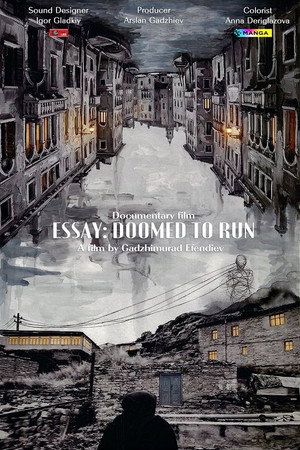
Essay: Doomed to Run poster

Essay: Doomed to Run 

Deeply personal cinematic journey between two worlds—Catholic Venice and Islamic Dagestan. Inspired by Joseph Brodsky’s essay *Watermark* and Merab Mamardashvili’s lectures on those “doomed to run,” I craft a film-essay about identity, the ache of existing between cultures, and the endless search for home. Through fragments of daily life and raw, intimate phone calls with my mother, I try to make sense of living on the border—between faiths, eras, wars, and pandemics.
- / 5
PopScore
Representation

Pictures and Videos


Incluvie Gala

Movie Information


Deeply personal cinematic journey between two worlds—Catholic Venice and Islamic Dagestan. Inspired by Joseph Brodsky’s essay *Watermark* and Merab Mamardashvili’s lectures on those “doomed to run,” I craft a film-essay about identity, the ache of existing between cultures, and the endless search for home. Through fragments of daily life and raw, intimate phone calls with my mother, I try to make sense of living on the border—between faiths, eras, wars, and pandemics.

Rating:
Genre:Documentary
Written By:
In Theaters:
Box Office:

Runtime:

Studio:

Articles You May Like


"She’s Gotta Have It” was Ahead of the Curve in Portrayal of Female Sexuality

In Spike Lee’s She’s Gotta Have It (1986), we follow the love life of powerful female protagonist Nola Darling (Tracy Camilla Johns) and explore the relationship dynamics she has with her partners. She sees three men simultaneously: Greer Childs, (John Canada Terrell) Mars Blackmon (Spike Lee), and Jamie Overstreet (Tommy Redmond Hicks). Though an 80’s film, She’s Gotta Have It is surprisingly progressive with its themes of female sexuality, although at some points in the film it is handled clumsily. Overall Nola is an incredibly compelling character especially for modern women, as we as a society acknowledge female sensuality more and more without the negative stigma.

Andrea Amoroso