"The World to Come": A Stunning Period Romance
Mona Fastvold’s nineteenth century lesbian romance is emotionally charged, restrained, and poetic without feeling forced.
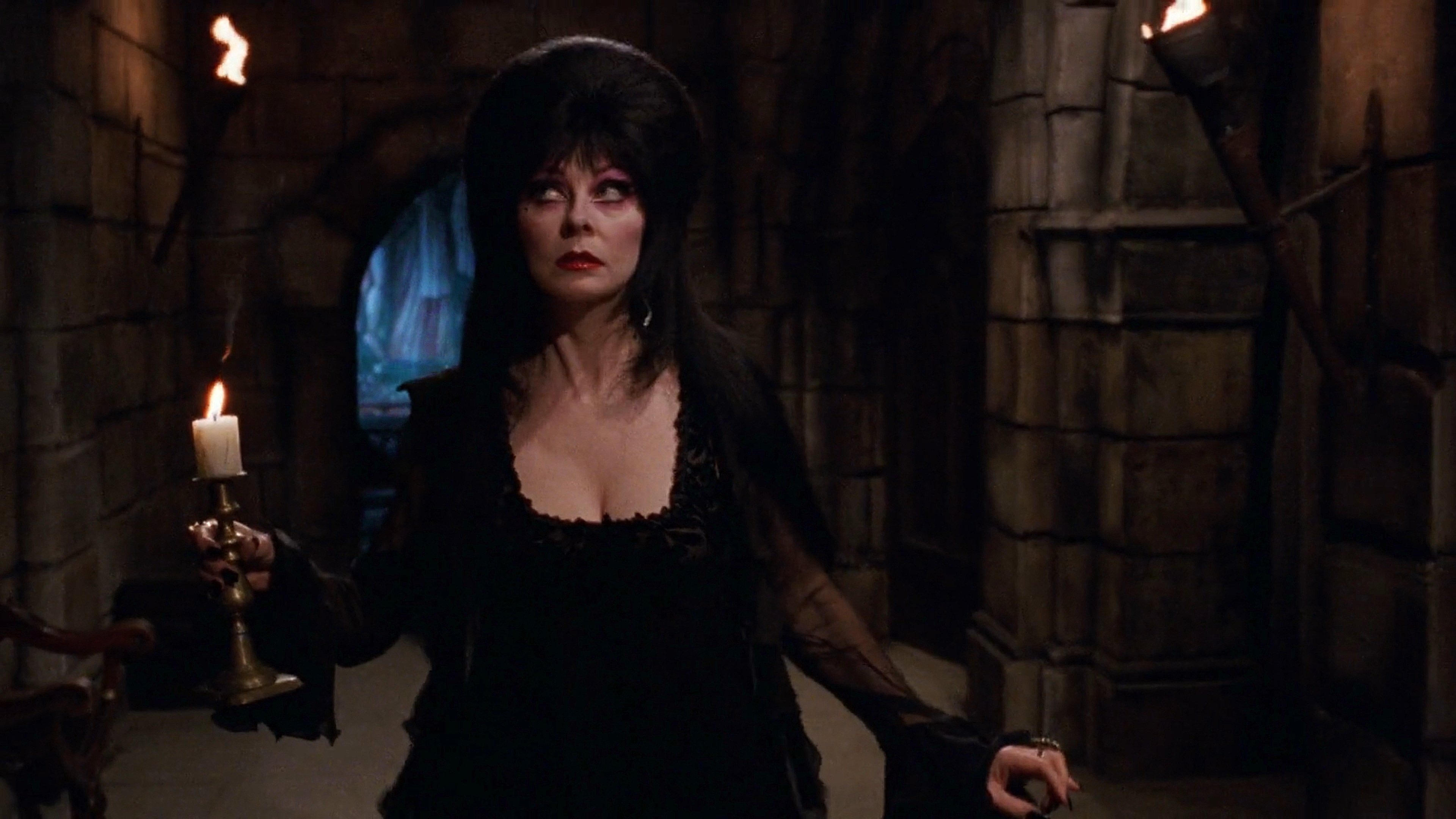
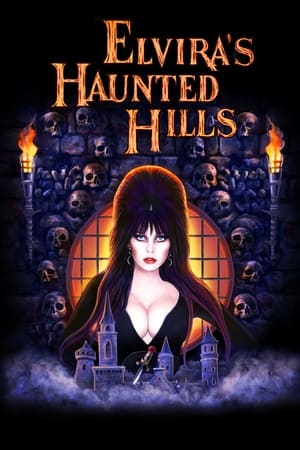


The setting is Carpathia. The year is 1851. When Elvira gets kicked out of an Inn for a slight monetary discrepancy, she is rescued by a local who takes her to stay at the castle in the hills high above the village. The fact that she happens to resemble the count's former "missing" wife opens a can of worms or two.

Sam Irvin
Director

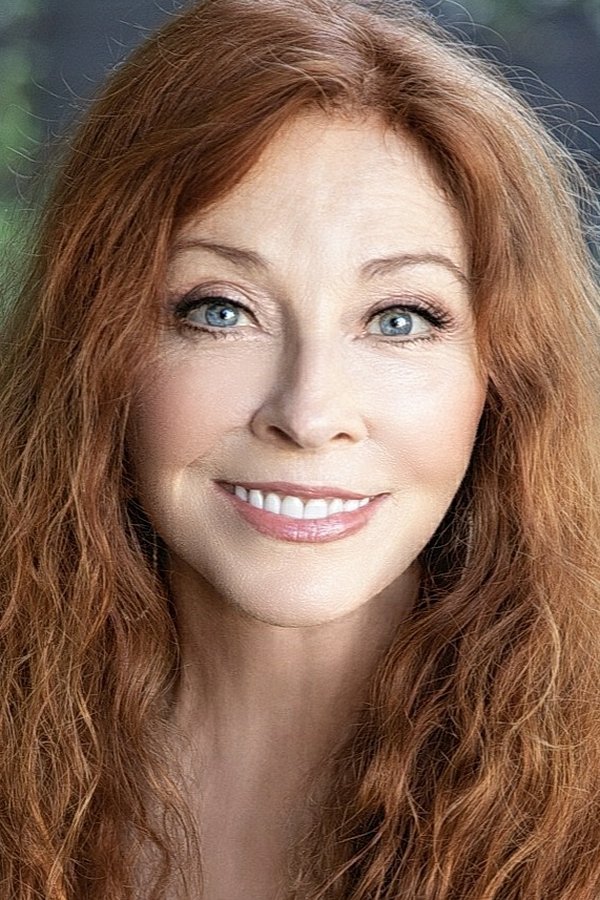
Cassandra Peterson
Elvira, Mistress of the Dark

Mary Jo Smith
Zou Zou
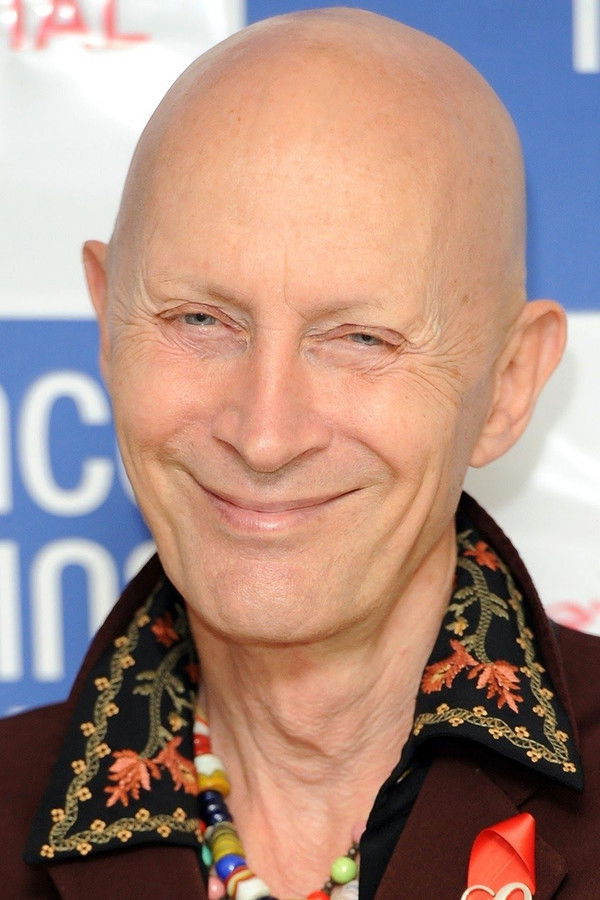
Richard O'Brien
Lord Vladimere Hellsubus
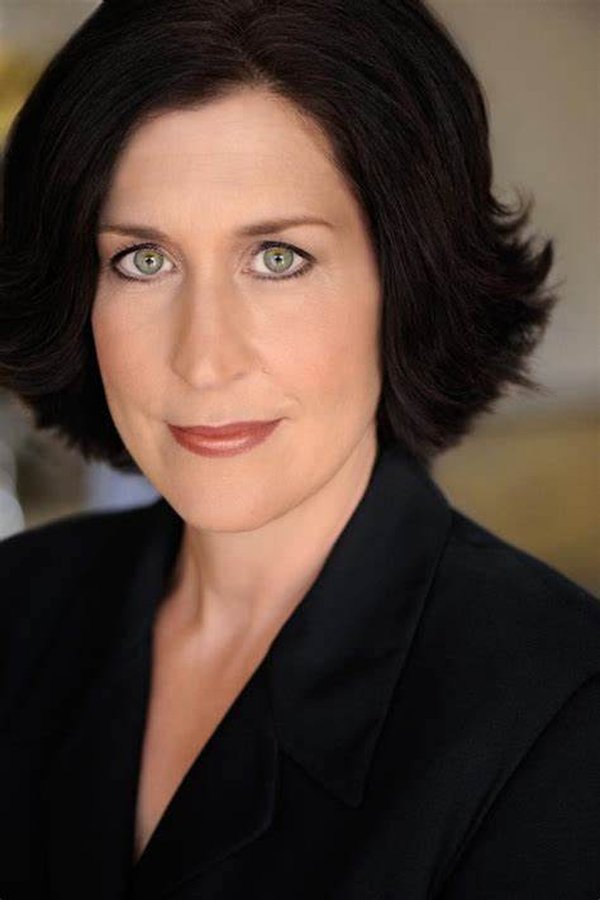
Mary Scheer
Lady Ema Hellsubus

Scott Atkinson
Dr. Bradley Bradley
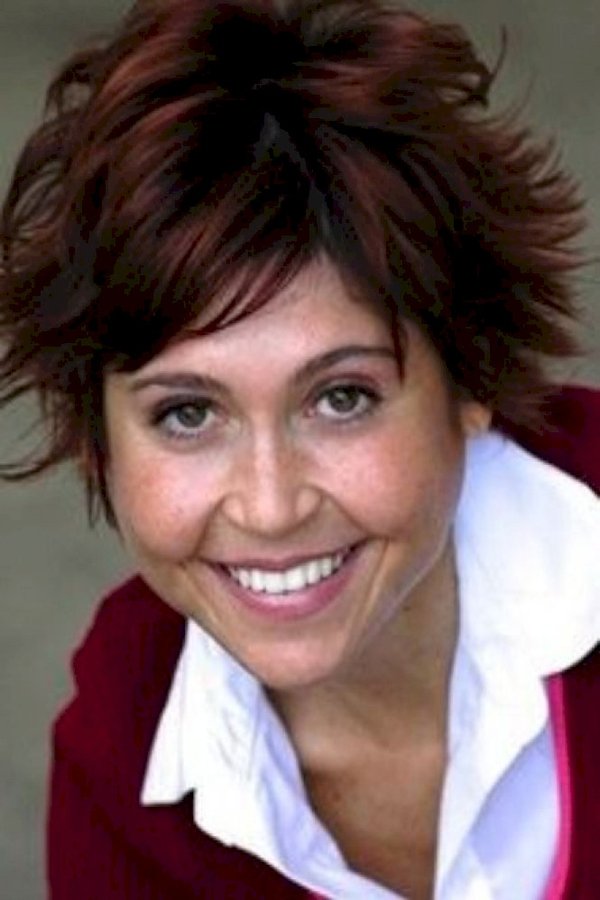
Heather Hopper
Lady Roxanna Hellsubus
Gabi Andronache
Adrian
Jerry Jackson
The English Gentleman
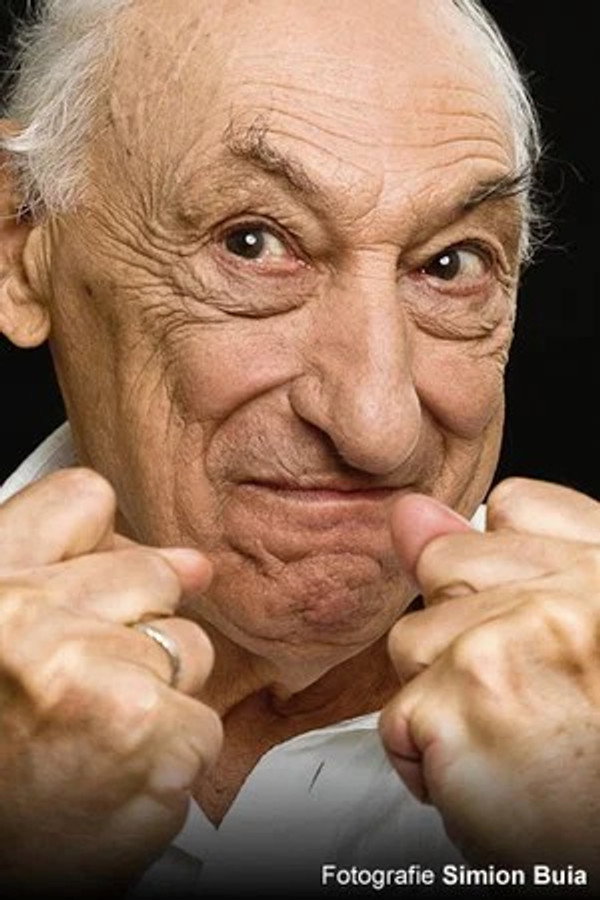
Theodor Danetti
The Innkeeper
Lucia Maier
The Maid
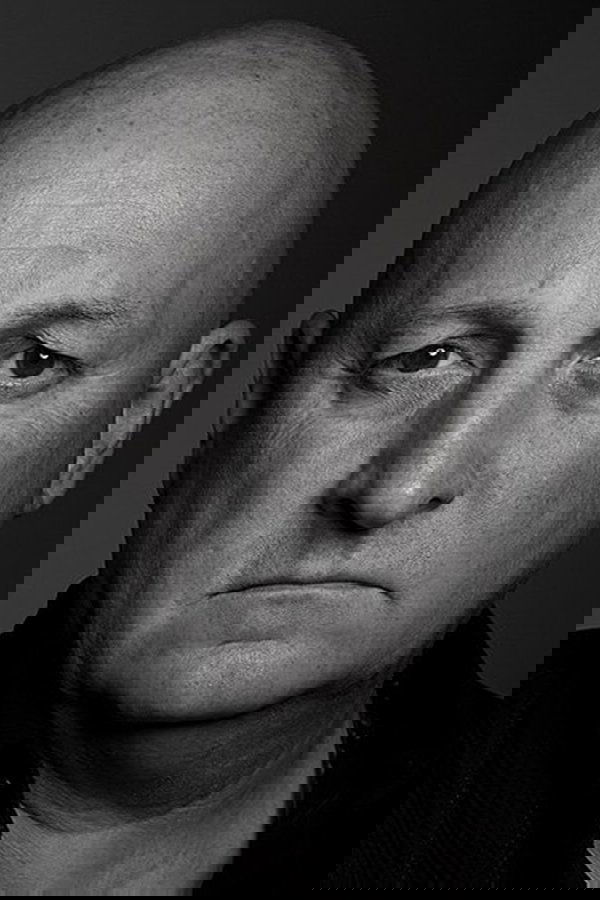
Constantin Cotimanis
The Coachman
Mona Fastvold’s nineteenth century lesbian romance is emotionally charged, restrained, and poetic without feeling forced.
A short film that begins with the language of romance but slowly reveals something far more unsettling beneath the surface.
‘The Bear’ Season 2 has all the right ingredients for both comedy and drama.
Yes, Asia is actually quite a large hub for amazing horror films even to this day, some people just never notice! Well, I'm here to change that. It's time to not let those words at the bottom of the screen scare you but instead be scared by some of the best horror you never knew about.
Shudder’s Host (not a particularly original title, I must say) attempts to bring the spooks to “the quarantine generation” by presenting us with a scary Zoom call during lockdown.
Baggage’s experimental mixed formats visualized a woman’s brave inner journey of visiting the museum of her fragmented memories.