

‘Little Boxes’ Had Good Intentions, But...
In 'Little Boxes," an interracial family moves to an all-white town where they face the judgement of others who have never been exposed to people of color before.
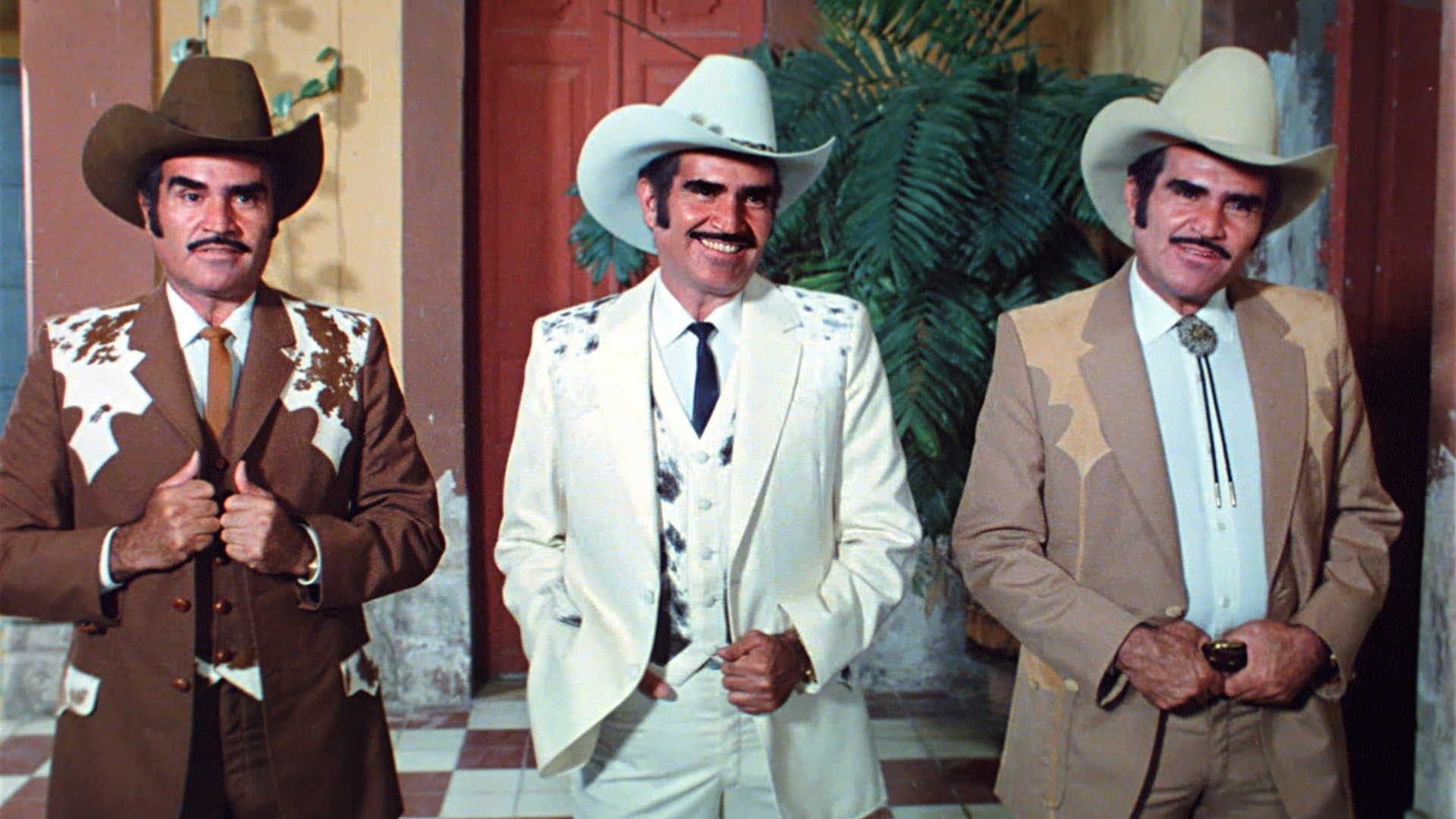
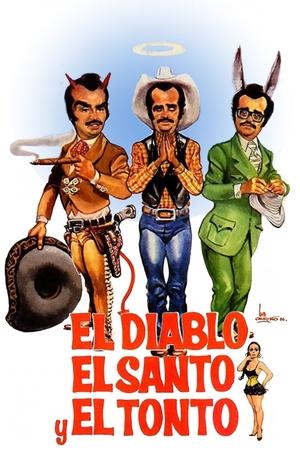


When rancher, Don Trinidad is on his deathbed, he confesses to his fumbling son Rogelio, that he has two other illegitimate sons and that he wishes them to be included in his will. When Rogelio tracks them down, he discovers that each of them has a completely different life.
In 'Little Boxes," an interracial family moves to an all-white town where they face the judgement of others who have never been exposed to people of color before.
Sorry to Bother You ultimately speaks to the unfair advantages that the country’s power structures award to those with the resources to control others, as Lift’s easy access to the media allows his opinion to be the only one that matters in the eyes of the unsuspecting and easily impressed public. Moreover, it reveals the extent to which the American Dream has any true validity. It postulates how the promise of success and fulfillment as promoted by the American Dream more often than not leads to the undoing of the individual. Interestingly, in its revealing of the American Dream as merely a facade, Sorry to Bother You wisely questions whether or not anything can really be done to undo a system that has been accepted and in action for centuries.
Can a homeless yet optimistic teenage girl learn to accept a helping hand?
A refreshing twist is that all the kids’ powers are…kind of useless. There’s a kid who can only move in slow motion, a kid who has every power in the world but can only use them randomly, and our main character Missy who has no powers at all. The thesis of the film seems to be that it doesn’t matter what kind of powers you have, its the way you use them, which is good for the warm and fuzzies.
"Hustlers" returns power to groups that are traditionally deprived of it: women, the working class, and sex workers.