Rallies and Musical Numbers: Hairspray Unpacks Racism in The 1960s
The multifaceted musical represents America in the 1960s and the battle against bigotry as an ensemble cast portrays how to fight for the limelight.
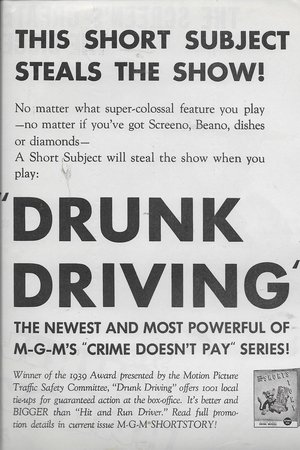


In this Crime Does Not Pay series entry, John Jones is an up and coming businessman who drinks too much but denies he has a problem. One day he mixes drinking and driving, and the tragic consequences hit very close to home.

David Miller
Director

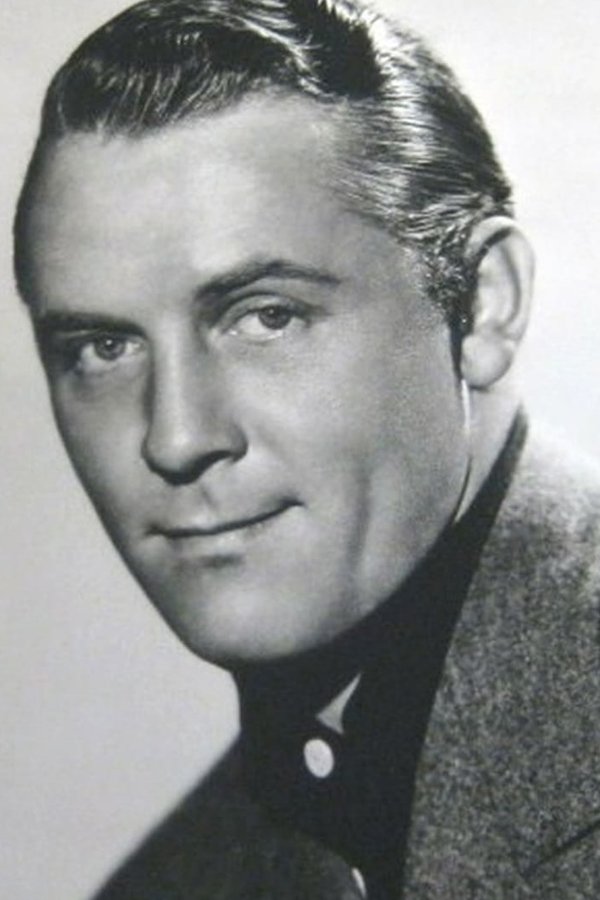
Dick Purcell
John Jones

Jo Ann Sayers
Mrs. Jones

Richard Lane
Rick

Granville Bates
Mr. Jenks (uncredited)

John Dilson
Doctor (uncredited)
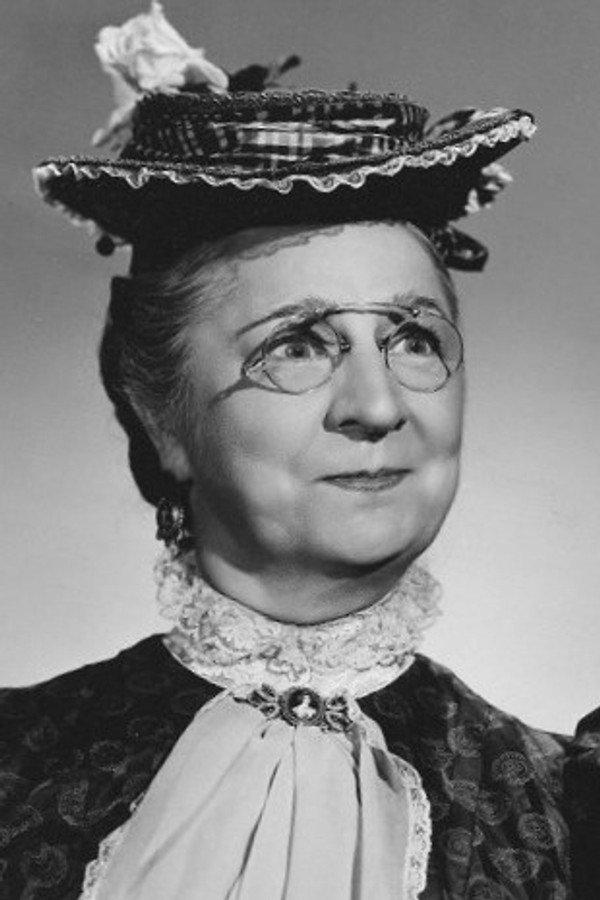
Sarah Edwards
Driver (uncredited)
Harrison Greene
Refrigerator Customer (uncredited)
Robert Haines
Lab Tech (uncredited)
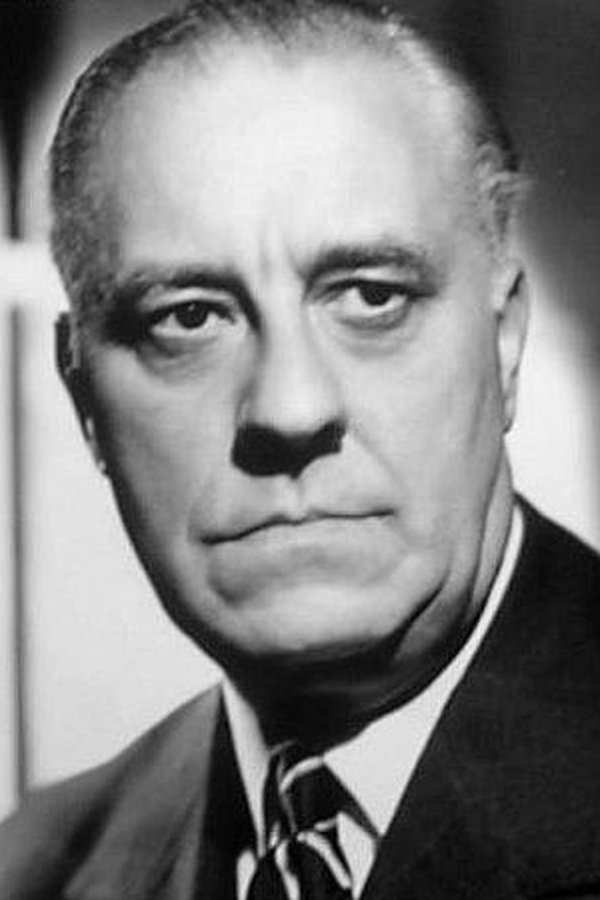
Robert Middlemass
Inspector Doyle (uncredited)
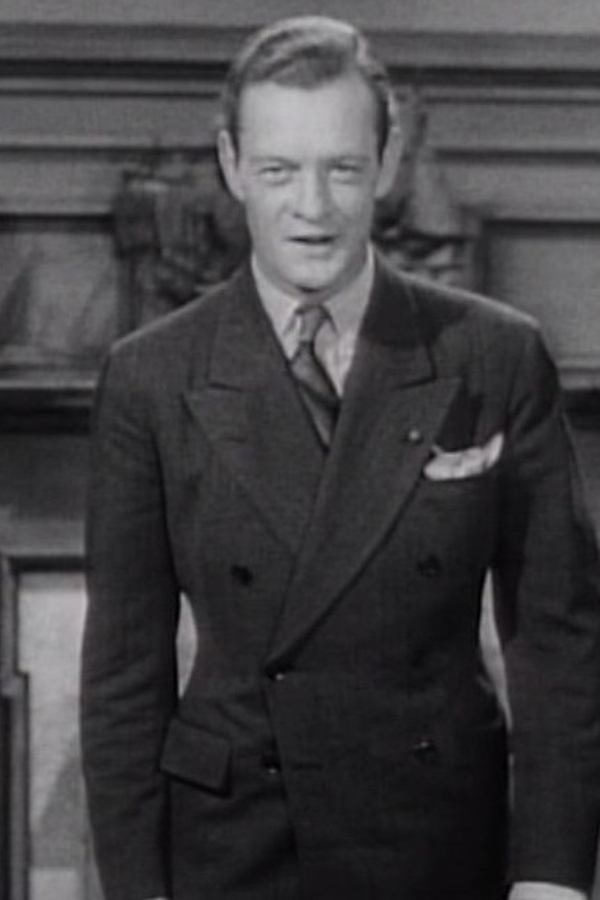
Phillip Trent
MGM Crime Reporter (uncredited)

Eddy Waller
Slow Driver (uncredited)
The multifaceted musical represents America in the 1960s and the battle against bigotry as an ensemble cast portrays how to fight for the limelight.
As many of us know, Marvel Studios has taken an interest in women-led superhero films, but some of us are oblivious to the women behind the camera and pen.
A Black woman centered in a box office rom-com with a happy ending and no struggle love.
Sorry to Bother You ultimately speaks to the unfair advantages that the country’s power structures award to those with the resources to control others, as Lift’s easy access to the media allows his opinion to be the only one that matters in the eyes of the unsuspecting and easily impressed public. Moreover, it reveals the extent to which the American Dream has any true validity. It postulates how the promise of success and fulfillment as promoted by the American Dream more often than not leads to the undoing of the individual. Interestingly, in its revealing of the American Dream as merely a facade, Sorry to Bother You wisely questions whether or not anything can really be done to undo a system that has been accepted and in action for centuries.
This is a list of seven films that explore police brutality and systemic racism made by Black filmmakers. These are important movies to watch and to take in, as — through the power of cinema — they showcase what it feels like to be a Black person living in a country that is internally designed to be against you.
Korean culture shines in this Canadian export.