

‘WandaVision’ in Color: Spoiler-Free Recap of Episode 3
Episode 3, entitled “Now in Color,” brings us to the 1970s — a decade full of vibrancy, color, and total mayhem.
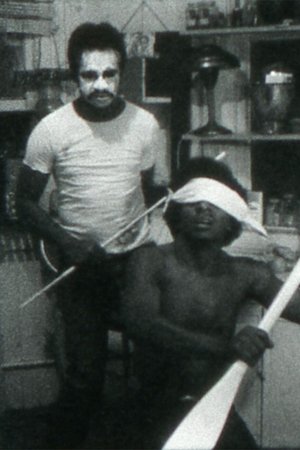


A singular cinematic figure, San Francisco’s Mike Henderson became one of the first independent African-American artists to make inroads into experimental filmmaking in the 1960s. Henderson’s work throughout the 1970s and 1980s, from which this program of 16mm films is culled, thrums with a sociopolitical, humorous sensibility that lends his small-scale, often musically kissed portraits (which he later dubbed “blues cinema”) a personal, artisanal quality. - Film Society of Lincoln Center. Preserved by the Academy Film Archive in 2016.
Episode 3, entitled “Now in Color,” brings us to the 1970s — a decade full of vibrancy, color, and total mayhem.
Viewers get a glimpse of life of mediocrity in a world where humans and cartoon characters live together in this comeback.
In Deaf, the Spanish director Eva Libertad explores pregnancy and motherhood from the perspective of a deaf woman. Her movie examines how the world imposes the notion of disability on her main character while she actually does not feel disabled herself.
An animated reboot based on the book of the same name, with differences from the live-action movie of the same name.
By undermining the appeal and credibility of black characters, the show compromises the very idea of diversity and representation it sets to promote.
One of the great achievements of this film is its ability to challenge the mind and to force you to try to process information in a different way than you’re used to.