“A Girl Walks Home Alone At Night”: A Powerful Look At the Exploitation of Women
While the director didn't set out to make a feminist film, "A Girl Walks Home Alone At Night" reads as a reclamation of female power in a patriarchal society.
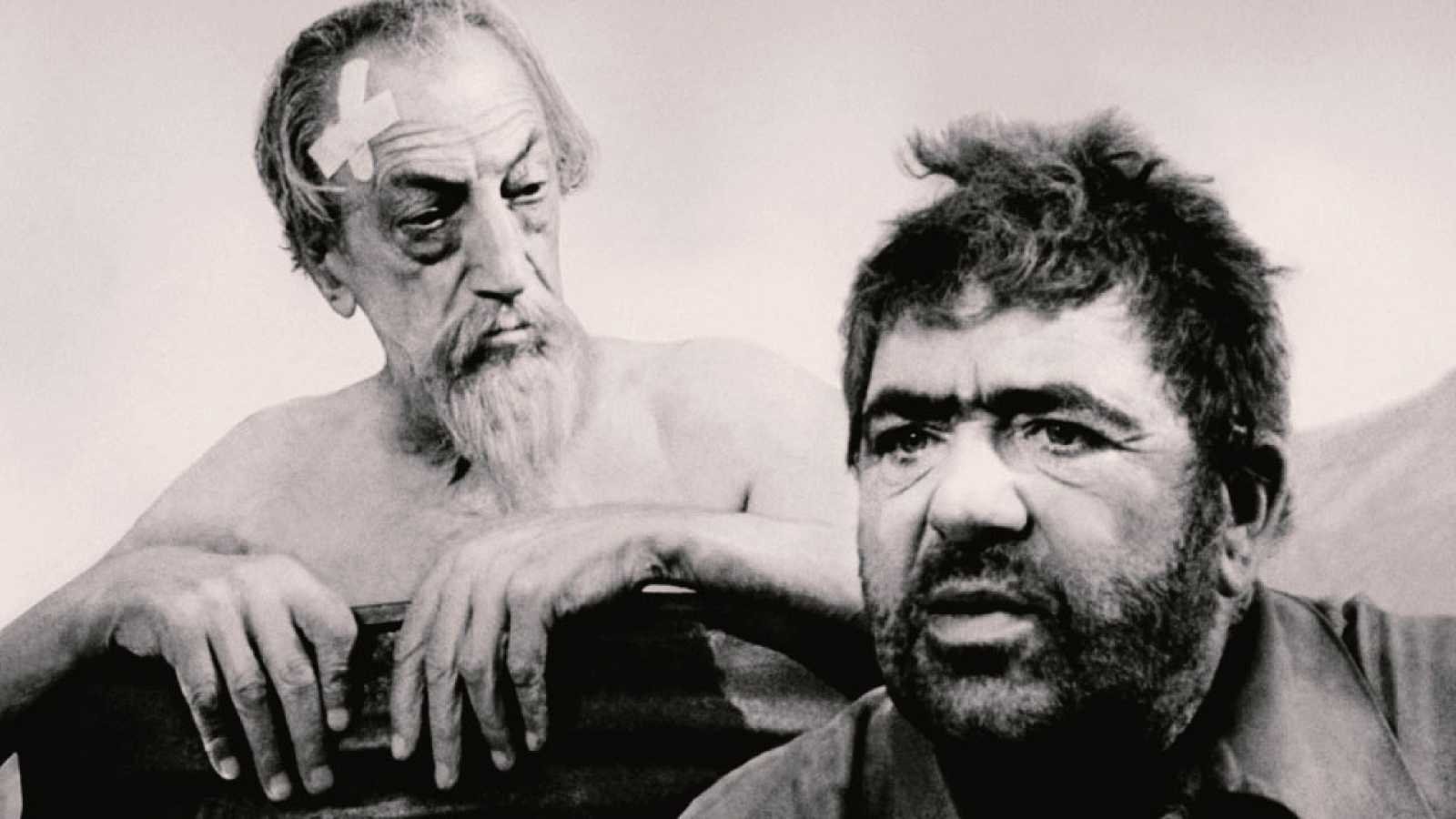
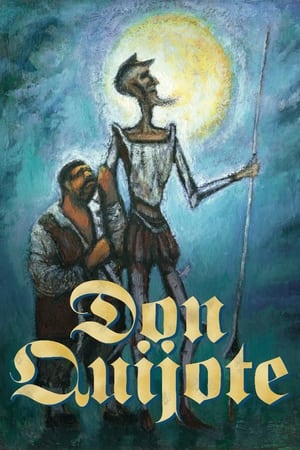


A posthumous 1992 reconstruction of Orson Welles’s long-unfinished Don Quixote project, edited by Jesús Franco from footage shot between 1957 and 1972, following Don Quixote and Sancho Panza as they wander modern Spain in pursuit of chivalric ideals. (Note: This version represents a later editorial assembly, not a film completed by Welles.)

Orson Welles
Director


Francisco Reiguera
Don Quijote
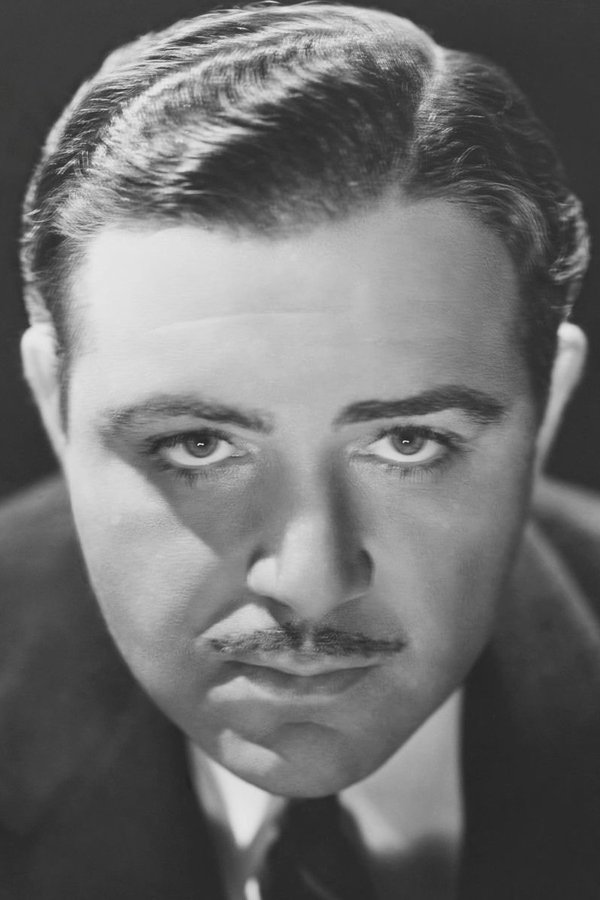
Akim Tamiroff
Sancho Panza
Orson Welles
Self

Pepe Mediavilla
Don Quijote (voice)
Juan Carlos Ordóñez
Sancho Panza (voice)
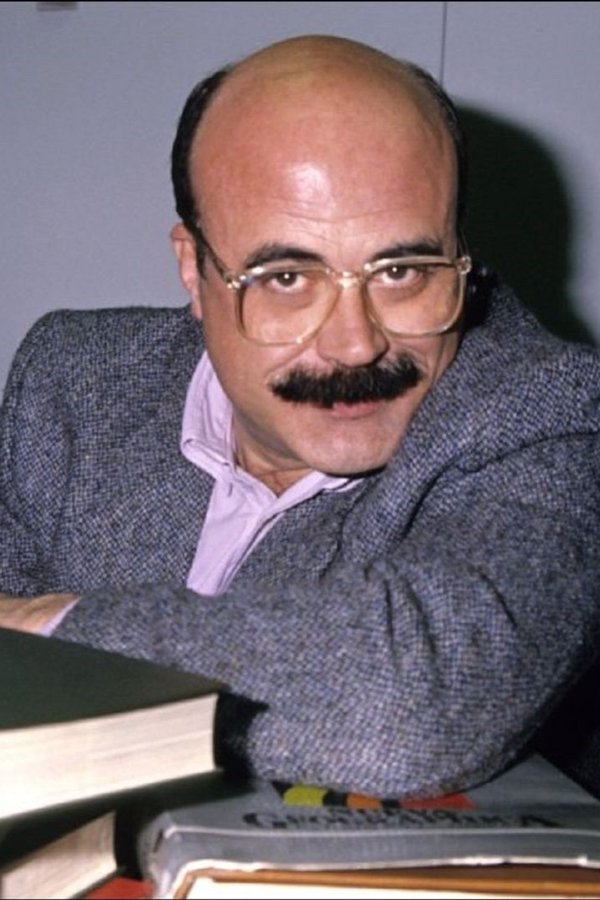
Constantino Romero
Narrator (voice)
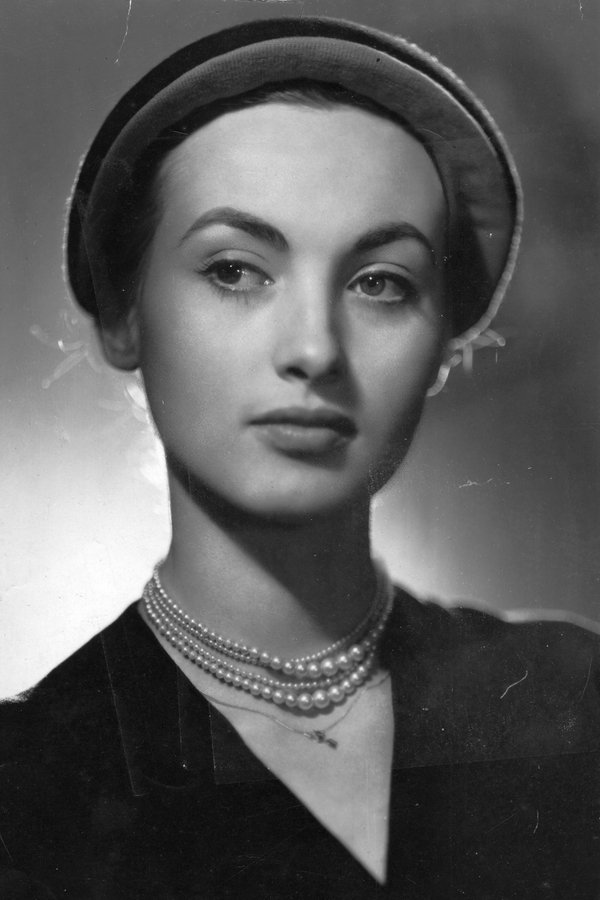
Paola Mori
Woman on Motorscooter (archive footage)
Juan Serrano
(archive footage)

Beatrice Welles
(archive footage)
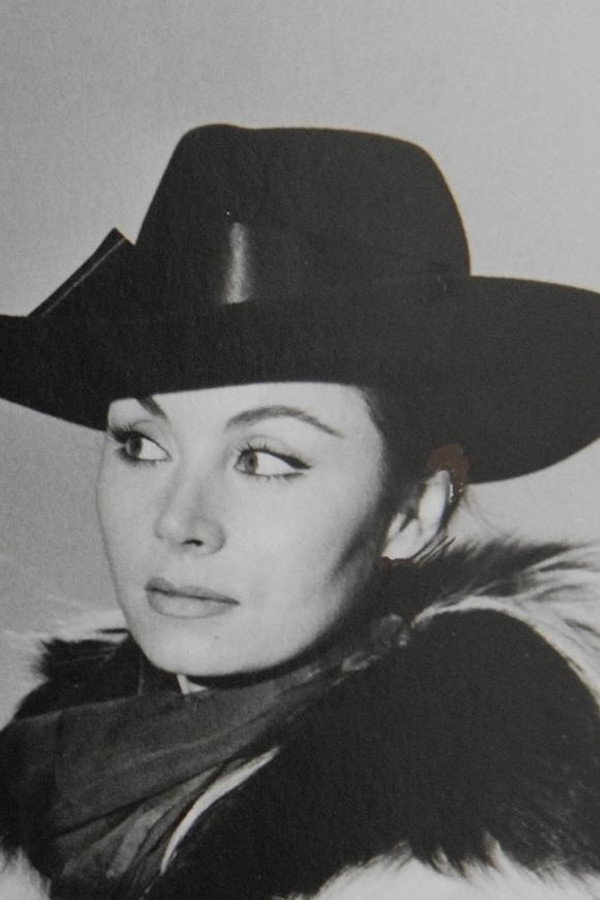
Oja Kodar
(archive footage)
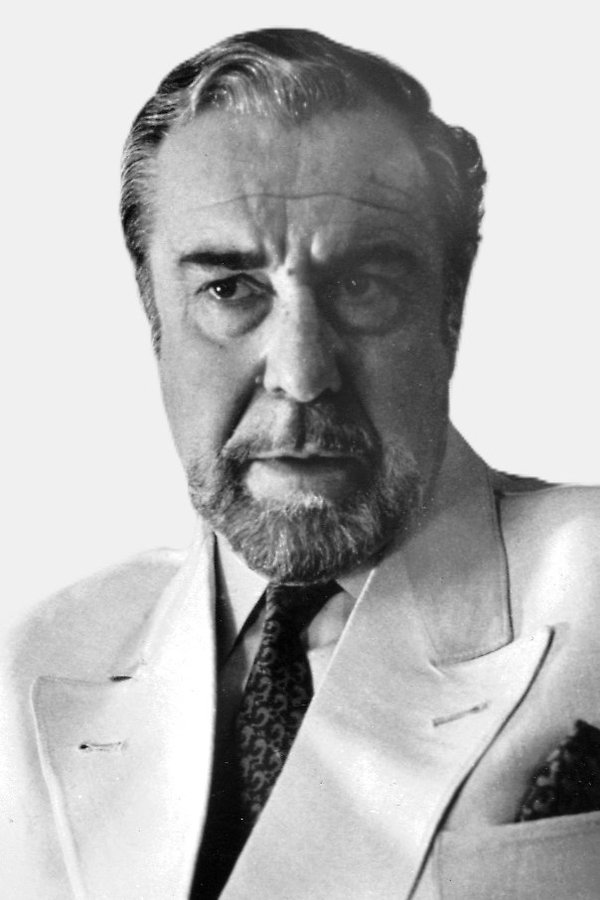
Fernando Rey
Closing Scene Narrator (voice) (uncredited)
While the director didn't set out to make a feminist film, "A Girl Walks Home Alone At Night" reads as a reclamation of female power in a patriarchal society.
Set against the backdrop of the Jim Crow era, the film offers layered representation.
In Spike Lee’s She’s Gotta Have It (1986), we follow the love life of powerful female protagonist Nola Darling (Tracy Camilla Johns) and explore the relationship dynamics she has with her partners. She sees three men simultaneously: Greer Childs, (John Canada Terrell) Mars Blackmon (Spike Lee), and Jamie Overstreet (Tommy Redmond Hicks). Though an 80’s film, She’s Gotta Have It is surprisingly progressive with its themes of female sexuality, although at some points in the film it is handled clumsily. Overall Nola is an incredibly compelling character especially for modern women, as we as a society acknowledge female sensuality more and more without the negative stigma.
Anna May Wong was a talented actress and a fashion icon and still had to fight for everything she had due to hatred and racism.
Whether you like cinema classics, sketch comedy, or science fiction, HBO Max has something for you! Check out our top picks for diversity and representation.