







'Easy A' Is Pretty Anti Sex
'Easy A' is emblematic of a world that liked to sarcastically pretend it was progressive but wasn’t actually ready for that change, making it pretty anti-sex.

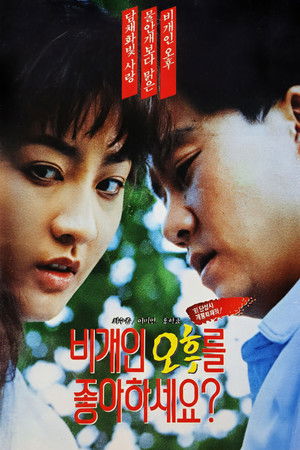
Hae-il grew up hating his father and unable to adjust to family life. As an adult, he is a toughened young man with a troubled outlook on life. Hae-sung, his younger half-brother is a young man with a sweet disposition who tries to understand Hae-il. Hae-sung and Eun-chae fall for each other but when Eun-chae meets Hae-il, the three form an uneasy love triangle. The pain of loving someone you can not be with takes its toll. Hae-il tries very hard to leave the street life and expresses his feelings to Eun-chae. As Hae-sung begins to resent his brothers actions, they are confronted with their father's death. Their dying father's confession throws their lives into further turmoil. Hae-il vows this time to guard his family. Tragedy strikes when Hae-sung dies trying to save Hae-il's life. Hae-il cries for his dead brother's love and becomes determined to start over with Eun-chae.
'Easy A' is emblematic of a world that liked to sarcastically pretend it was progressive but wasn’t actually ready for that change, making it pretty anti-sex.
In less than 30 minutes, Proudfoot guides the viewer through a narrative that touches on American history, mind-health issues, race, and gender politics
We’ve always known that Edgar Wright is a mixologist when it comes to blending sound, light, colour, and texture. This is especially true in the first act of the film. In fact, all of my positive feedback is directed exclusively at the first act of this film.
(Disclaimer: Harmful Language) In celebration of Pride Month, Father's Day, and father figures (and whoever supports you), I revisit Moonlight's brief but spectacular character, Juan. With overarching themes tied to masculinity, I reexamine his intimacy with Little.
In this short film, writer/director Nikita Hattangady focuses on Jai, a starving artist rooted in the latter category. Though unhoused, he works hard.
The Mandolorian has a more nuanced and commentative take on masculinity that refrains from praising the toxic traits associated with the social category, while also showing a more positive and transformative representation of masculine characters.