








Joyfully Chaotic, 'Why Don't You Play in Hell?' is a Must-See
If you enjoy Japanese cinema, absurdly violent action films, gangster flicks, or joyfully strange cinema, 'Why Don’t You Play in Hell?' is a must-see.
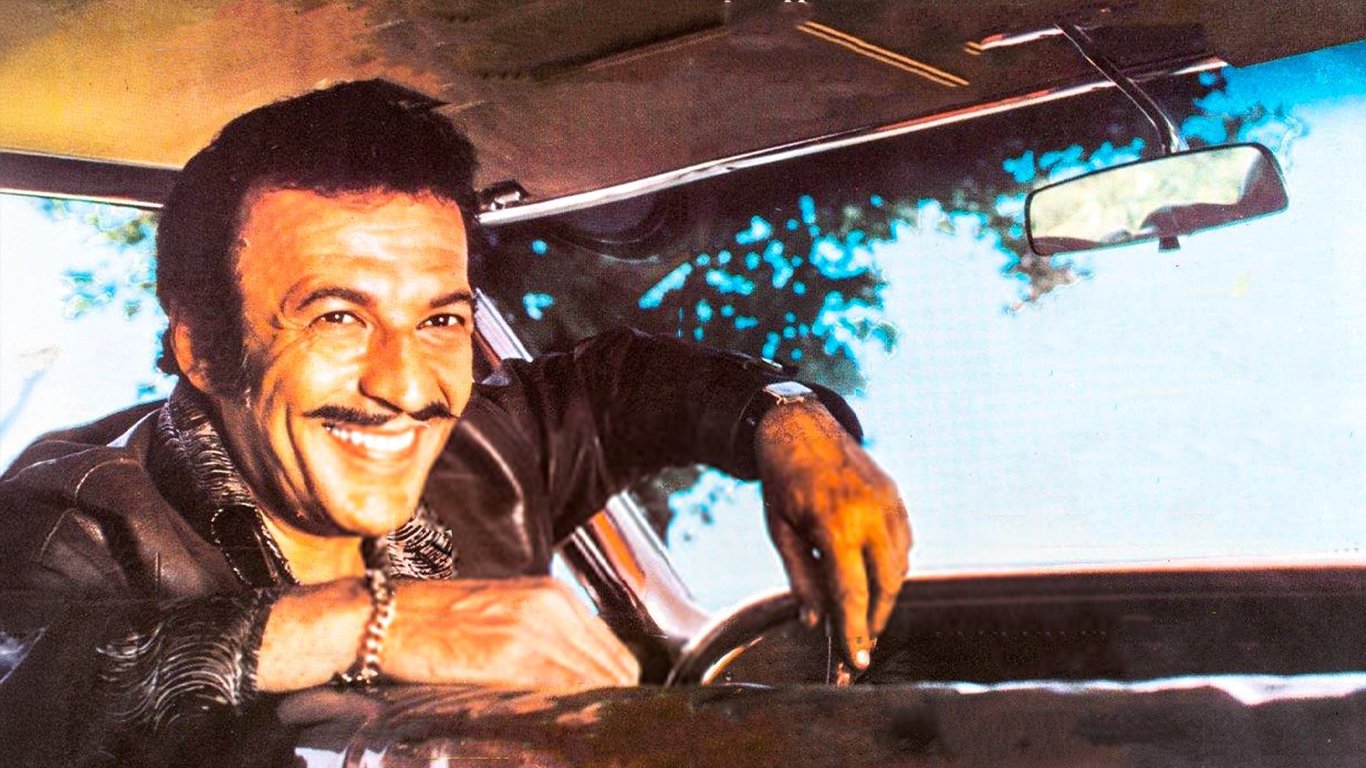
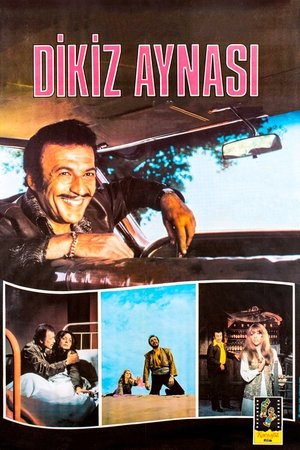


Kazım is a driver. His girlfriend Leyla, who works as a secretary, leaves him one day. The neighbors try to help Kazım fall in love again and get back to life. When Kazım learns that the girl he fell in love with at first sight is disabled, he sells his car to pay for her surgery. Rıfat, an art dealer, refers Kazım, who is now unemployed, to Mine Koşan, a singer, and gets him a job as her driver. Kazım not only helps the disabled girl but also helps Mine Koşan reunite with her boyfriend Fuat. However, Kazım will not find a solution to his own problems.
If you enjoy Japanese cinema, absurdly violent action films, gangster flicks, or joyfully strange cinema, 'Why Don’t You Play in Hell?' is a must-see.
Disney/Pixar may see a bit of a turning point with Pixar’s new Disney+ Sparkshorts short film: OUT.
The tragedy of Macbeth got Oscar nominations for Best Actor, Production design & cinematography. The Tragedy of Macbeth - Oscar film offers an etheric and atmospheric take on the reins cast on one of Shakespeare's most iconic poems.
Him is visually stunning—all concrete cathedrals and bone-rattling impact shots that look like a nightmare highlight reel. Marlon Wayans is magnetic as this legendary quarterback who's basically selling salvation with a smile that never quite reaches his eyes. But the story keeps running in circles: more tests, more cryptic pep talks, more ritualistic drills. The sports-as-religion metaphor beats you over the head when subtlety would've been more effective. The middle drags, and that finale chooses spectacle over substance. It's undeniably stylish, but left me cold. Also worth noting: despite the Monkeypaw connection, this isn't actually a Jordan Peele film—he didn't write or direct.
Why is 'The Green Knight' so white? People of color are so removed from the origins of 13th century art. We’re looking toward the future, and part of that should be updating aspects of our stories to mirror those evolutions.
The Olivia Wilde renaissance is upon us.