
"The World to Come": A Stunning Period Romance
Mona Fastvold’s nineteenth century lesbian romance is emotionally charged, restrained, and poetic without feeling forced.



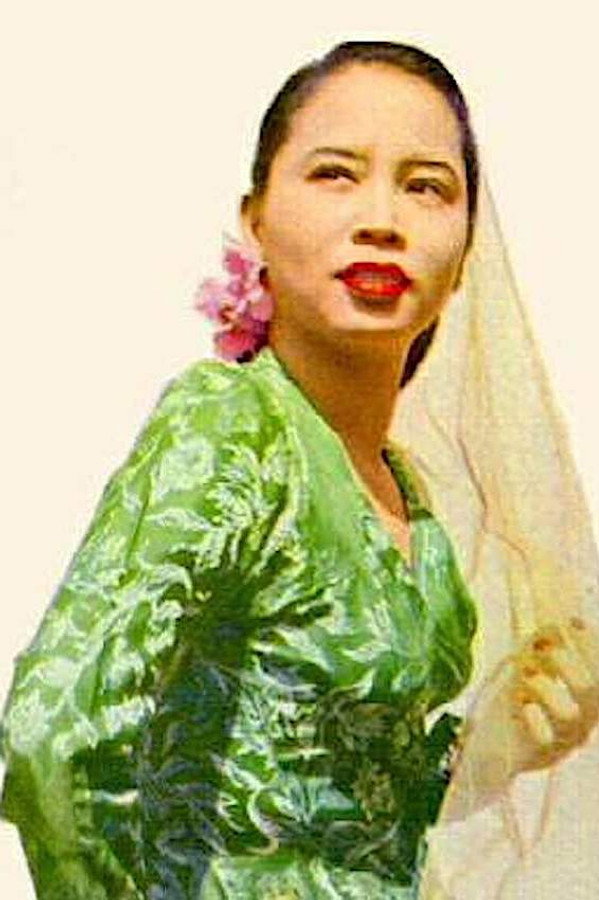
Manis and her fisherman father receive a guest named Suleiman at their humble kampung house. He is well-liked by them both and becomes a frequent visitor who helps out with the daily chores. Unbeknownst to Manis, the young man is in fact a prince-in-disguise. So a romance between a royal and a commoner blossoms, as the couple exchange teasing pantuns at the next opportunity - while gathering wood, or while tidying up the rumah ibu. All is bliss when Manis agrees to marry Suleiman in secret even after finding out his true identity. Separation of the loving pair beckons when the prince receives news from the palace and returns to his ailing father, who at his death bed agrees to a royal intermarriage between his son and a princess from a neighbouring monarchy. A family reconciliation and cursed tragedy ensue.
Mona Fastvold’s nineteenth century lesbian romance is emotionally charged, restrained, and poetic without feeling forced.
It's sexy, regardless of what else is going on.
It’s been five months since Wayward premiered on Netflix and it still has some of us in a choke-hold.
Documented human suffering is never easy to view or read about and is understandably triggering for many people, but it can be educational, and education is a key to change. An overwhelming amount queer people worldwide (and in my own country) have it far worse than I could imagine, and documentaries such as Welcome to Chechnya bring issues to light that certain groups of people would never see.
Halle's belting, crystal clear notes, and warm tone infused something into this blockbuster that I thoroughly enjoy.