STRAW 2025: A Mother’s Silence Was Louder Than a Siren
A haunting look at grief, survival, and a mother’s quiet collapse in a world that never gave her room to fall.

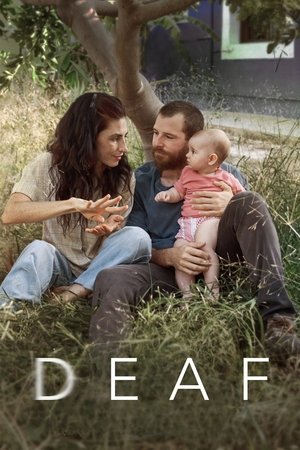


In Deaf, the Spanish director Eva Libertad explores pregnancy and motherhood from the perspective of a deaf woman. Her movie examines how the world imposes the notion of disability on her main character while she actually does not feel disabled herself. Alongside the French movie Read My Lips and the Oscar-winning Children of a Lesser God, Deaf has immediately become one of my favorite movies about the deaf community.
The movie starts with Angela, played wonderfully by the actress Miriam Garlo, who is deaf in real life, and her hearing partner, Hector(Álvaro Cervantes), preparing to welcome their baby into the world. At the same time, it shows the reactions of their family and loved ones. Knowing how difficult it was to raise a deaf child, Angela’s parents are initially hesitant. Their actions betray a silent worry that their daughter’s hearing loss will hinder her abilities as a mother.
Angela’s deaf friends, who have had children of their own, are genuinely happy for her. Among them is a gay couple with a hearing boy. Angela pays close attention to him throughout the film, as doctors told her there is a 50/50 chance her own child will be able to hear. Her close observation highlights a central theme: just as the hearing world treats deaf people as alien and out of reach, the deaf community can view the hearing world with the same sense of detachment and wonder.
Eva Libertad’s movie points out how unprepared the rest of the world is for deaf people. The doctors Angela visits in her prenatal care, the hospital where she gives birth, and the preschool she will eventually send her daughter to are all unprepared to have a direct line of communication with her. She must always be accompanied by someone who knows sign language, which amplifies her sense of isolation and otherness.

Angela's deafness raises concerns during her pregnancy regarding connecting with her daughter. Post-delivery, partner Héctor supports her as she learns to mother in a society lacking adequate accommodations for the hearing-impaired.
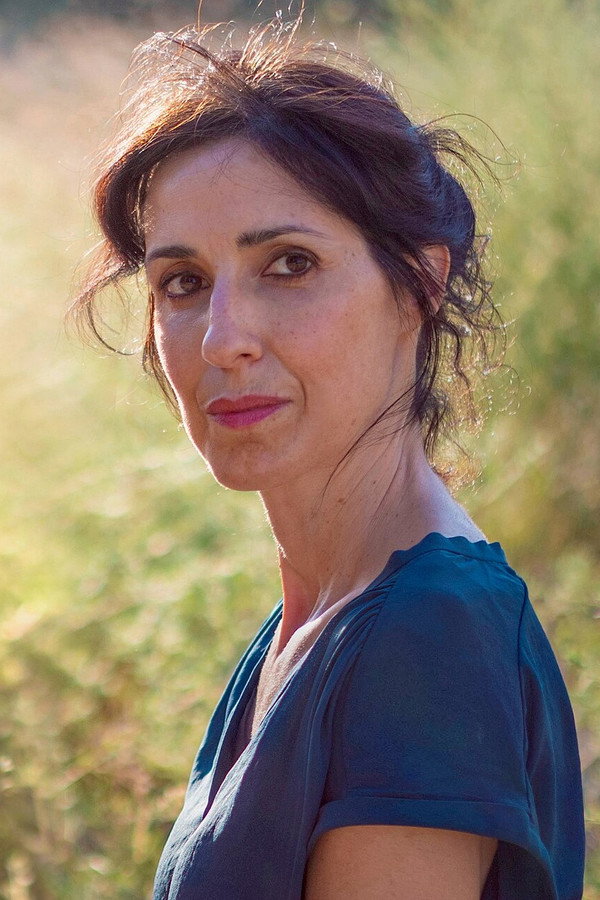
Eva Libertad
Director


Miriam Garlo
Ángela
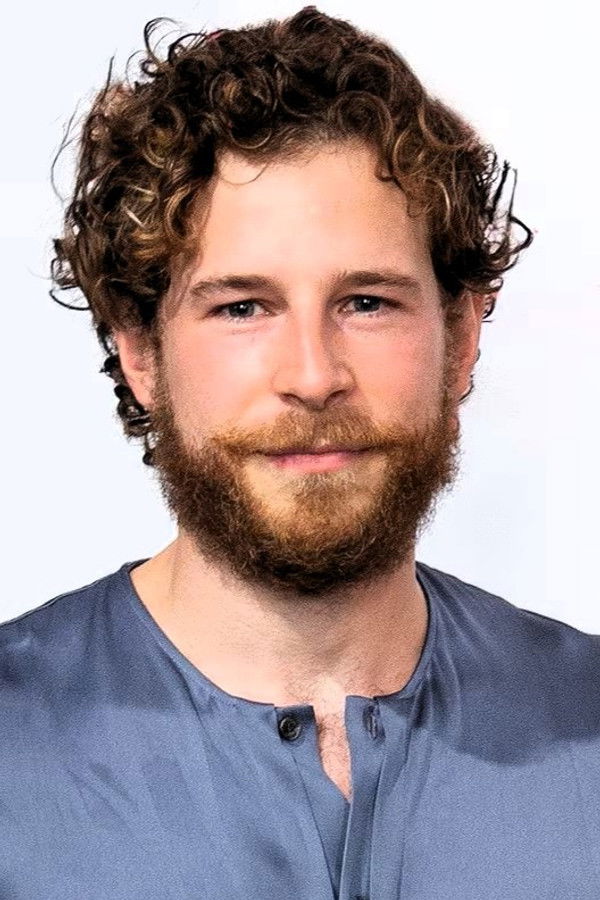
Álvaro Cervantes
Héctor

Elena Irureta
Elvira
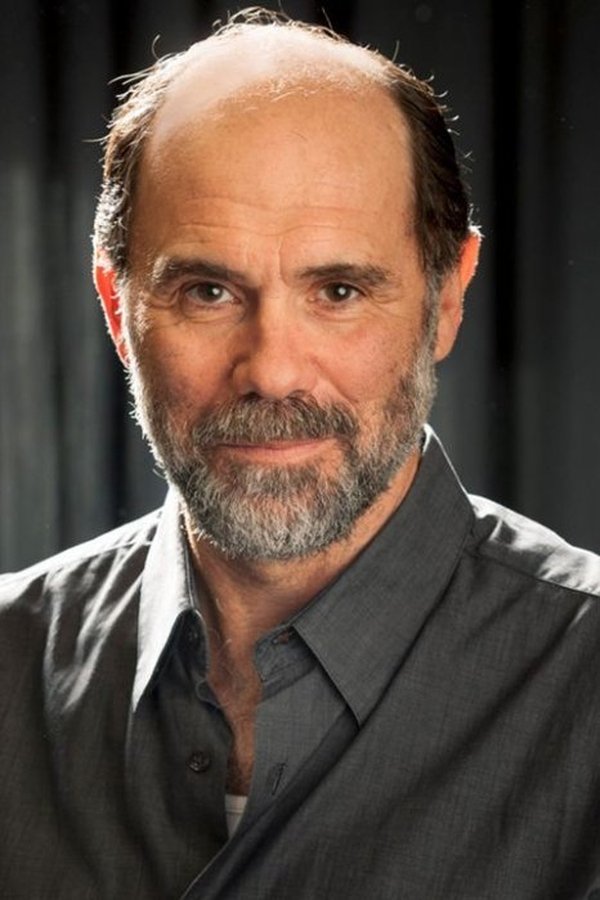
Joaquín Notario
Fede
Daniela Saura Pérez
Ona (1 year)
Elaia Sánchez
Ona (1 year)
Jade Molina Uroz
Ona (3 months)
Valentina Arrona Fernández
Ona (3 months)
Martina Blaya García
Ona (2 months)
María García Fernández
Ona (2 months)
Felipe Aroca Serrano
Ona (1 month)
A haunting look at grief, survival, and a mother’s quiet collapse in a world that never gave her room to fall.
Emma Stone (Estella and Cruella) and Emma Thompson (the Baroness) did not come to play around in Cruella. They embodied the perfect balance of sinister and sincere. Estella went through a great hero's journey, and what a journey it was!
Hulu's 'Crush' leaves you giddy, light, hopeful, and, yes, all crushed out on the possibility of what? You got it, your next crush.
Its predictability shouldn’t distract from the enjoyment that the pure cinematic imagination behind the camera elicits. It is a movie of crises both moral and mortal, oozing with CGI, and thoroughly enjoyable.
If I had truly wished to witness "Guardians of the Galaxy", I would have stayed home to do so. Instead, I went to the IMAX and took in this newest incarnation of one of the most recognized and adapted superheroes in the DC Universe. **Sigh** Let me be clear here. I am NOT saying this is an AWFUL film.
In the shadow of towering film production companies lived dozens of grindhouses, genres, and low-budget films deemed too “unclean” for the modern film audience.