




Dead Poets Society Steals a Queer Story
Dead Poets Society relies on patriarchal tropes such as overbearing fathers, contrived brotherhood, and faux-individuality in order to portray its straight white male characters as oppressed.
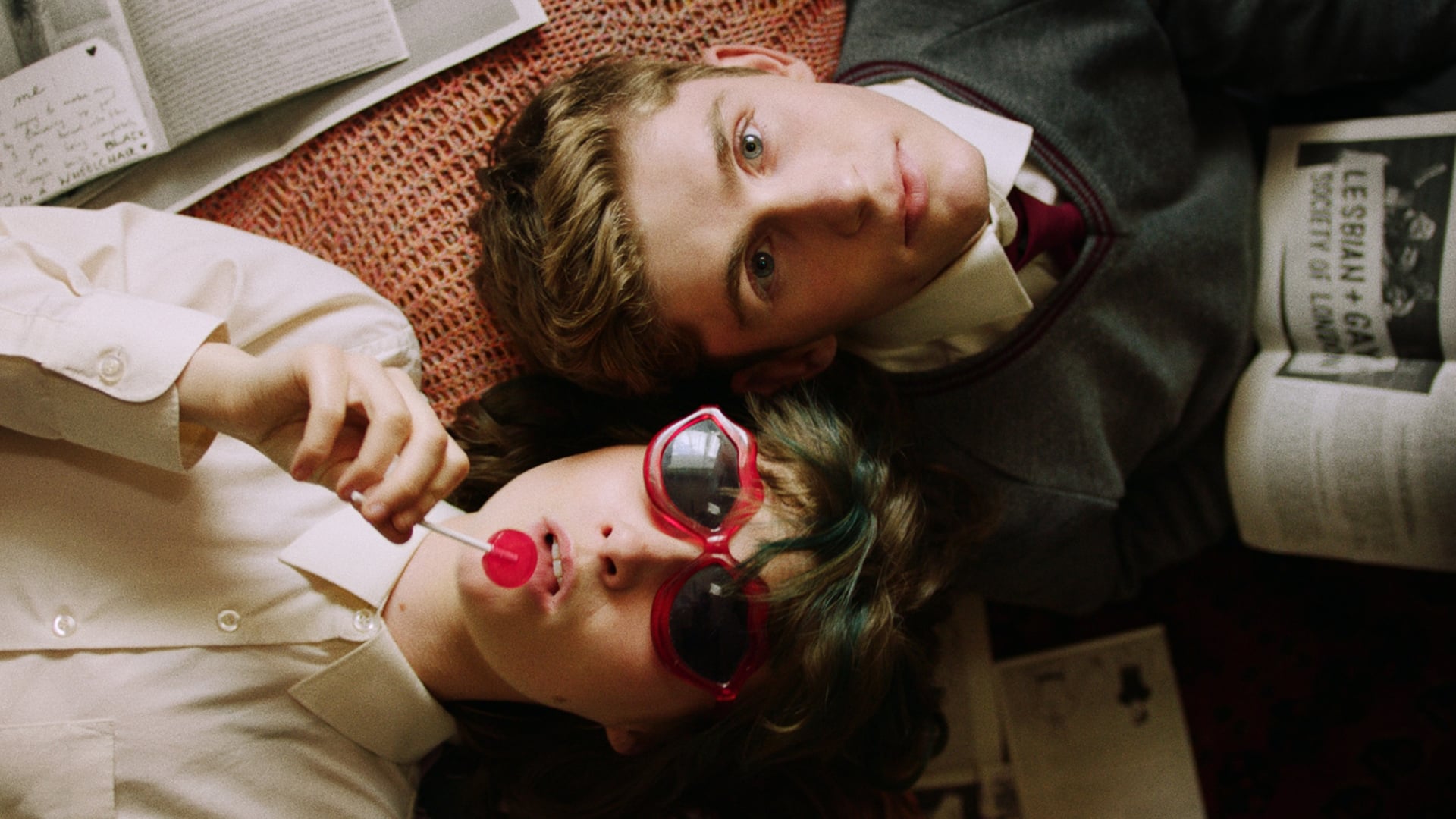
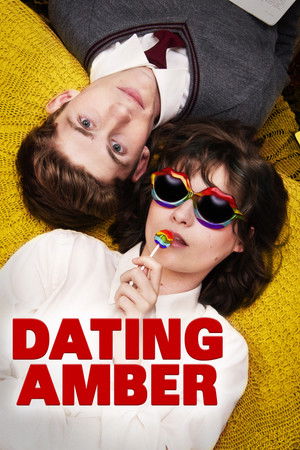



Eddie and Amber decide to stage a relationship in order to stop everyone speculating about their sexuality. Eddie is keen to follow his dad into the military, while Amber dreams of moving to the liberal hub of London. The plan seems solid, but as their arrangement begins to fall apart, Eddie’s denial gets deeper as Amber realizes that a perilous future awaits her best friend unless she intervenes.
Dead Poets Society relies on patriarchal tropes such as overbearing fathers, contrived brotherhood, and faux-individuality in order to portray its straight white male characters as oppressed.
Viola Davis is an EGOT pioneer and trailblazer advocating for diversity and opportunity in Hollywood. See the legendary actresses' rise to critical acclaim.
'The Worst Person In The World' follows a part of life I don't see often portrayed on-screen: extended adolescence.
There’s enough evidence to insinuate that What We Do in the Shadows is intentionally queer-coded.
Growing up without a dad, I got a lot of my fatherly advice from the prototypes I saw on the silver screen. It’s these characters and films that gave me a glimpse into a dynamic I had never known but also made me realize that I was missing out. Here are my top 10 paternal films.