


“The 100”: Highlighting Humanity’s Successes and Failures in Overcoming Hateful Rhetoric
The 100 imagines a future where humanity's overcome some of its most pervasive forms of prejudice—only to create new ones.

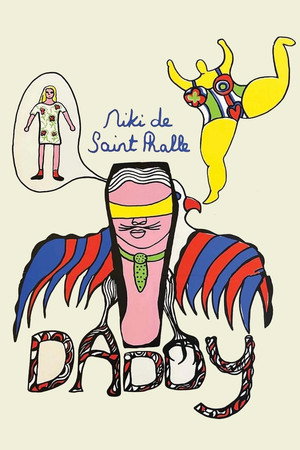


Daddy, filmed in cooperation with movie director Peter Whitehead, discovers the connection between a father and little girl. Like the majority of Niki De Saint Phalle’s films, the flick combines autobiography with imagination, mixing erotic scenes of incest with a reverse of energy as the female character humors the daddy figure. Saint Phalle narrates the film, offering an almost psycho-analytical explanation of its content and explains the different inexplicable.
The 100 imagines a future where humanity's overcome some of its most pervasive forms of prejudice—only to create new ones.
In Stowaway, director Joe Penna narrates the story of a starship crew (Anna Kendrick as Zoe Levenson; Toni Collette as Marina Barnett; and Daniel Dae Kim as David Kim) struggling with serious technical problems on a two-year mission to Mars. During the trip, they discover aboard the presence of Michael (Shamier Anderson), a stowaway who jeopardizes everyone’s life on board.
At least we got the original cast back, right? Not even that saves it. None of them could bring a sliver of hope to this special. Rather, they bring dread as we witness the light leaving from their eyes.
A Girl Walks Home Alone At Night, though its feminism may be unintentional, cannot exist without its focus on women reclaiming power. The movie is feminist by definition, even if Amirpour didn’t write it with that in mind. A Girl Walks Home Alone At Night is mesmerizing, poetic, and stunning, both for its portrayal of feminist ideas and its powerful story that is both horrific and subtly romantic at once.
The message to take away from 'Causeway' is that toxic masculinity can manifest in anyone, no matter what their gender identity is.
“Unsung” does not begin to describe the obscurity Bayard Rustin endured in the shadows of the Civil Rights Movement