


Light Language in Casablanca
What makes the lighting in Casablanca even more impressive is how it reflects the emotional states of the characters without needing explicit dialogue.

Blues music began by Black folks in the Mississippi Delta. And, depending on who you ask, it was either born from jazz, slavery, or while waiting on a train. It was shaped by the weight of the fields and the shadow of Jim Crow. In its sound went work songs, spirituals, hollers, and the silent grief. In the world of the blues, music was a sanctuary and something to lean on when the law, land, and times delivered less than little comfort.
From this environment emerged the legend of the "Crossroads." Most of us know the tale famously tied to Robert Johnson about talent paid for with a heavy price. Whether these narratives are taken literally or not, the common theme they express is the reality that created the blues: Nothing comes without sacrifice. When films go to "crossroads," they try to tell the history of the blues through the ideas and experiences of the people who created it.
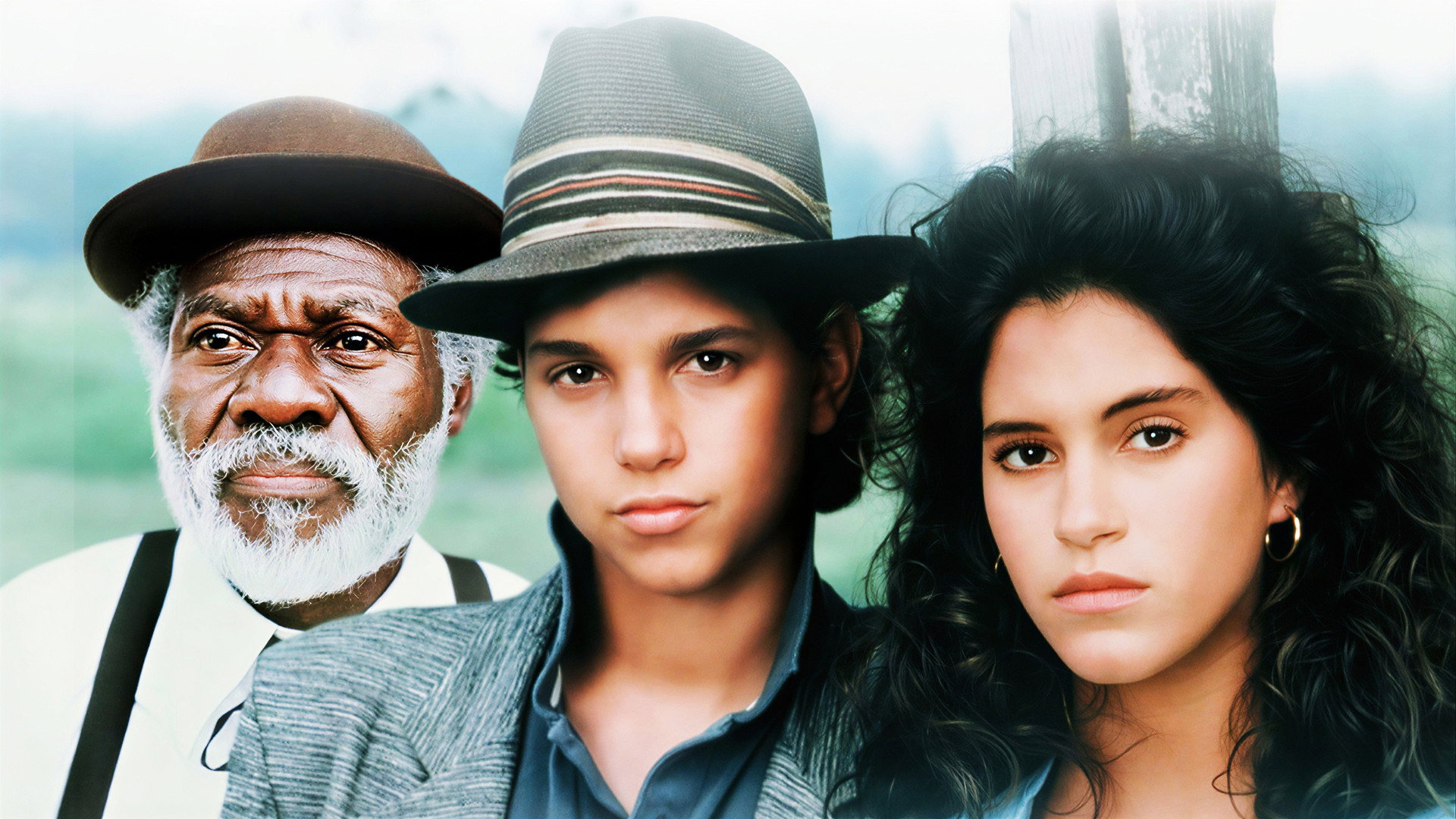
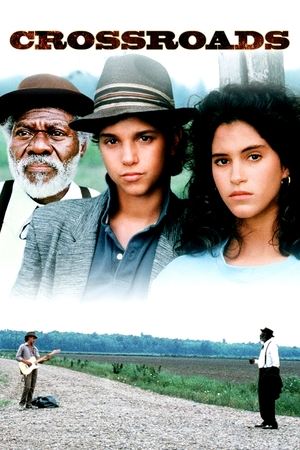
Sinners takes that history and grounds its story in the lived experiences, fears, and hopes of the Black communities that shaped the Delta region. The 1986 film Crossroads, by stark contrast, tries to draw from those same traditions, but it ultimately treats its historic culture simply as folklore.
The blues in Crossroads is just a setting for another story that focuses on the “Karate Kid” Ralph Macchio at the height of his career. And it strays far from the culture that created the music. The two together reveal something about how film can either honor a legacy with clarity or turn it into something that’s easier, safer, and a lot less closely associated with the people responsible for bringing the blues into the world.

A wanna-be blues guitar virtuoso seeks a long-lost song by legendary musician, Robert Johnson.
What makes the lighting in Casablanca even more impressive is how it reflects the emotional states of the characters without needing explicit dialogue.
The venn diagram of pop feminism and white-centered feminism is a circle. Acknowledging that is not a crime nor a diminishing of 'Barbie', Director Gerwig, or feminism in general.
There is no such thing as watching too many movies. Since we're still quarantined, I wanted to recommend another 19 movies for people to check out across Netflix, HBO Max, and more.
Alongside A Drowning Man, I Signed The Petition, 3 Logical Exits, and A World Not Ours, A Man Returned continues to paint a realistic portrait of the Refugee Crisis that eschews the Western gaze and stereotype. These are real portraits painted by a director with lived experience, cultural connection and an amazing eye for visuals.
I can say without question, that this is the first movie I’ve ever seen where art imitates life so much that I could 100% identify with it on a personal level. The predominately Black cast of characters are people with hopes, dreams, fears, and ambitions.
On their new show, The Kardashians, the famous family continues to use their personal lives as advertisements for thier billion-dollar businesses.