Once Upon a Time in (White) Hollywood
Tarantino's alternative history of the 1960's uncritically repeats the era's sexist and racist stereotypes.
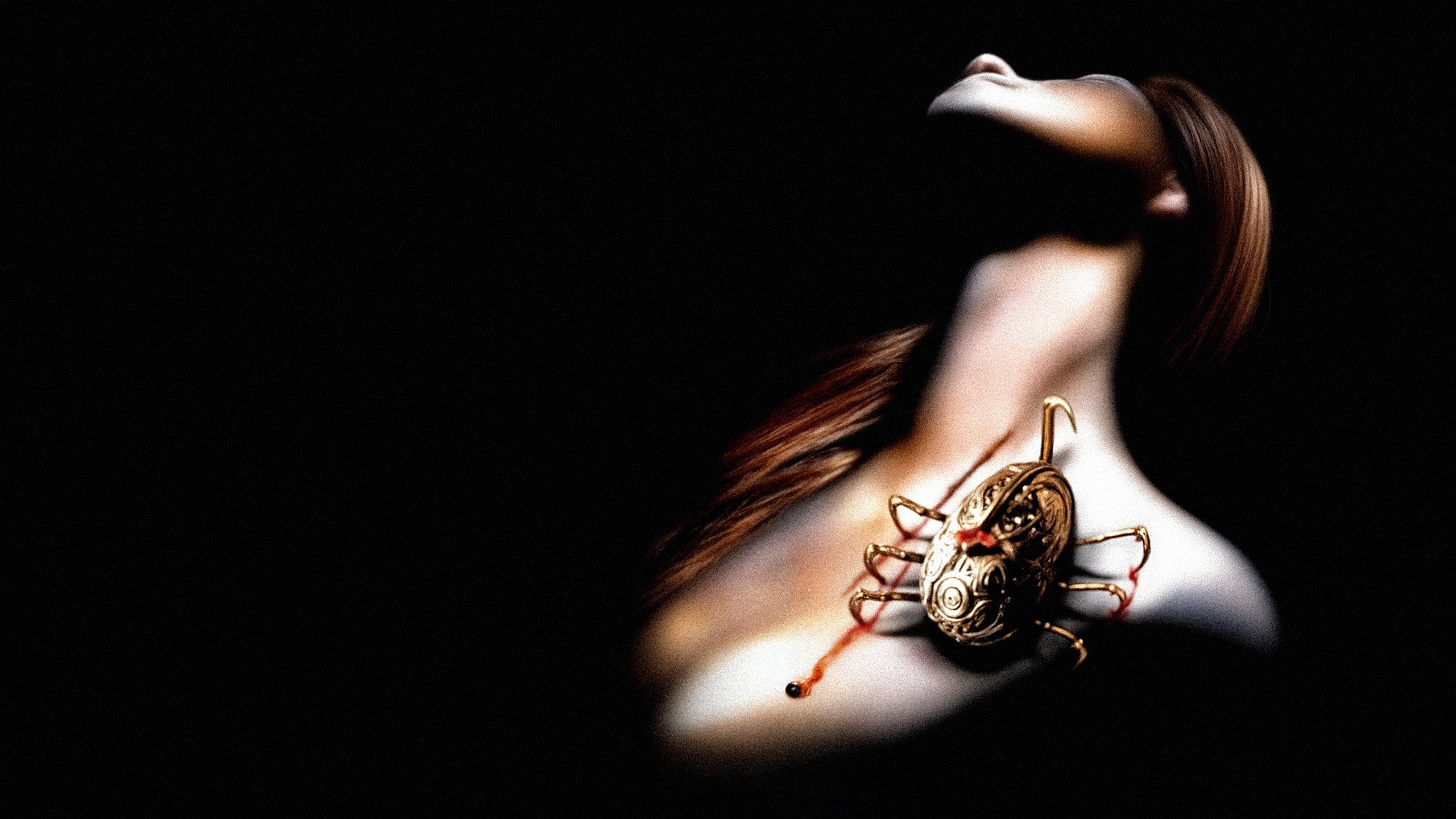



Faced with his own mortality, an ingenious alchemist tried to perfect an invention that would provide him with the key to eternal life. It was called the Cronos device. When he died more than 400 years later, he took the secrets of this remarkable device to the grave with him. Now, an elderly antiques dealer has found the hellish machine hidden in a statue and learns about its incredible powers. The more he uses the device, the younger he becomes...but nothing comes without a price. Life after death is just the beginning as this nerve-shattering thriller unfolds and the fountain of youth turns bloody.

Guillermo del Toro
Director


Federico Luppi
Jesus Gris

Ron Perlman
Angel de la Guardia

Claudio Brook
De la Guardia

Margarita Isabel
Mercedes
Tamara Shanath
Aurora

Mario Iván Martínez
Alchemist

Daniel Giménez Cacho
Tito

Farnesio de Bernal
Manuelito

Juan Carlos Colombo
Funeral Director

Jorge Martínez de Hoyos
Narrator (voice)
Javier Álvarez
Bleeding Man
Tarantino's alternative history of the 1960's uncritically repeats the era's sexist and racist stereotypes.
While Mortals Sleep is enthralling quick-fix horror that offers thrills and excitement with such a short runtime and left me truly impressed with all levels of filmmaking.
The Night Doctor achieves telling an original story in which the pace accelerates progressively while supported by dark aesthetics.
The newest in a long line of Cinderella adaptations, Amazon’s Cinderella (2021) prizes girlbossification above the very story it tries to adapt.
Cord Jefferson's hilarious and thought-provoking film continues a long-standing cinematic tradition, expanding the conversation around the impact of systemic racism in today's media.
A Girl Walks Home Alone At Night, though its feminism may be unintentional, cannot exist without its focus on women reclaiming power. The movie is feminist by definition, even if Amirpour didn’t write it with that in mind. A Girl Walks Home Alone At Night is mesmerizing, poetic, and stunning, both for its portrayal of feminist ideas and its powerful story that is both horrific and subtly romantic at once.