

Rallies and Musical Numbers: Hairspray Unpacks Racism in The 1960s
The multifaceted musical represents America in the 1960s and the battle against bigotry as an ensemble cast portrays how to fight for the limelight.
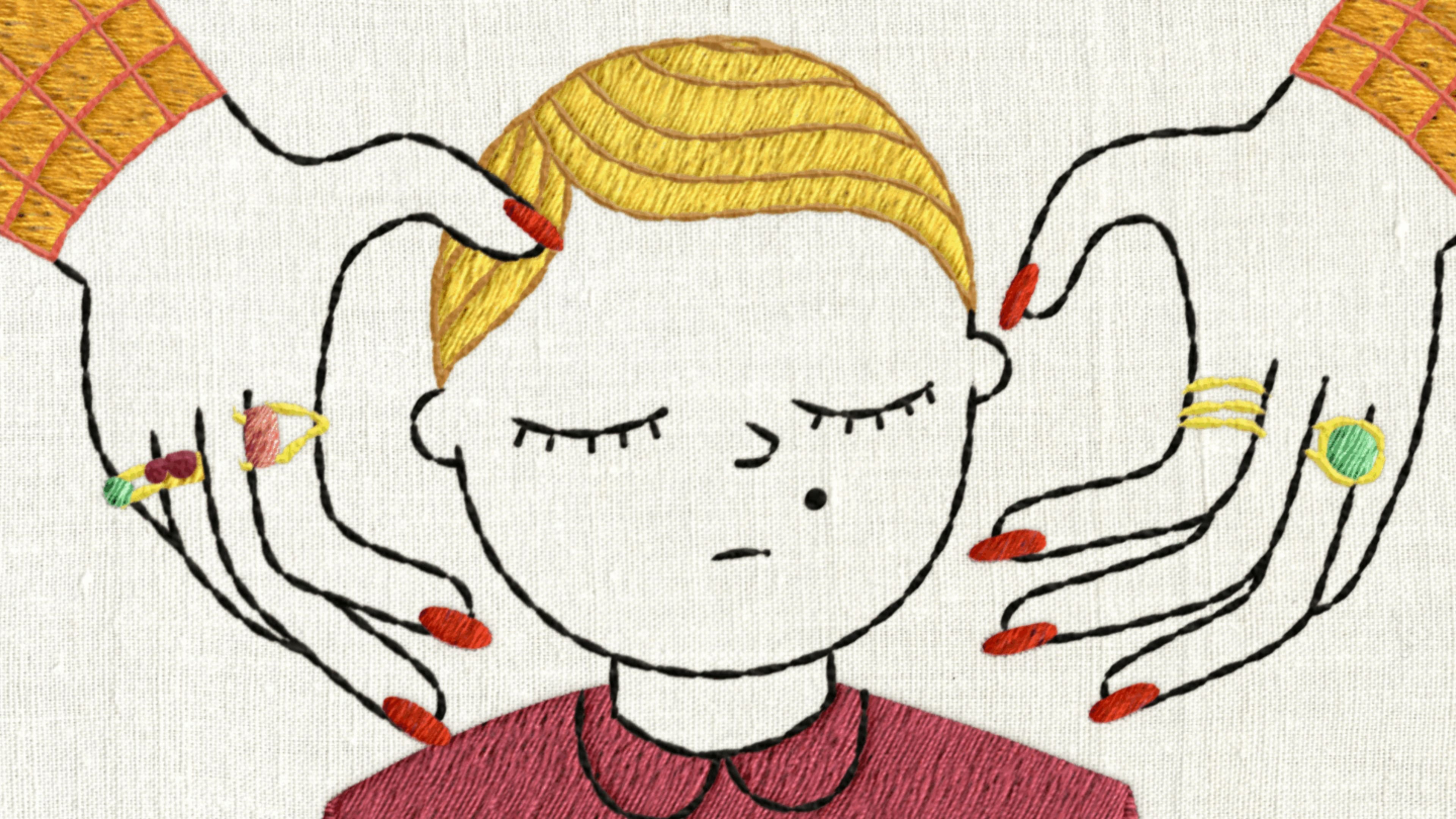
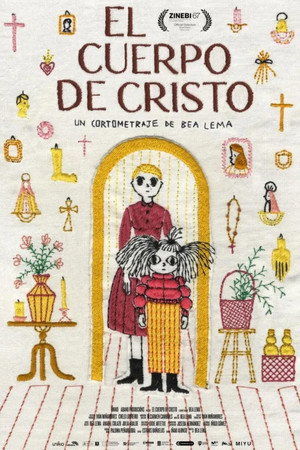


Adela, a woman with an undiagnosed mental illness, seeks relief through folk rituals. Misunderstood by her family and a medical system that offers her only medication, she lives convinced that someone, or something, is watching her. At times, she feels its presence: it touches her, hurts her, and leaves her bedridden for days. Only religion seems to offer her a sympathetic ear, leading her to consult a healer and confess the disturbing origin of her suffering.
The multifaceted musical represents America in the 1960s and the battle against bigotry as an ensemble cast portrays how to fight for the limelight.
An anti-war film denouncing the valorization of senseless violence, 'All Quiet on the Western Front' is (unfortunately) all too relevant in 2022.
'Alice' is a genre trifecta: one part revenge drama, one part historical account, one part throwback to Blaxploitation—kinda 'Django' meets 'Roots' meets 'Foxy Brown.'
In the film adaptation, director Jon M. Chu turns each musical number into a massive show stopper, with grand set pieces and a wealth of diverse dancers. Yet, in this attempt to show reverence for the people of the Washington Heights barrio, Chu, or maybe more specifically those in charge of casting, left out a crucial part of the community, Afro-Latinos.
In My Octopus Teacher, documentary filmmaker Craig Foster models healthy masculinity by showing us a trusting, gentle, and emotionally fulfilling bond with an octopus.
How do zombie films shine new light in the post-Covid and post-Brexit era?